Preparing a Highlander’s pre-adoption veterinary questions
Prepare Highlander adoption questions that separate appearance, individual veterinary findings and practical care needs without guessing at inherited health.
Ask about the individual before interpreting the look
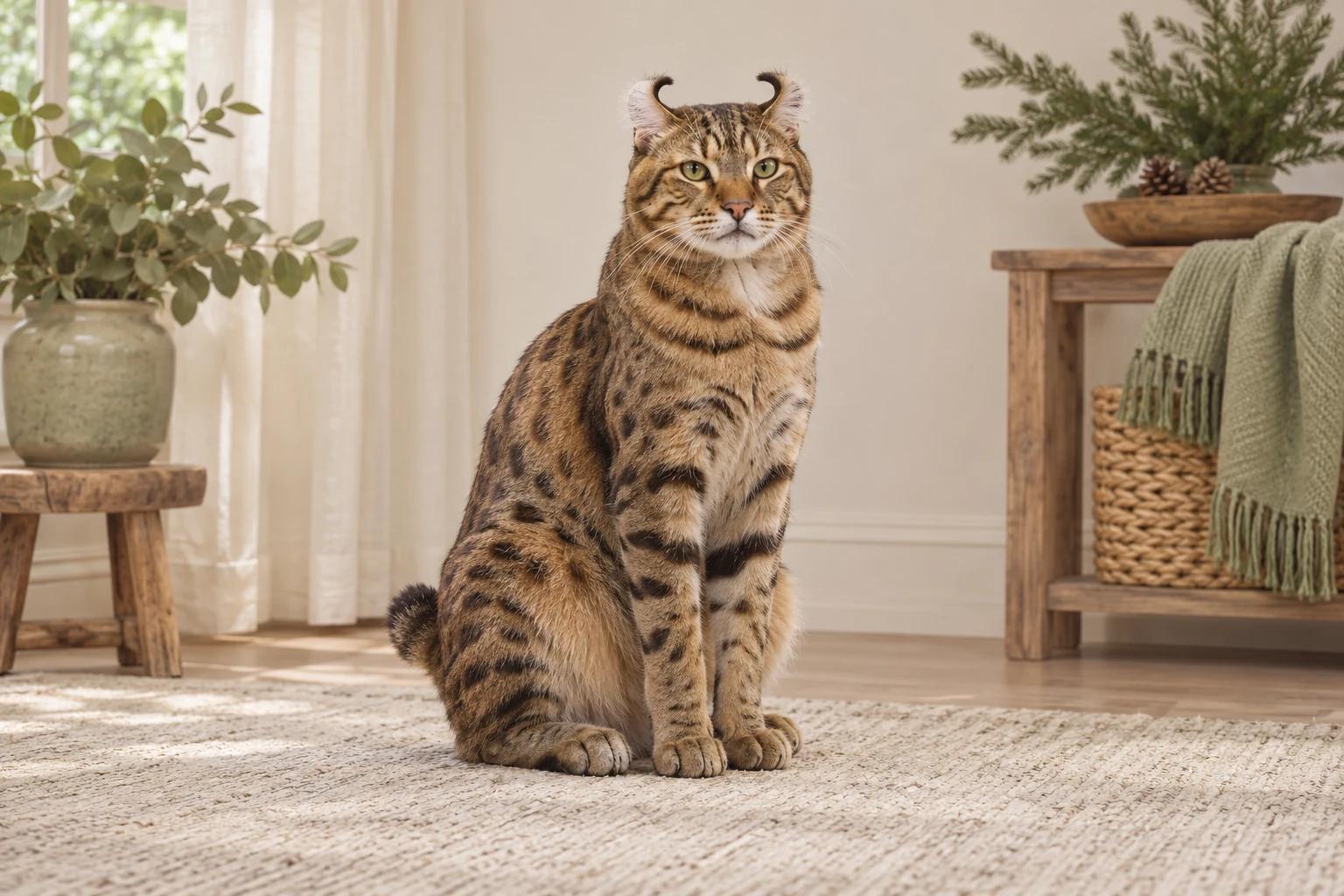
TICA describes the Highlander’s loosely curled ears and naturally short tail. Those features can prompt useful care questions, but they do not establish health status or tell an owner what handling is appropriate. Begin with the individual cat’s records and the observations of the people currently caring for it.
Ask what veterinary examinations have taken place, which reports are available and whether there are current care instructions. Keep the answers separate from general claims about the breed. An attractive photograph or a description of a playful temperament cannot demonstrate that an examination was normal or explain the meaning of a clinical finding.
Take the documents to a care conversation
VCA’s first-visit guidance recommends bringing available medical, vaccination and adoption records. Before committing to care you do not yet understand, arrange an appropriate conversation with a veterinary professional about the actual information. Ask what can be interpreted from the documents and what requires examination of the cat.
Prepare a few concrete questions rather than a list of diseases guessed from appearance. Does the cat need any ongoing care? Are there handling considerations? What follow-up has already been advised? If a record is missing or a statement is unclear, write that down explicitly. Do not treat the absence of a reported concern as a certificate of health.
Translate advice into everyday responsibilities
Ask what any existing care requirement would mean on a normal weekday. Who would perform it, what demonstration would you need and what happens if the usual caregiver is away? A vague promise that the household can manage anything is less useful than understanding the tasks that have actually been recommended for this individual Highlander.
If ears or tail handling raises questions, request a professional demonstration rather than trying to test flexibility yourself. Do not copy instructions intended for another curled-ear or short-tailed breed. Similar-looking features do not establish that the same technique, risk or follow-up applies. The cat’s own findings and comfort should guide the discussion.
Record what remains uncertain
End with two lists: information confirmed by an identified source and questions still open. Ask who can answer each remaining question and what the next step is. This is not a breed health-screening protocol, a purchase recommendation or a guarantee that every future issue can be predicted before adoption.
Use the conversation to make a realistic care decision. If a required task or unresolved question materially affects whether you can provide care, address it before relying on assumptions. Your Highlander preparation is useful when it connects records to clear responsibilities and appropriate veterinary assessment, rather than turning unusual features into either reassurance or a diagnosis.
Sources behind this article
Article source checked: October 22, 2026. Source checked 2026-10-22
Keep reading

What to record before an American Curl’s first vet visit
Read article →