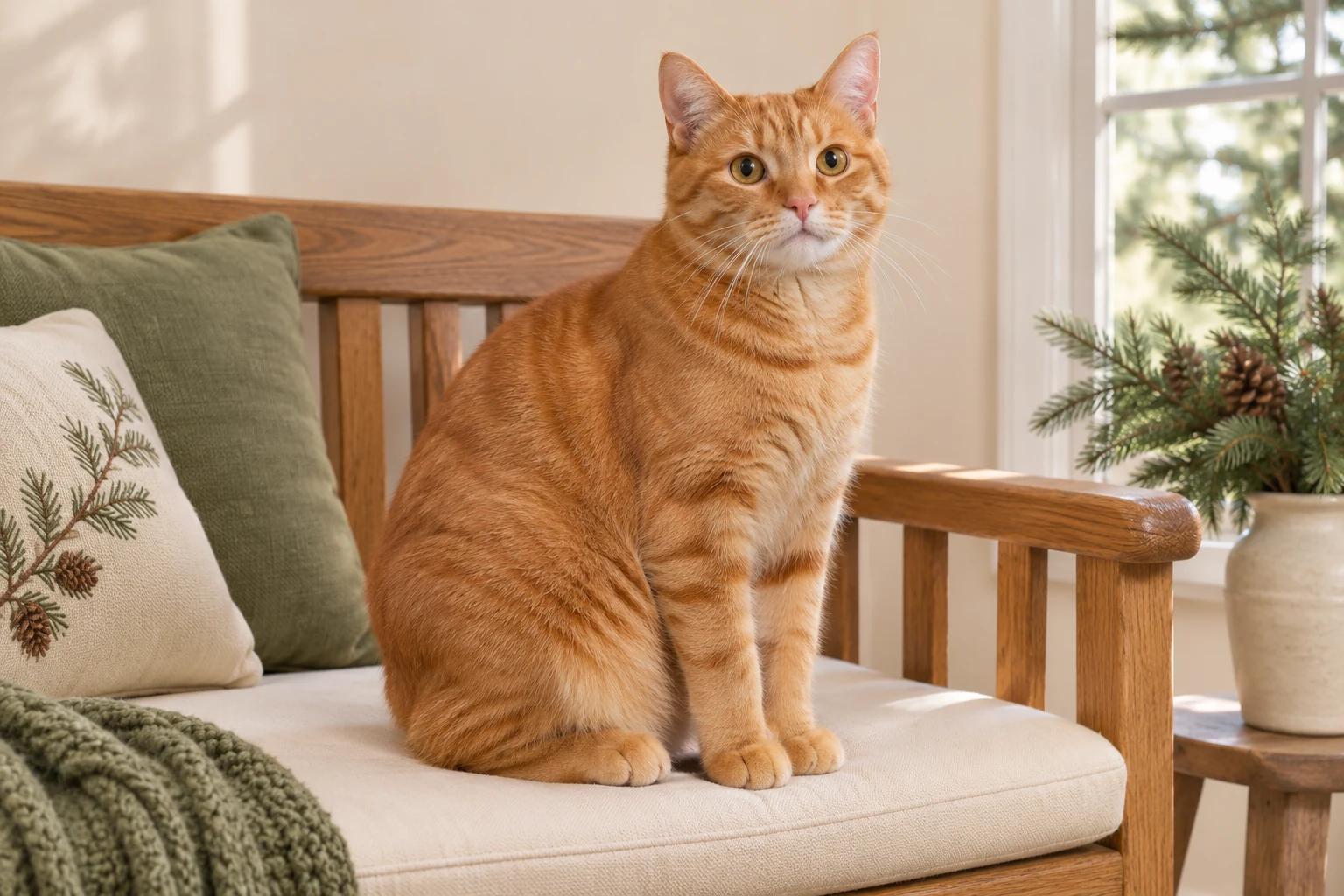
What to record before an American Curl’s first vet visit
Organise your American Curl’s records, daily observations and ear-care questions before a first veterinary appointment, without guessing at a diagnosis.

Build a small appointment folder
An American Curl’s distinctive ears are an obvious conversation starter, but the first veterinary visit needs more than a breed description. CFA describes the curled ear shape and cautions that the cartilage needs careful handling. Make ear-care questions part of the appointment instead of trying to demonstrate a cleaning technique you have found online.
VCA’s first-visit guidance asks owners to bring available medical, vaccination and adoption records. Gather these in one folder, keeping the original dates and the organisation that supplied each document. If something is missing, label it unknown. A neatly filled gap based on memory is less useful than an honest question the practice can help resolve.
Describe ordinary days with concrete examples
Prepare a short account of what your cat currently eats and how care is organised. VCA notes that the vet will ask about diet, habits and activities. Write down the actual food name and who feeds the cat rather than calling the diet normal. Bring existing treatment instructions and ask the practice how it wants medication information supplied.
Your notes can use three columns: what you have noticed, when you noticed it and what you want to ask. For example, record that the cat stopped a usual game on Tuesday rather than writing that it has become lazy. If you have only just adopted the cat, distinguish observations from the previous carer’s account. Neither needs to become a diagnosis in your folder.
Make ear care a demonstration request
For the American Curl, a useful question is: can you show me what routine ear handling is appropriate for this individual? Do not bend the ears into a different position to inspect them or test their flexibility. Ask the vet whether cleaning is needed at all and, if so, to demonstrate the method and specify suitable equipment.
Keep this request separate from any concern you have noticed. If there is a current problem, tell the practice when booking so it can advise on timing. Do not wait for a routine appointment just to complete your notes. The breed’s ear appearance alone cannot establish what is healthy or explain a change in your particular cat.
Leave with an agreed next step
FelineVMA’s visit guidance recommends contacting the practice in advance if transport is stressful and leaving handling in the examination room to the veterinary team’s direction. Add any carrier difficulty to your booking notes. Ask about preparation instructions directly; do not change feeding or give a calming product based on a generic checklist.
At the end, write down the next action, who will do it and when the practice wants to hear from you again. Keep the visit summary with the source records so another household member can follow the same plan. Your preparation has succeeded when the team understands this American Curl’s history and you understand the care instructions, not when every box on a home-made form is filled.
Sources behind this article
- CFA: American Curl ↗
- VCA West Los Angeles: Your first visit ↗
- FelineVMA: Your role in veterinary visits ↗
Article source checked: October 22, 2026. Source checked 2026-10-22
Keep reading
Preparing a Highlander’s pre-adoption veterinary questions
Read article →