Hamiltonstovare Size: Measuring Space and Equipment
Understand Hamiltonstovare size through adult measurements, body proportions, equipment fit, and realistic home and travel planning.
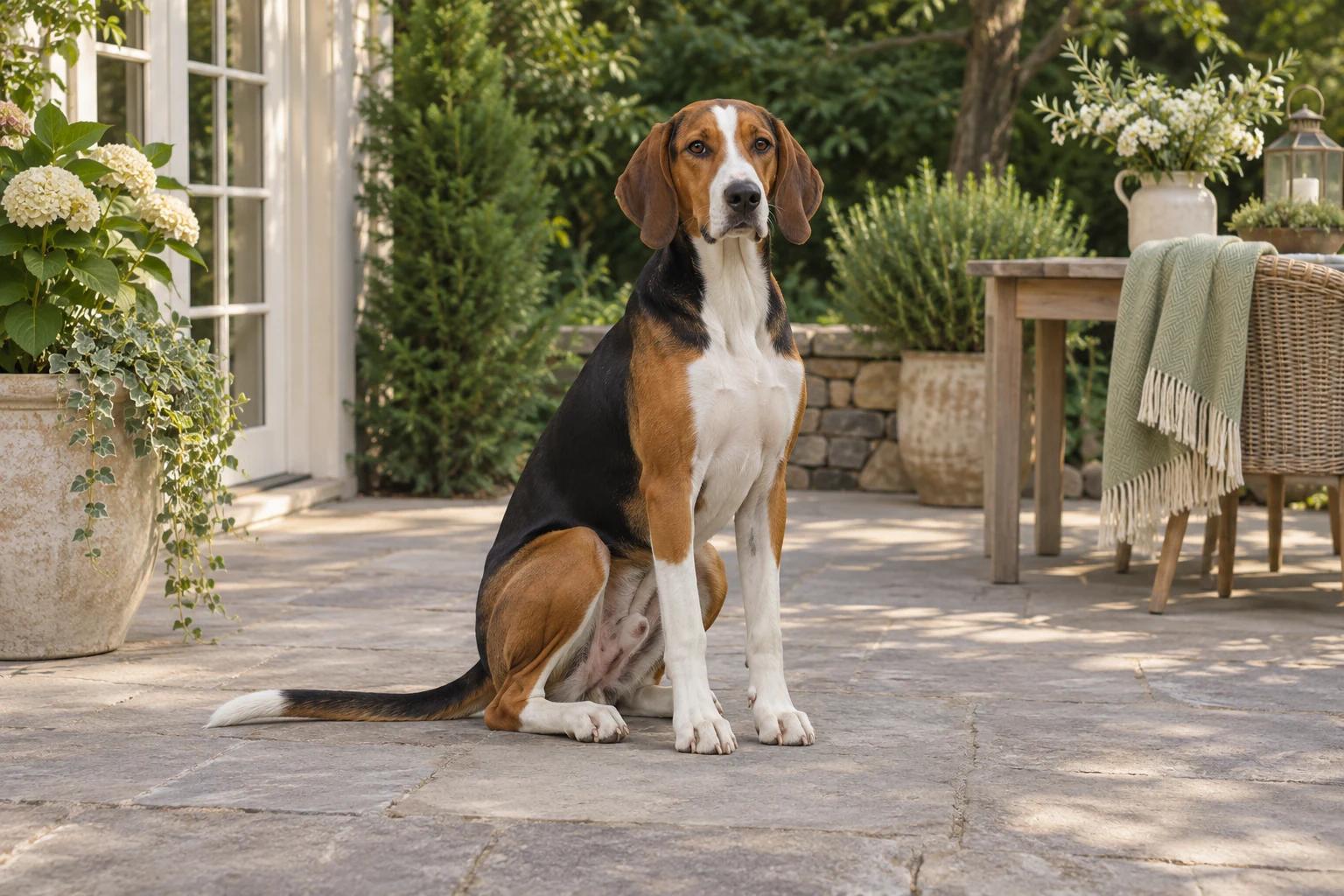
Hamiltonstovare size matters most when you translate it into an ordinary home: the sleeping area, the car, the entrance, and the person holding the lead. A breed range is useful background, but it cannot select a harness or tell you whether a particular dog can turn comfortably in your vehicle. Measure the dog and the space separately, then put those measurements together.
The Hamiltonstovare profile provides the site's adult reference. This guide focuses on using size information rather than treating a number as a prediction for every puppy.
Hamiltonstovare size is more than shoulder height
The Swedish Kennel Club describes a rectangular, muscular outline. Its preferred shoulder heights are 57 centimeters for males and 53 centimeters for females. The UKC standard also describes a dog longer than tall. These proportions explain why a standing-height measurement alone is insufficient for choosing enclosed equipment.
Preferred heights in a breed standard are reference ideals, not a promise about your dog's final dimensions. They also are not purchasing instructions. Two adults of similar shoulder height may need different harness adjustments, and a bed sized by an attractive breed photograph may leave little room for stretching.
When searching for Hamiltonstovare height, distinguish the shoulder measurement from the top of the head. A product that must accommodate the dog standing naturally needs its manufacturer's own measurement method. Do not substitute one measurement for another because both happen to be called height.
Begin with the adult you can actually measure
For an adult, write down the measurements required by the equipment maker. Usually the most productive approach is to choose the type of item first, read its sizing instructions, and then measure accordingly. A harness, travel enclosure, and coat do not necessarily use the same reference points.
Ask another person to help if the dog is comfortable with that arrangement. One person can keep the situation relaxed while the other reads the tape. Do not pin a moving dog into position to obtain an apparently precise number. A careful second attempt is preferable to a confident but unreliable first measurement.
Record the date beside the measurements. This is particularly useful when more than one household member shops for equipment or when an adolescent is changing shape. Keep the manufacturer's chart with your notes so someone else knows what the numbers represent.
Treat weight as a measurement, not a goal
Hamiltonstovare weight is useful for equipment load limits and practical handling. The site's current adult reference is 51–62 pounds: 51–57 for females and 55–62 for males. These are reference ranges, not feeding targets. An individual dog's appropriate condition is a question for a veterinarian, not something to infer from the middle or upper end of a breed range.
For purchases with weight limits, use the dog's current measured weight and the manufacturer's instructions. If the dog is still growing, ask how the product should be selected and when it needs replacing. Do not assume that choosing the largest possible model solves every fit problem.
Separate the question “Can this item carry the load?” from “Does this item fit the dog?” A travel product may satisfy one and fail the other. Dimensions, usable interior shape, ventilation, and the intended restraint arrangement still require attention according to the product's guidance.
Plan the bed with the dog stretched out
A Hamiltonstovare curled tightly on a cushion can look smaller than the space it occupies at rest in another position. Before ordering a bed, observe how the dog normally lies down. Mark the proposed footprint on the floor with removable tape and check whether people can still move through the room.
Look beyond the advertised outer dimensions. Bolstered sides can reduce the usable sleeping surface. A rectangular dog and a rectangular bed do not automatically make a good match if most of the measured area consists of padding around the edges.
Think about maintenance as well as fit. Can the cover be removed without wrestling with a heavy insert? Where will the spare cover live? Will the bed still fit when a nearby door opens? These small details determine whether the chosen location works every day or gets abandoned after the first week.
Check the entrance and the car together
The most awkward part of size planning is often a transition rather than a room. Walk through the route from the front door to the vehicle. Identify where you attach the lead, where bags are placed, and whether another person can pass without squeezing around the dog.
Inside the vehicle, measure the usable space with the intended restraint or enclosure installed. Do not rely on the manufacturer's headline cargo volume. A sloping roof, wheel arch, or seat position may matter more than the total volume on a specification sheet.
Practice the loading arrangement without rushing before a necessary journey. If the dog needs assistance, discuss an appropriate method with a veterinarian or qualified professional. Make a backup plan for a day when the usual handler is unavailable, rather than assuming someone else will be comfortable lifting or managing the dog.
What a puppy estimate can and cannot do
People asking “how big do Hamiltonstovares get” often need to make purchases before their puppy is fully grown. Ask the breeder for information about mature relatives and what is known about the puppy's development. That context can guide planning, but it cannot deliver an exact adult measurement.
Favor adjustable items where the design permits, and check fit as the dog changes. Avoid buying a supposedly final harness purely to avoid replacing it. Temporary equipment that fits appropriately now can be a more sensible choice than oversized equipment intended for an imagined adult.
Keep size separate from suitability. A house with enough floor space may still lack a workable routine. The breed quiz helps organize those broader questions. For background rather than measurements, see the article on the Hamiltonstovare's traditional working description.
FAQ
How should I measure Hamiltonstovare height?
Hamiltonstovare breed-reference height is measured at the shoulder rather than the top of the head. For equipment, follow the maker's specific instructions because the required measurement may differ from a breed-standard measurement.
Can I buy a harness from a breed-size label alone?
No. Measure the individual Hamiltonstovare using that harness maker's chart and check the fit after purchase. Breed labels are not standardized measurements across manufacturers.
Is the top of the breed weight range a target?
The upper end of the Hamiltonstovare weight range is not an individual target. A reference range describes adults collectively, not an ideal for every dog. Ask your veterinarian about the individual dog's condition and use actual measured weight when checking equipment limits.
Sources behind this article
Article source checked: November 16, 2026. Source checked 2026-11-16
Keep reading
Hamiltonstovare Temperament: Life Beyond First Impressions
Read article →