Great Pyrenees Exercise Needs: Build a Useful Routine
Plan Great Pyrenees outings around walking, exploration, brief learning, and rest without relying on a one-size-fits-all exercise target.
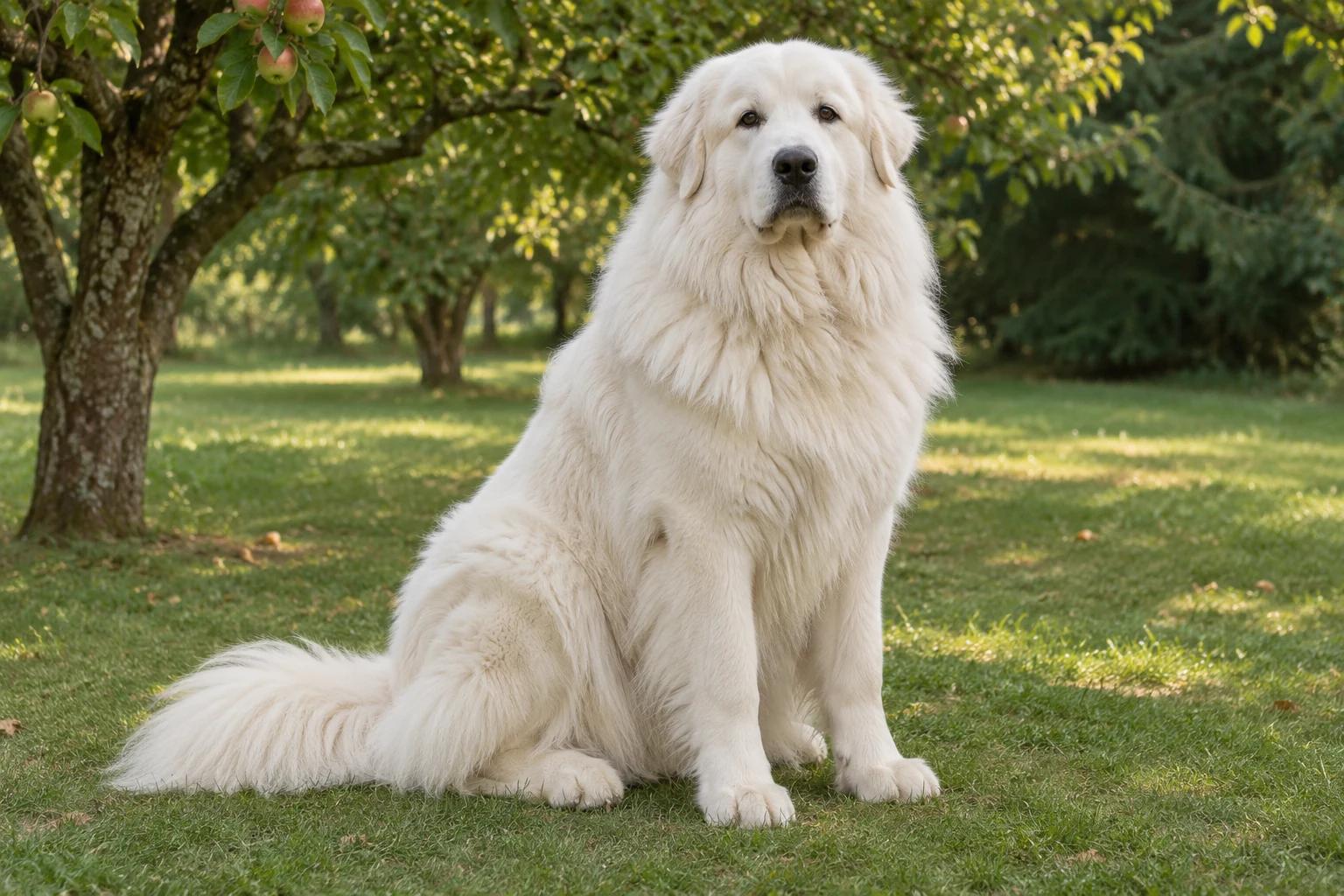
Great Pyrenees exercise needs are better approached as a daily routine than as a mileage challenge. A useful day offers chances to move, investigate, spend time with a person, and settle afterward. The question is not how much activity you can fit in, but what combination you can provide consistently for this particular dog.
Start with the dog's current routine and ask its caregiver what is familiar. For a puppy, an older dog, or one whose activity tolerance is uncertain, discuss the plan with your veterinarian rather than choosing a target from a breed label.
Great Pyrenees exercise needs across an ordinary day
The My Breed Atlas profile places Great Pyrenees activity needs in the middle of its scale. The Great Pyrenees Club of America's training guidance describes the guardian background as involving long periods of stillness with readiness to act. For a companion, that distinction is useful: a quiet-looking dog still needs planned activity, but constant motion is not the goal. Build the routine around the individual rather than converting a breed rating into a fixed walking allowance.
Think in blocks. An outing before your workday might provide movement and an unhurried chance to explore. A later break might be a short learning game or time together in a secure garden. Another walk can fit around the evening. The exact arrangement should reflect the dog's needs and the conditions, not an obligation to fill every block with exertion.
Write the plan in ordinary language. “A quiet route before the school rush” is easier to act on than “sufficient enrichment.” “A brief search game while dinner is prepared” tells another caregiver what you mean. A clear routine is also easier to adapt when work hours change.
How much exercise does a Great Pyrenees need?
There is no single duration that answers this for every Pyr. Age, current condition, experience, and the type of outing all matter. A slow exploratory walk and continuous brisk walking may occupy the same time on your calendar without being the same activity.
Instead of immediately adding distance, record what the current routine contains. Note the route, surface, weather, pace, and opportunities to pause. Include how the dog behaves during and after it. Bring those observations to your veterinarian if you are uncertain whether the plan is appropriate.
Do not use exhaustion as proof that the routine worked. Nor should every unsettled evening automatically lead to a longer walk. Consider interruptions, excitement, lack of a quiet resting place, and changes in the household. If restlessness or reduced willingness to move is new or persistent, seek professional advice rather than guessing at the cause.
Make the Great Pyrenees daily walk easier to repeat
The best route on paper may be the one you cannot manage on a busy Tuesday. Choose a nearby option you can use consistently, then keep a second route for days when the first is crowded or unavailable.
Look at the route through the eyes of the handler of a large dog. Where can you step aside? Is a narrow corner likely to put you face to face with another dog? Is there a gate where you will need both hands? Planning these points beforehand reduces the number of decisions you must make while holding the lead.
Build in time to investigate rather than making every outing a race between two locations. You might walk to a quiet verge, pause, and return by the same route. That can be a deliberate outing rather than a failed attempt at a longer circuit.
Share route notes with anyone who helps. Explain which entrance to use, where equipment is stored, and which busy spots you usually avoid. A substitute walker should not have to discover your Pyr's routine from scratch on a difficult morning.
A garden is a setting, not the whole plan
A secure outdoor area can be useful, but simply opening the door does not tell you what activity the dog is getting. Consider joining your Pyr for part of the time. Watch whether the dog explores, rests, engages with you, or focuses on something beyond the boundary.
Inspect the space before using it for an activity. Put away tools and identify a clear area where the dog can move without weaving through garden furniture. Keep access points controlled, including gates used by deliveries or other household members.
Do not turn the garden into a test of whether your dog can entertain itself indefinitely. You can use it for a simple search, a short cue practice, or an easy change of scene. It is one part of daily life, not a substitute for considering company, outings, and comfortable rest.
Great Pyrenees activity level includes thinking time
The Great Pyrenees Club of America's activities directory includes options such as scent work, rally, and trick training. You do not need to pursue titles to explore whether a structured activity interests your dog. Ask an instructor about beginner sessions and the demands of the particular activity before committing.
At home, keep experiments uncomplicated. Invite the dog to find a familiar toy in an easy location, or practice moving to a designated resting spot. Choose an activity you can explain in one sentence and stop before turning it into a long drill.
Keep a small list of what your Pyr actually enjoys. One dog may engage readily with a search; another may prefer walking alongside you somewhere quiet. Interest is useful information. There is no need to keep repeating a game because another owner says their dog loves it.
Keep a workable backup day
Prepare for days when the planned outing is not appropriate. A backup might combine necessary outdoor breaks with quiet indoor engagement and a later walk if conditions improve. The details should suit your dog and any advice from its veterinarian.
Store the things you need together: familiar equipment, towels, and a couple of simple activity options. Agree who will take over if the usual handler is delayed. Reliability often comes from these ordinary arrangements, not from buying more equipment or planning a demanding weekend adventure.
The Great Pyrenees profile provides broader care context. Read about the breed's distinct guarding background if you are considering a working role, and use the breed quiz if you are still comparing the daily routines different dogs may involve.
FAQ
Is a long weekend walk enough?
A long weekend walk does not replace a Great Pyrenees' weekday activity routine. Build a repeatable weekday routine around the individual dog, and treat longer outings as separate activities whose suitability should be considered rather than assumed.
Does a Great Pyrenees need to enjoy fetch?
Fetch does not have to be the centerpiece of a Great Pyrenees' routine. Try suitable activities and notice which ones the dog engages with. Walking, exploration, and short learning games offer other ways to spend active time together.
Should I increase exercise when my Pyr seems restless?
A restless Great Pyrenees does not automatically need more exercise. Review the whole day, including excitement, company, and opportunities to rest. A change in behavior may need a veterinarian's assessment. Use observations to guide the conversation instead of treating additional exertion as the answer to every difficulty.
Sources behind this article
- American Kennel Club: Great Pyrenees ↗
- Great Pyrenees Club of America: Activities ↗
- Great Pyrenees Club of America: Obedience Training ↗
Article source checked: November 16, 2026. Source checked 2026-11-16
Keep reading

Afghan Hound Exercise Needs: Build a Workable Active Day
Read article →