Grand Basset Griffon Vendéen temperament at home
Understand this persistent scenthound through walks, vocal triggers, learning routines and everyday company before choosing a GBGV.
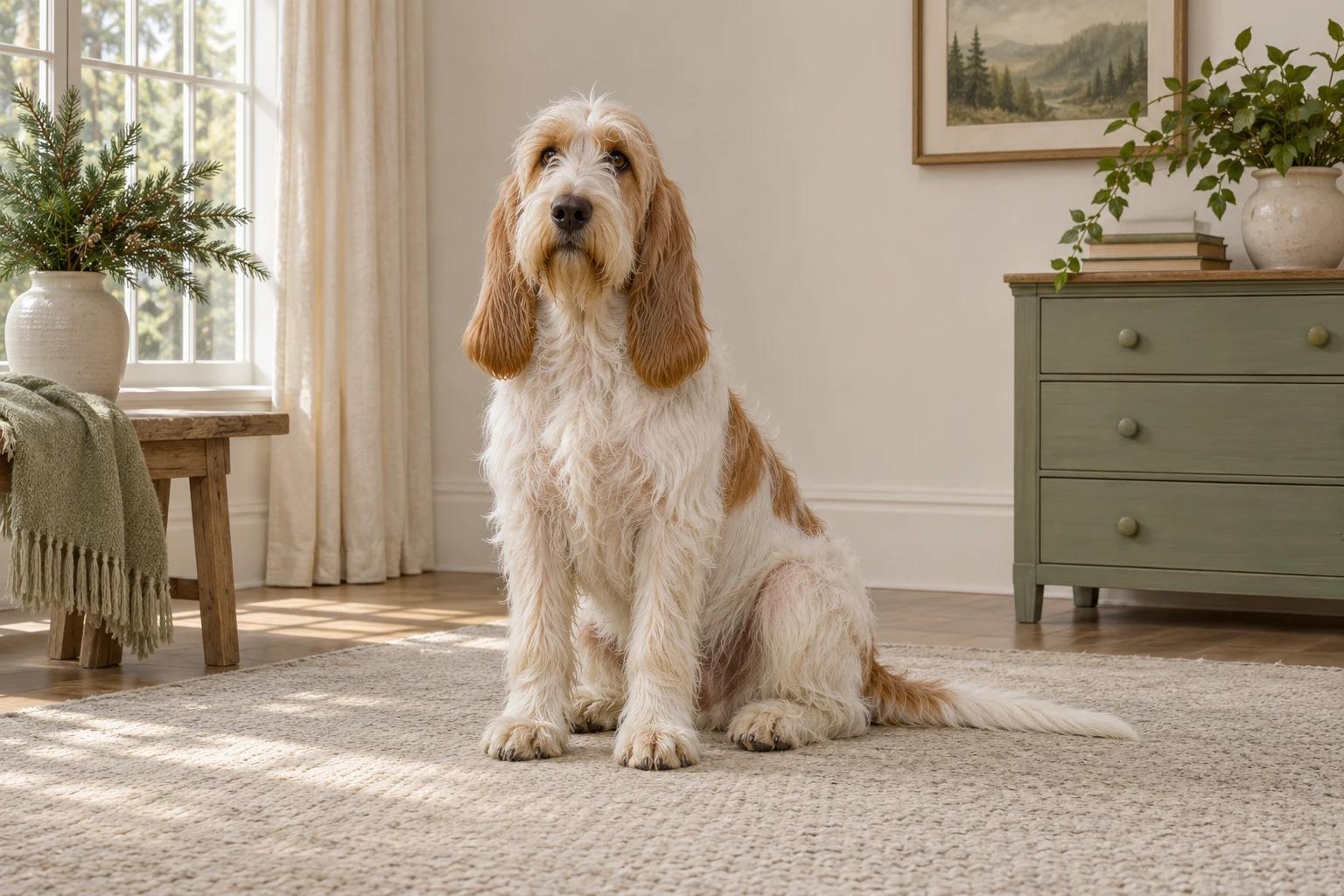
Explore the
Grand Basset Griffon Vendéen
Background, care, and everyday considerations.
View breed profile →Grand Basset Griffon Vendéen temperament makes more sense when you picture a scent-led outing than a dog waiting for instructions. The AKC describes a busy French scenthound with stamina; the UKC emphasizes persistence in hunting. For an owner, the interesting question is how to give that attention somewhere useful to go while keeping ordinary household life manageable.
A cheerful introduction is only one part of the picture. Before choosing this breed, look at the less photogenic moments: leaving a fascinating patch of grass, waiting while you answer the door, and winding down when the day's outings are over.
Grand Basset Griffon Vendéen temperament beyond the greeting
The breed profile describes an outgoing, independent hound with substantial activity and mental-engagement needs. Independence does not mean that communication is pointless. It means your plan needs to work when something else is interesting, not just when you hold the only attraction in an empty room.
For a practical first assessment, ask the current caregiver to describe yesterday. When did the dog go out? Which part of the walk took longest? What happened when the walk ended? A real sequence gives you more to work with than labels such as easygoing or stubborn.
Watch an ordinary transition if possible. A dog may greet visitors enthusiastically but find departure difficult, or enjoy company without wanting continuous interaction. Record what you actually see rather than trying to make every moment fit a breed description.
Make room for the nose without surrendering the walk
Try planning an outing as several small agreements. There is a place to investigate, a cue for moving on, and a quiet section where you practice walking together. Adjust the stops and pace to the dog and the surroundings rather than treating the route as a fixed test.
Choose an uncomplicated starting location. Before tackling a busy path, notice whether your dog can respond to its name, take a reward, and turn with you there. If not, a less distracting setting may be more useful than repeating the same request more loudly.
A fenced area still needs a gate check. Discuss suitable equipment and secure exercise arrangements with the dog's caregiver or trainer. Do not treat a successful recall in the kitchen as evidence that a hound can be released beside wildlife or traffic. The environment belongs in the decision, not just the dog's recent performance.
Keep a short note of where communication becomes difficult. Was it the new trail, another dog, or the moment you stopped allowing sniffing? That turns an apparent personality problem into a specific training question.
Personality and the sound of everyday life
Grand Basset Griffon Vendéen personality includes more than sociability. The Atlas profile flags a relatively vocal tendency. Before committing, think about the building you actually live in: shared landings, deliveries, a garden beside a footpath, or neighbors who work nights.
Ask for examples rather than reassurance. Does the dog call when another dog passes, when left behind, or when waiting for an outing? Those situations need different arrangements. You cannot build a useful plan around the sentence “hounds bark” alone.
For a delivery routine, you might arrange a separate waiting area before opening the door and practice going there during quiet moments. For outdoor triggers, consider whether access to the fence line needs management. These are starting points to discuss with a reward-based trainer, not instructions to suppress every sound.
If vocalization is new or noticeably different, speak with a veterinarian rather than assuming it is simply the breed expressing itself.
Turn persistence into a workable learning routine
When considering Grand Basset Griffon Vendéen characteristics, persistence can sound either admirable or exhausting. The practical difference is often whether the task is clear. Decide exactly what earns a reward: turning toward you, keeping four paws down, or waiting while a lead is attached.
Practice one of those actions at a time. A hurried chain of name, sit, stay, come and quiet gives you little information about which part the dog understands. Write down the cue you used and ask everyone in the household to use the same word for the same action.
For example, the family might choose a simple departure routine: equipment appears, the dog approaches a designated spot, and the person attaches it before opening the door. Rehearse without immediately leaving each time. You are checking whether the sequence is understandable, not staging a test of character.
A trainer can help adjust the exercise if frustration grows. Look for someone willing to observe the actual problem and explain a reward-based plan rather than promising to eliminate the hound's independence.
Company, rest and a realistic household fit
A sociable first meeting does not tell you how a dog handles a workday. Ask about current time-alone experience, where the dog rests, and what the caregiver does before leaving. Keep those questions separate from whether the dog likes visitors.
Build a written weekday schedule before collecting a puppy or adult. Include who handles outings, who provides company, and what happens when the usual person is delayed. A weekend full of woodland walks cannot answer a missing Tuesday lunchtime arrangement.
Grand Basset Griffon Vendéen behavior should also be discussed at quiet times. Can the caregiver show you where the dog chooses to settle? What usually interrupts that rest? These details help you prepare a routine without assuming that a tired dog will automatically switch off.
If you love the hound's appearance but prefer brief outings and near silence, acknowledge that mismatch early. The breed quiz can help organize your preferences. Our existing article about the breed's physical design explores a different part of the GBGV story; appearance and everyday compatibility deserve separate consideration.
FAQ
Is a Grand Basset Griffon Vendéen easy to train?
Training should account for a persistent scenthound's competing interests. Ask about the individual dog's learning history, practice clear tasks in manageable settings, and work with a reward-based trainer when you need help. Easy or difficult is less useful than identifying the exact situation you want to improve.
Does this breed need more than a garden?
A garden does not provide a complete plan for outings, interaction and learning. Consider who will accompany the dog, what secure activities are available, and how those arrangements work during ordinary weekdays, not only on days when everyone is free.
What should I ask when meeting an adult GBGV?
Ask about walking distractions, vocal triggers, time alone and settling after activity. Request examples from the dog's current routine and observe ordinary transitions when possible. Those details provide a more useful ownership picture than a friendly greeting on its own.
Sources behind this article
- American Kennel Club: Grand Basset Griffon Vendéen ↗
- United Kennel Club: Grand Basset Griffon Vendeen standard ↗
Article source checked: November 15, 2026. Source checked 2026-11-15
Keep reading
Grand Basset Griffon Vendéen size: practical planning
Read article →