Grand Basset Griffon Vendéen size: practical planning
Plan for a Grand Basset Griffon Vendéen with individual measurements, equipment checks and realistic transport arrangements.
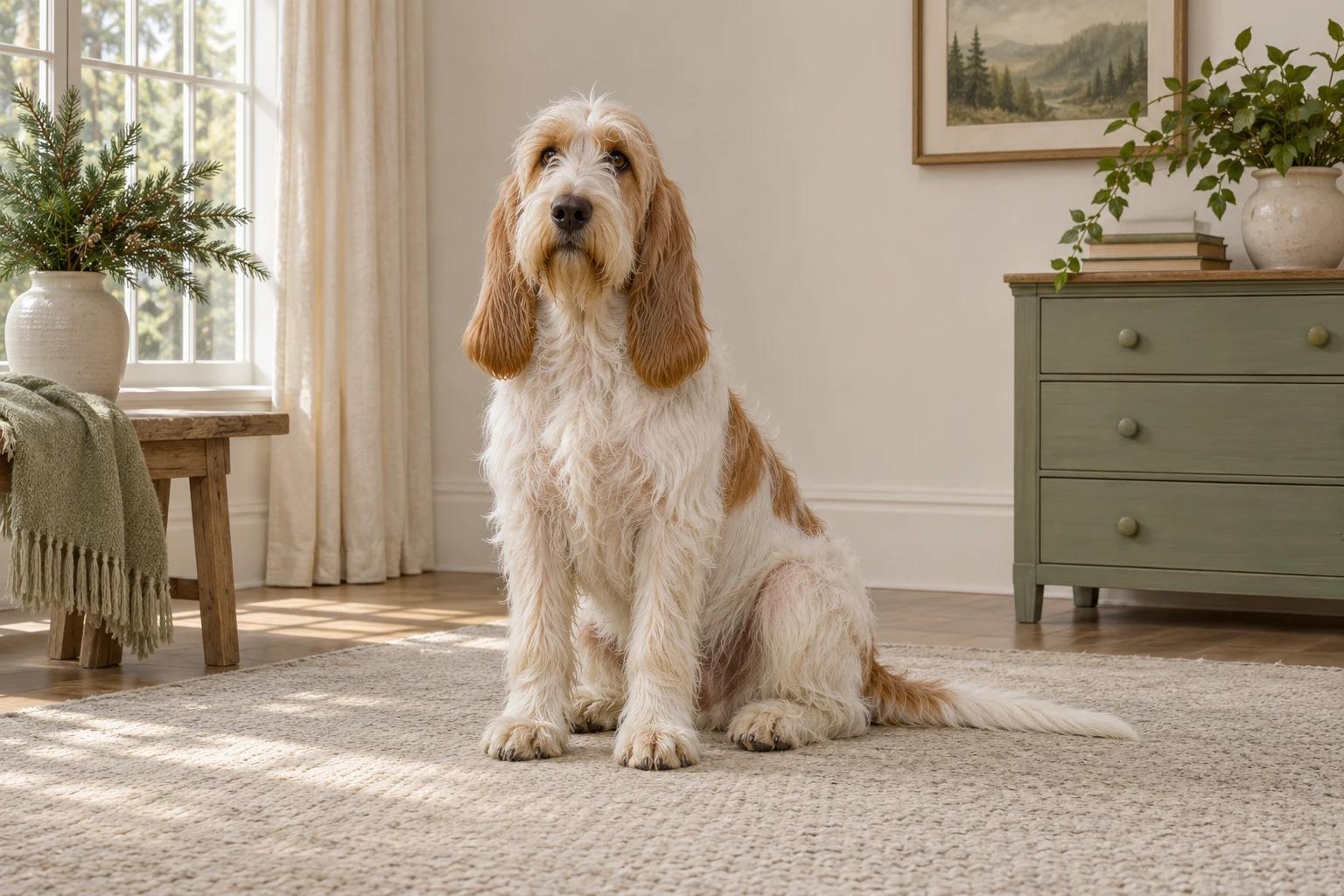
Explore the
Grand Basset Griffon Vendéen
Background, care, and everyday considerations.
View breed profile →Grand Basset Griffon Vendéen size can be deceptive in photographs. A lower outline does not make this a lightweight dog to carry or a tiny passenger to fit around luggage. The My Breed Atlas profile lists an adult reference weight of 40–45 pounds. Treat that as a planning range, not a guarantee about a puppy or a target weight for an individual adult.
For ownership decisions, the useful next step is to separate weight, shoulder height and equipment fit. They answer different questions, and no single measurement replaces the others.
Grand Basset Griffon Vendéen size: what to measure
Begin with the individual dog whenever possible. Grand Basset Griffon Vendéen weight matters for equipment load limits and practical care arrangements. Grand Basset Griffon Vendéen height usually means shoulder height, not the top of the ears or head. Body length and chest circumference may be needed for a particular product, but follow that manufacturer's measuring instructions rather than inventing a universal formula.
Ask a caregiver to record the measurement, date and method together. “Medium harness” is not a measurement. Neither is “fits in our car,” because their vehicle and travel setup may be quite different from yours.
Keep the breed profile as background reading. For purchases, current measurements and the product's intended use are more useful than shopping by breed name alone.
How big do Grand Basset Griffon Vendéens get?
The honest answer includes uncertainty about the dog you are considering. My Breed Atlas lists adult references of 15.5–18 inches at the shoulder and 40–45 pounds. These figures are useful for broad planning, but they do not establish the final measurements of a puppy. Nor should an adult outside a reference range be judged from the number alone. Ask a veterinarian about body condition and any concerns about growth or weight.
If you are meeting a litter, ask about the adult parents and the breeder's experience of related dogs. Record those observations as context, not a prediction with a deadline. Avoid making a large nonreturnable equipment purchase solely because someone estimates a future size.
A practical shopping list can have two columns: items needed now and items to review later. A correctly fitted current harness belongs in the first column. A costly permanent travel setup may require additional measurements and a clearer picture of adult fit.
Do not try to make a dog reach a reference weight through a feeding calculation found in a breed article. Feeding and growth questions belong with the veterinarian who can assess the individual.
The low outline is not a portability promise
The UKC describes a slightly elongated basset outline. That is a description of breed form, not an instruction to lift the dog under one arm. Before relying on carrying, consider the actual dog, the distance and your own ability.
Ask your veterinary clinic how to plan transport if the dog cannot move normally. This is especially worth arranging when your home involves stairs, a long route to parking or a vehicle with a high entrance. Do not wait for a problem to discover that the only proposed helper cannot manage the journey.
A sitter needs the same information. Send current measurements, travel arrangements and clear contact details rather than just saying the dog is “not very tall.” Confirm that the provider can accommodate this particular dog and its equipment.
Size also affects everyday logistics beyond lifting. A dog resting beside a desk needs usable space for its whole body, not merely a patch equal to its shoulder width. Check the position you actually expect the dog to use.
Fit the equipment, not the breed label
For a bed, observe how the adult dog normally rests. Curled-up sleep and full-length stretching create different space requirements. Compare usable sleeping area with the outer product dimensions, especially when thick sides take up part of the advertised footprint.
For a harness, read the manufacturer's directions carefully and check the fit while the dog stands and moves. Ask a qualified professional if you are unsure. An appealing size name or photograph of a similar-looking hound is not enough evidence that a model fits yours.
For travel equipment, check both the dog's fit and compatibility with the vehicle. Keep those checks separate. A container that appears spacious may still be unsuitable for the intended journey or installation. Follow the product's instructions and relevant travel requirements.
Save receipts and note return conditions before purchase. That small administrative step can be more helpful than trying to predict every future measurement perfectly.
A small footprint does not mean a small activity plan
The AKC identifies this breed as a busy scenthound with stamina. Its physical scale should not lead you to plan life as though you were choosing a decorative lap companion. Decide who will provide outings and engagement before deciding where the bed goes.
Try writing down one ordinary workday. If your plan says only “garden” between breakfast and evening, identify who will actually spend time with the dog and when. The answer may require a different schedule or a dependable caregiver, not a larger garden.
Ask about the individual dog's current routine when comparing an adult with a puppy. A known adult may come with useful observations about equipment, walking and rest. A puppy requires more frequent reassessment as its needs and dimensions change. Neither choice removes the need for a realistic household plan.
Make a size record you can use
A simple note can contain the date, current weight, measurements requested by equipment makers, and the name of each product that fits. Add a photograph of the product label, not a guess based on its appearance. Review the note before ordering a replacement.
Keep clinical questions separate from shopping notes. A changed weight reading is something to discuss in context with your veterinarian, not an automatic reason to alter food or activity yourself.
Our existing physical-design article covers the breed's foreleg history. This guide focuses instead on ownership measurements and practical purchases. If size is only one of several unresolved preferences, the breed quiz can help you compare it with the time, sound and companionship commitments that matter to you.
FAQ
Is a GBGV small enough to carry everywhere?
Do not assume so from its height. The Atlas adult reference weight is 40–45 pounds, and an individual may differ. Plan normal travel and contingency transport around the actual dog rather than expecting routine carrying to solve every access problem.
Can I buy all adult equipment before a puppy arrives?
Some purchases can wait until measurements are clearer. Buy essential current-fit items and check return or adjustment options for larger purchases. A predicted adult size does not establish whether a particular harness or travel product will fit.
Should I use a breed weight range as a feeding goal?
No. A reference range describes a population rather than prescribing an individual's weight. Ask your veterinarian about body condition, feeding and growth, and bring any recorded measurements that may help that conversation.
Sources behind this article
- American Kennel Club: Grand Basset Griffon Vendéen ↗
- United Kennel Club: Grand Basset Griffon Vendeen standard ↗
Article source checked: November 15, 2026. Source checked 2026-11-15
Keep reading
Grand Basset Griffon Vendéen temperament at home
Read article →