Giant schnauzer exercise needs: a workable weekly plan
Plan Giant Schnauzer walks, purposeful activities, rest, and backup arrangements around an ordinary working week.
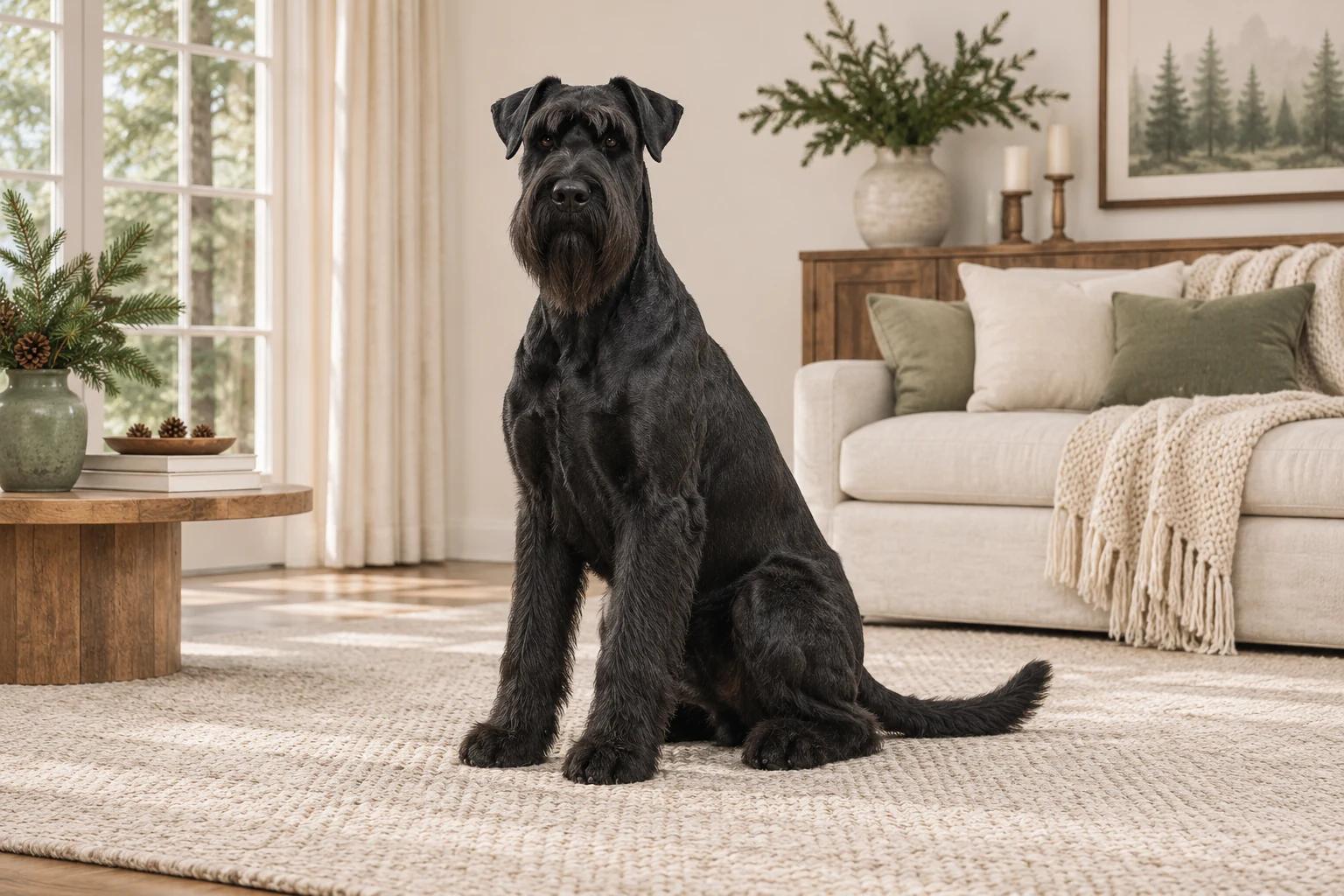
Giant schnauzer exercise needs belong in the weekly calendar before they belong in a stopwatch app. A workable plan gives this active working breed opportunities to move, investigate, learn, and then rest. It also survives an ordinary Tuesday when work runs late and the weather is unhelpful.
VCA's breed overview describes substantial physical activity and mental engagement. That is a useful broad expectation, not an individualized prescription. Build the details around the dog's age, current condition, experience, and your veterinarian's guidance.
Giant schnauzer exercise needs across a real week
Start by writing the opportunities you can reliably provide, not your ideal weekend. Include who is available, how you reach outdoor space, and what happens if the usual handler cannot walk the dog. The Giant Schnauzer profile helps place activity alongside grooming and training rather than treating exercise as the only commitment.
A sample weekday might include a purposeful morning outing, a midday opportunity to go outside with a familiar caregiver, and an evening activity shared with the household. This is an organizational example, not a required schedule. Your dog's appropriate amount and type of activity may differ.
Notice the hidden time around each outing. Getting equipment on, traveling to a suitable place, cleaning muddy furnishings, and helping the dog settle afterward all use part of the day. A plan that allocates only the minutes spent walking may look feasible on paper and fail in practice.
Give outings different purposes
A Giant Schnauzer daily walk does not have to accomplish every goal at once. One outing can emphasize steady movement along a familiar route. Another can allow more investigation in a suitable space. A separate short practice session can focus on passing a distraction or returning to the handler.
Labeling the purpose helps you choose the location. A narrow shopping street may be a poor place for relaxed sniffing. A crowded recreation area may be too demanding for initial leash lessons. An enclosed training space may offer room for controlled games without relying on untested off-leash behavior.
Avoid measuring success only by distance. A long route with repeated difficult encounters can be less useful than a thoughtfully chosen outing that the dog and handler can manage comfortably. Record what happened, not just how far the tracking app says you traveled.
Add a job without adding pressure
The UKC standard describes a working dog with strength and endurance. At home, you need not recreate historical work or enter competition to provide purposeful activity. A small, clear task can give structure to time together.
For example, you might arrange a simple search for an appropriate toy in a familiar room, practice moving between two marked stations, or work on a short sequence of everyday cues. Try different tasks to discover which your Giant enjoys. Choose objects and spaces that suit your dog, supervise, and put equipment away afterward.
If a task becomes frantic or confusing, reduce the difficulty. More speed, more repetitions, or more complicated hiding places are not automatically improvements. Ask whether the dog can understand the next step and whether you can end the activity without an argument over equipment.
Keep mental engagement distinct from exhausting the dog. The aim is a satisfying routine, not a competition to find the maximum amount of stimulation the household can supply.
Plan exercise and recovery together
A high Giant Schnauzer activity level does not mean every available hour should be busy. Protect quiet periods in which nobody starts another game or repeatedly interrupts the resting dog. Place the resting area where household traffic will not constantly restart the action.
Watch the whole day rather than one exciting moment. An enthusiastic response to a toy is not, on its own, proof that more vigorous exercise is appropriate. Conversely, difficulty settling is not automatically solved by making the next outing longer. Routine, surroundings, learning, and health can all deserve consideration.
If you notice a change in willingness to move, comfort, or usual behavior, speak with your veterinarian rather than adjusting intensity by guesswork. This guide cannot set exercise limits for a puppy, an older dog, or a dog with a medical history.
Have a bad-weather plan
Before an outdoor session becomes impractical, identify the parts you can preserve. You may still have suitable short outdoor opportunities plus indoor training, object searches, and quiet company. Indoor work is a backup component, not a claim that a few puzzles permanently replace outdoor activity.
Prepare the space first. Move breakable objects, choose a nonslip surface, and avoid games that send a large dog skidding through doorways. A controlled station exercise may fit a living room better than a thrown ball.
Write down an alternative caregiver and an alternative location. Confirm that the caregiver can use your equipment and understands the dog's cues. A backup who has only met the dog once may not be ready for a difficult outing when you urgently need help.
Test the plan before choosing the breed
If you are considering a Giant, rehearse the human schedule for a week. Leave home at the proposed outing times and count travel and cleanup time honestly. Ask yourself whether you would still choose that arrangement during a demanding work period.
Meet owners and ask what gets postponed when their schedule is busy. Their answers can reveal practical costs that photographs do not show. Our Giant and Standard Schnauzer handling article offers another ownership perspective, while the breed quiz helps organize your lifestyle preferences.
FAQ
How much exercise does a Giant Schnauzer need?
Expect a substantial daily activity commitment with both movement and engagement. There is no single minute count appropriate for every Giant. Discuss the individual dog's age, condition, and limitations with your veterinarian, then build a routine you can sustain.
Is a garden enough exercise for a Giant Schnauzer?
Access to a garden does not describe what the dog actually does there. Plan shared outings and purposeful activities rather than assuming outdoor space alone supplies the routine. Use secure boundaries and supervision appropriate to the setting.
Can training count as part of activity time?
Training can provide mental engagement and useful movement, depending on the task. It complements suitable physical exercise rather than automatically replacing it. Keep sessions understandable and make room for quiet time afterward.
What if my dog remains restless after a long walk?
Review the whole day instead of automatically adding distance. Consider the outing's difficulty, opportunities for rest, household interruptions, and whether the behavior is new. Seek veterinary or qualified training advice when restlessness persists or changes suddenly.
Sources behind this article
Article source checked: November 15, 2026. Source checked 2026-11-15
Keep reading

Afghan Hound Exercise Needs: Build a Workable Active Day
Read article →