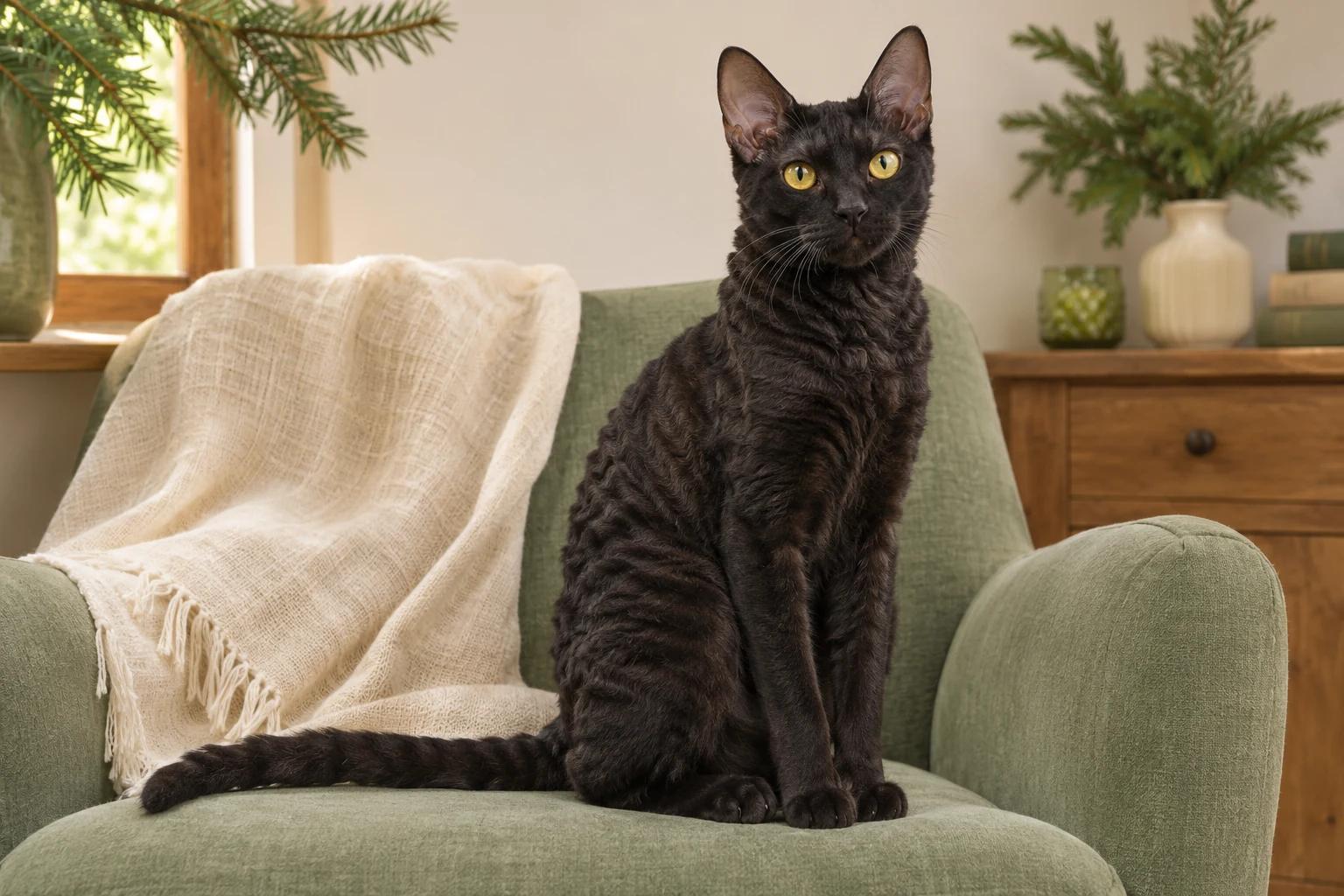
How to build an indoor play rotation for a Bengal
Create a Bengal play routine around observing, changing games and checking toy safety, with a plan you can maintain on ordinary weekdays.

Begin with the game your cat actually chooses
CFA describes Bengals as curious and athletic. That is a reason to plan engaging opportunities, not a requirement to keep an individual cat moving all day. Before adding equipment, watch what your cat does with the toys and spaces already available. Does it stalk from cover, chase across the floor or prefer to inspect something new first?
Choose one quiet observation period and record what draws interest. A toy ignored in the centre of a room may be more interesting when it moves past a hiding place. Change one element at a time so you can tell what mattered. Your aim is to learn what this cat enjoys, rather than assemble a collection labelled suitable for Bengals.
Give a game a beginning and an ending
Cats Protection recommends games that allow stalking and catching, including interactive fishing-rod toys. Let the cat catch the toy during play rather than making it permanently unreachable. Choose an area where you can concentrate on the interaction and keep the movement within the cat’s comfortable abilities.
For your household, identify a few realistic opportunities: perhaps before work, after somebody returns and during a quieter part of the evening. These are scheduling examples, not an exercise prescription. Age, health and the cat’s response matter. A sustainable arrangement is more useful than an ambitious timetable that disappears whenever work runs late.
Rotate opportunities, not the whole room
Start a small rotation box with a few appropriate toys, keeping some out of sight between sessions. Cats Protection suggests swapping toys regularly to maintain interest. You can also vary the game around the same toy: a different approach, a slower movement or a different place to wait can be worth trying before buying anything else.
Keep familiar resting places available while you experiment. A week of play notes might have three columns: what was offered, what the cat chose and what you will change next time. Record a quiet refusal as information. Do not keep presenting increasingly intense versions of a game simply because a breed description says the cat is active.
Inspect before and after play
Check toys for damage and remove items that could be swallowed or cause entanglement. String-based toys belong in supervised sessions and should be put away afterwards. Hands and feet should not become the prey in the game. Ask everyone who plays with the cat to follow the same rules so a kitten is not encouraged to practise something that will hurt later.
A simple storage routine helps: inspect the toy, play, inspect again and return it to a secure place. Replace worn items when necessary. If several people share care, leave a short note about damaged equipment rather than assuming the next person will notice the loose piece before offering it.
Review the routine when something changes
A sudden change in play, movement or behaviour deserves veterinary advice rather than a stronger toy or a longer session. Once health concerns have been considered, a qualified behaviour professional can help with persistent difficulties. This article is a planning exercise, not a method for treating aggression or proving that a cat is getting enough exercise.
At the end of the first week, keep the opportunities your cat used and revise the ones it ignored. Give each recurring session an adult owner and a backup. The useful Bengal play rotation is the one that remains safe, interesting and manageable for the individual cat and the people who care for it.
Sources behind this article
Article source checked: October 22, 2026. Source checked 2026-10-22
Keep reading
Restarting play with an adopted adult American Shorthair
Read article →