German longhaired pointer size: planning your space
Plan transport, resting space, and equipment for German Longhaired Pointer size without treating a breed range as a puppy prediction.
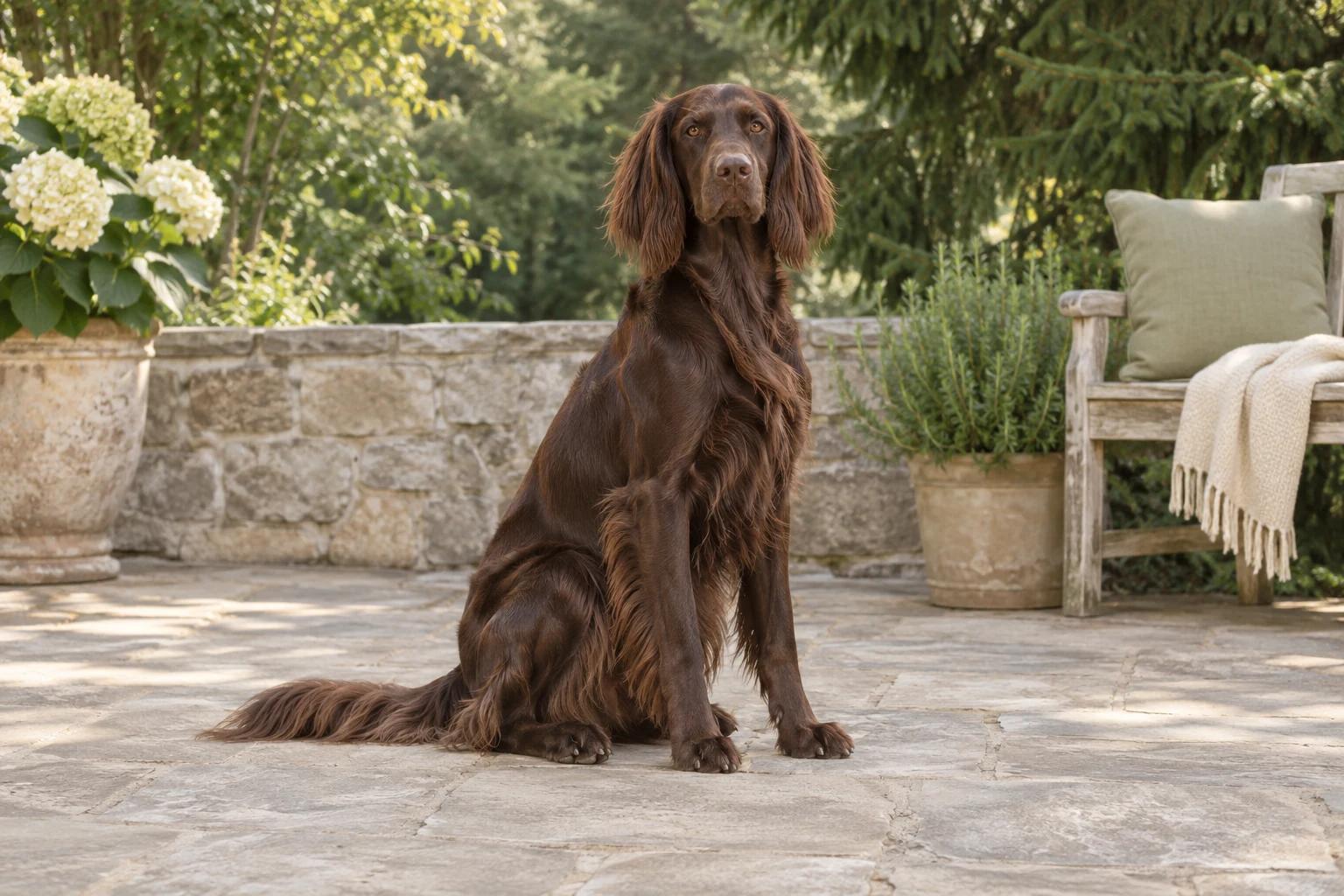
Explore the
German Longhaired Pointer
Background, care, and everyday considerations.
View breed profile →German longhaired pointer size matters most when it becomes a practical measurement: the space available in your car, the width of a resting area, or your ability to manage the adult dog on a lead. A puppy's appearance is an unreliable shopping guide. Prepare for a substantial adult, then fit equipment to the individual rather than buying everything from a breed label.
German longhaired pointer size: what to measure
The German Longhaired Pointer profile lists an adult height of 22–28 inches and weight of 55–80 pounds. These are planning references, not a promise about one puppy. If an accommodation rule or piece of equipment has a firm limit, ask for information about the actual dog. For a youngster, discuss uncertainty with the breeder and leave room to replace equipment as needed.
The FCI breed standard describes a muscular dog with substance rather than an exaggeratedly heavy build. That distinction is useful: size is not simply the highest possible weight. Nor does a particular number on a scale establish whether an individual is in appropriate condition. Ask a veterinarian to interpret growth and body condition.
You will need different measurements for different decisions. Shoulder height is not the same as the space a standing dog needs above its head. Body length is not the same as the length required to stretch out. Chest circumference may determine a harness size even when the dog's height falls neatly within a product's breed recommendation.
Turn the car into a real fitting exercise
Before purchasing transport equipment, measure the usable space, including the opening through which the equipment must pass. A crate that fits inside the boot may still be impossible to load through its narrower entrance. Consider folded seats, passenger requirements, and whether you can close the door without pressing against the enclosure.
Next, consult the equipment manufacturer's fitting and installation instructions for the actual dog and vehicle. Check more than a headline weight rating. The dog must have the space required by the product design, and the restraint must be installed as intended. A photograph of another German Longhaired Pointer in a similar car is not a fit assessment.
Plan the arrival as well as the journey. Where will you attach a lead before opening the vehicle? Can you stand beside the opening without stepping into traffic? If an adult cannot enter independently, discuss suitable assistance with a veterinarian rather than improvising a lifting method from an online size chart.
German longhaired pointer weight and equipment limits
German longhaired pointer weight is relevant to product limits, but it does not replace the rest of the specification. A carrier, ramp, harness, gate, or grooming surface may have requirements involving dimensions, installation, or use. Read those details before buying.
Make a small equipment record with the dog's current measurements, the date, and the product settings you are using. For adjustable equipment, note how much adjustment remains. Check fit again when the dog grows or its condition changes; the original setting is not a lifetime setting.
Avoid buying an adult-sized harness and tightening it in ways the manufacturer does not intend. Likewise, do not keep a puppy item simply because it still closes. Ask a knowledgeable fitter to show you what correct fit looks like, including how the equipment sits while the dog moves. If rubbing, discomfort, or an unexplained change appears, consult the appropriate professional.
Make room for the return from an outing
Picture a wet pointer arriving home while someone else carries the walking equipment. Choose a place where you can remove the lead, reach the dog without bending around furniture, and keep used towels separate from clean bedding. Try that sequence with the adult dog present rather than judging the room from an empty floor plan.
For a German Longhaired Pointer, coat and tail can make photographs visually impressive, but neither tells you the correct bed dimensions. The AKC introduction notes the breed's long coat and full tail. Use actual resting measurements rather than the apparent volume of the outline.
Think about washable covers and the route from outdoors to the resting area. The existing coat-length map explains the coat's distribution; use it when deciding where you need access around the dog. A towel storage spot near the entrance may be more useful than choosing a smaller bed to make the room look tidier.
Height is only one part of household access
When researching german longhaired pointer height, remember that a standing measurement does not describe turning space. Look at narrow hallways, the area behind a door, and the route between furniture. You should be able to move around the dog without constantly asking it to relocate.
If you rent, obtain the actual pet rules before committing. A rule may refer to weight, number of animals, or other conditions rather than shoulder height. Explain the dog accurately and get any necessary agreement in writing. Do not assume a breed name tells the property manager everything they need to know.
Ask everyone who will handle the dog to consider the adult, not only the puppy. Who can manage routine transport? Who takes over if the usual carer is unavailable? The answer might involve choosing a professional service or changing an access arrangement rather than relying on one person's physical strength.
Ask about growth without seeking a guarantee
The question “how big do german longhaired pointers get” is reasonable, but the most useful follow-up is about the particular family and individual. Ask for the parents' adult measurements and information about previous related adults when available. Treat those as context, not a mathematical forecast.
For an adult rescue dog, request current measurements instead of estimating from photographs. For a puppy, budget for replacement equipment and veterinary guidance as it grows. Do not use a feeding change to pursue a preferred adult size. Nutrition and growth concerns belong with a veterinarian who knows the dog.
Finally, use the breed quiz to consider whether your daily arrangements fit the whole dog. Passing a doorway measurement is only one part of being prepared for life together.
FAQ
Can I predict adult size from a puppy's paws?
Paw appearance is not a dependable equipment or housing plan. Ask for family information, allow for uncertainty, and use the puppy's current measurements for correctly fitted items while preparing for replacement as it grows.
What measurement matters most for a harness?
Follow the specific manufacturer's instructions. Chest and neck measurements, adjustment range, and the way the harness sits in motion can matter alongside weight. A breed-based size label alone is not enough.
Should I aim for a breed-standard weight?
No single standard figure establishes the right weight for an individual. A veterinarian can assess body condition and development. Use size information to plan equipment and space, not to set an independent feeding target.
Sources behind this article
Article source checked: November 15, 2026. Source checked 2026-11-15
Keep reading
German longhaired pointer temperament: everyday life
Read article →