French spaniel temperament: companion and working dog
Understand French Spaniel temperament through daily activity, outdoor interests, introductions, and questions about the individual.
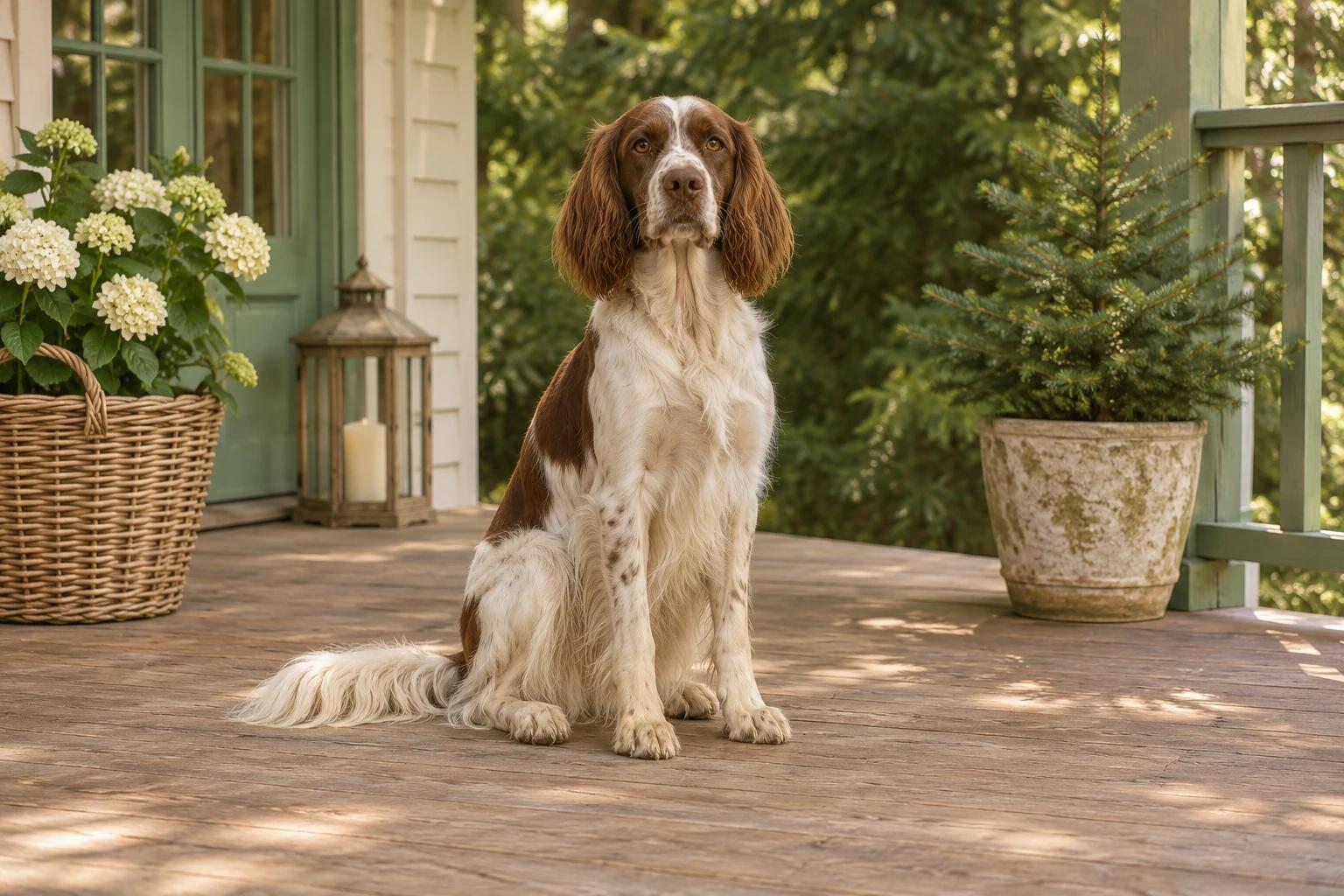
French spaniel temperament combines two ideas that prospective owners sometimes separate too sharply: a gentle companion and an interested working dog. A calm description should not lead you to plan a life without meaningful activity. Equally, a hunting background does not mean every moment at home must become a training exercise. The useful task is to understand how one particular dog moves between participation, exploration, and rest.
French spaniel temperament: read both halves of the description
The AKC French Spaniel introduction pairs a calm, gentle disposition with hunting enthusiasm. The FCI standard identifies the breed as a pointing dog with retrieving aptitude. Those points belong together when you consider daily life; neither cancels out the other.
Start by asking what the dog does on an ordinary day. How does it spend a walk? What happens after an outing? Which activities invite its attention, and what does its carer do when work or weather disrupts the routine? You want a description of the actual household, not a recital of breed adjectives.
The French Spaniel profile provides a broader starting point. Use it to form questions, then let direct observations and reliable history refine your expectations. A breed description is not an assessment of a dog you have not met.
A calm manner does not mean an empty calendar
Imagine two prospective homes. One offers a quiet room but little shared activity. The other offers regular outings, a place to rest, and people who enjoy teaching simple tasks. The difference is not necessarily the size of the house. It is whether the dog's day has something meaningful in it beyond waiting for the next meal.
For french spaniel personality, look beyond how quietly the dog stands during a first meeting. Ask what happens before and after that moment. A dog photographed after an outing may look very different from the same dog waiting for its morning activity. Context helps you interpret the calmness you are seeing.
Write a weekday schedule that includes who is available, not only what you hope to do. If one person enjoys long outdoor sessions but is away most weekdays, the rest of the household needs an arrangement it can maintain. A plan based on the busiest person's occasional enthusiasm is fragile.
Outdoor interest needs practical management
A pointing background is a reason to ask about the dog's response to birds, movement, and scent. It is not a reason to test recall by releasing an unfamiliar dog near wildlife. Choose secure settings and ask the current carer or a qualified trainer which skills and management arrangements the individual already knows.
Describe your usual walking environment before choosing the dog. Woodland paths, open fields, livestock routes, and busy paved streets present different challenges. If your ideal outing involves freedom in open country, investigate how you would build the necessary skills and comply with local rules rather than assuming that a trainable breed arrives ready.
You can also ask what the dog enjoys when outdoor options are limited. Does it participate in toy searches, object games, or structured learning? These observations help you plan alternatives. They do not turn a few indoor games into a permanent substitute for an appropriate activity routine.
Sociability still needs thoughtful introductions
Breed references describe sociability with other dogs, but compatibility belongs to individuals. When considering a second dog, discuss both dogs' histories and arrange introductions with appropriate guidance. Do not use a positive breed description as permission to place an unfamiliar dog directly into another dog's sleeping area.
Consider how the household manages resources and quiet time. Where can each dog rest without being followed? How will you organize feeding, visitors, and exits through a narrow doorway? These are planning questions that can be answered before an introduction, not proof that either dog has a problem.
For human visitors, ask how the French Spaniel prefers to approach. Give a newly arrived dog room to observe without requiring a performance for everyone. A friendly reputation should make you curious about the individual's preferences, not erase the need to notice them.
Separate observation from interpretation
A useful note about french spaniel behavior records what happened. For example: the dog followed a scent along the hedge and took longer to reorient when called. That says more than stubborn. Another note might say the dog rested near its carer while visitors talked, which is more precise than perfect indoors.
Ask the carer what they did next. Did increasing distance from the distraction help? Was the dog responding to a familiar cue or just moving with the person? The answer can reveal the support behind behavior that otherwise looks effortless.
If behavior changes suddenly, seems distressed, or creates a safety concern, seek veterinary or qualified behavior support. A breed label should not become an explanation that delays help. Bring your concrete notes so the professional has a starting point beyond a broad temperament adjective.
Choose a companion, not a collection of traits
French spaniel characteristics are most useful when they help you examine fit. Enjoying shared outdoor activity, making room for learning, and accepting everyday care are practical commitments. Liking the idea of a gentle sporting dog is only the beginning of that decision.
Meet adults when possible and ask what surprised their owners after the first months. Ask which parts of care require organization and which activities became favorites. Leave room for answers that do not match the photograph or short description that first attracted you.
Our separate article on French Spaniel markings explains an appearance detail without using it to infer character. The breed quiz can help organize your priorities. Keep appearance, behavior history, and your household's capabilities as distinct parts of the decision so that one appealing feature does not stand in for the whole dog.
FAQ
Is the French Spaniel a calm dog?
Breed descriptions include a calm disposition alongside hunting enthusiasm. Ask how the individual behaves during outings and at home rather than interpreting calm as needing little activity or attention.
Will a French Spaniel automatically get along with my dog?
No breed description establishes compatibility between two individuals. Review their histories, plan introductions thoughtfully, and arrange separate resting spaces and practical management before bringing them together.
What should I ask before choosing a French Spaniel?
Ask for an ordinary day's routine, responses to outdoor distractions, experience with handling and visitors, and what support the carer provides. Specific examples are more useful than a simple promise that the dog is easy.
Sources behind this article
Article source checked: November 15, 2026. Source checked 2026-11-15
Keep reading
French spaniel size: plan for an adult dog
Read article →