English Cocker Spaniel vs English Springer Spaniel
Compare English Cocker and English Springer Spaniels by size, everyday routines and the questions to ask before choosing.
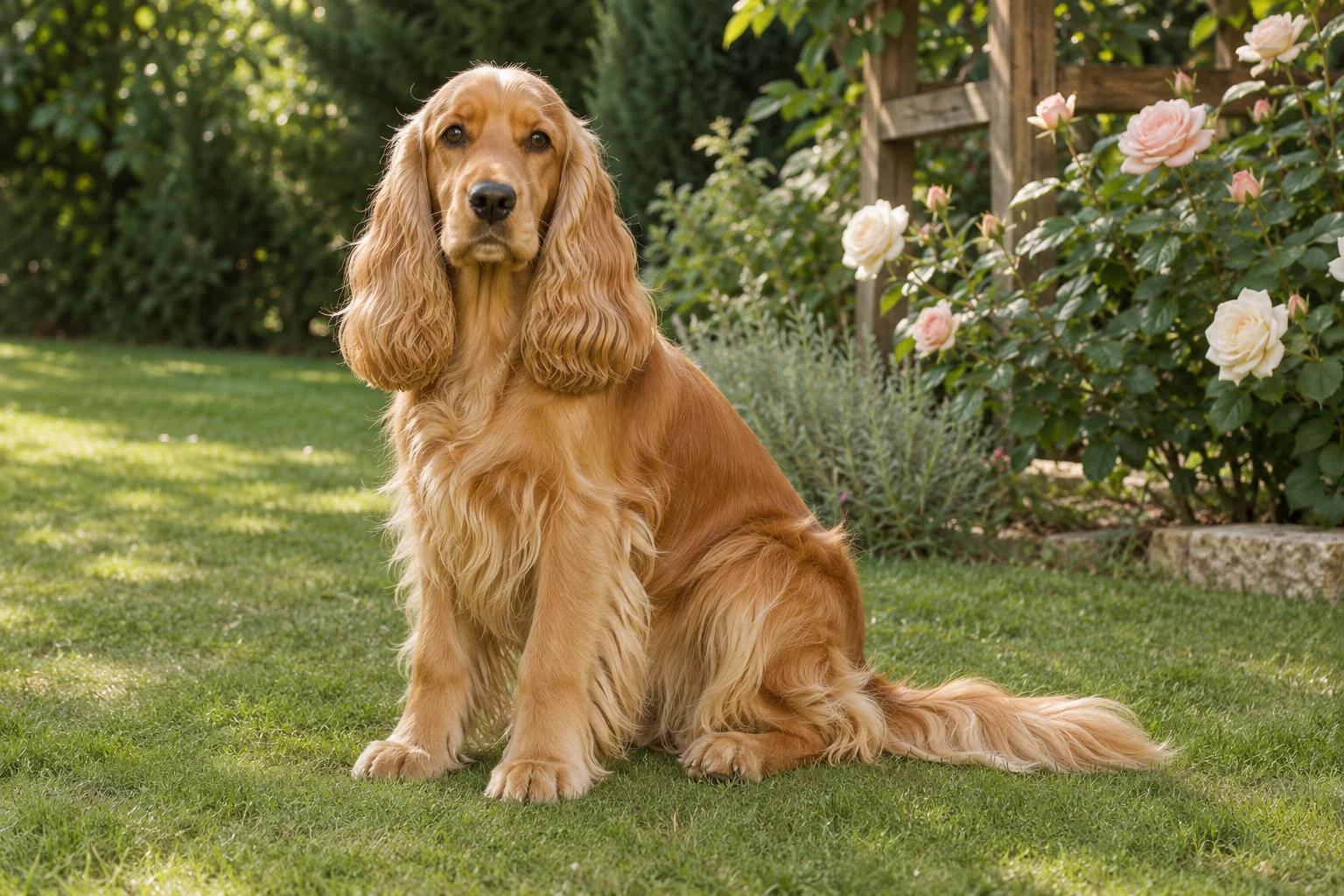
English Cocker Spaniel vs English Springer Spaniel is a choice between two sporting spaniels, not between an active dog and a decorative alternative. The Cocker offers a smaller package; the Springer generally asks you to accommodate more dog in the car, on the lead and in the house. That difference is useful, but it cannot decide which individual will fit your daily routine.
Start with the English Cocker Spaniel profile and the English Springer Spaniel profile. Then compare actual adults, their ordinary schedules and the practical arrangements you would provide. A name or photograph cannot show how a dog handles your working day.
English Cocker Spaniel vs English Springer Spaniel: size first
The AKC English Cocker standard gives male heights of 16–17 inches and weights of 28–34 pounds; females are 15–16 inches and 26–32 pounds. The Springer standard gives ideal heights of 20 inches for males and 19 inches for females. The current My Breed Atlas Springer profile lists adult weights of 45–55 pounds for males and 40–50 pounds for females. These are reference descriptions, not a prediction for a particular puppy.
For an owner, the useful exercise is to measure the space in which the adult dog must travel and rest. Do not order a crate from the breed name alone. Check the individual dog's dimensions and the equipment manufacturer's fitting guidance. Make sure the travel arrangement still leaves room for the people and supplies who normally share the car.
A larger adult also changes practical handling. Think about getting through a narrow entrance, drying the dog after a wet walk, and arranging assistance if the dog cannot manage a familiar route. These questions are not reasons to reject a Springer. They are reasons to plan beyond the puppy stage before choosing either breed.
Compare a whole day, not a single walk
The Cocker standard presents a compact flushing and retrieving dog; the Springer standard emphasizes a sporting build capable of endurance and agility. Neither description supplies a universal number of minutes that will satisfy every dog. Ask what a normal day looks like for the adult relatives or the adult dog you are considering.
Get the sequence, not just the total: when outings occur, what happens afterward, how often training appears in the day, and how the dog occupies quiet periods. “We walk a lot” could describe leisurely sniffing, structured training or demanding field activity. Those are not equivalent commitments for a new owner.
Our profiles place the Springer's activity tendency higher than the Cocker's, but a reference tendency is not a guaranteed ranking between two dogs. A useful question is which routine you could sustain in a week of rain, meetings and short winter daylight. If your plan only works during a holiday, it is not yet an ordinary ownership plan.
Training needs are shared; starting points are individual
Searching English Springer Spaniel vs English Cocker Spaniel often produces a winner for obedience. That is less useful than asking which skills each dog has already practiced. See whether a prospective adult can pause at a doorway, respond to its handler outside, and settle after an outing. Ask what support will be available while you learn its cues.
For either breed, write down the situations that matter most in your household. A dog travelling to an office needs a different set of rehearsals from one joining rural walks. Prioritize lead manners, comfortable handling and returning when called under suitable management before adding elaborate activities. A busy sporting dog still needs to learn when the activity ends.
When meeting puppies, resist choosing from one moment of enthusiasm or sleepiness. Ask how the breeder observes them over time and what the parents are like away from a greeting. You are gathering context, not conducting an instant personality test. For an adult rescue, discuss the setting in which behavior was observed and what remains unknown.
Coat decisions should include the cleanup
The English Cocker has a silky, medium-length body coat with feathering; the Springer has a medium-length outer coat, undercoat and feathering. Both require a maintenance plan. Neither becomes maintenance-free because another spaniel carries more visible coat in a photograph.
Ask to see the dog before an ordinary grooming appointment, not only immediately after one. Discuss which areas need regular attention, what the owner does between visits, and how long the current finish takes to maintain. The most helpful comparison may be between two actual coats rather than two idealized show outlines.
Think through your route home after a wet outing. Where will the dog stand? Where are towels kept? Can you check the longer hair without blocking the only doorway? Space and routine can make care easier, but they do not do the work themselves. If you will use a professional groomer, include that recurring commitment in your budget from the start.
English Cocker Spaniel or English Springer Spaniel for your home?
Choose questions that can change your decision. If transport space is limited, verify the fit for the larger adult first. If the biggest constraint is time, compare documented routines rather than assuming that the smaller dog requires little engagement. If regular grooming is the concern, ask for a demonstration on each dog instead of comparing glossy pictures.
For a household with existing animals, discuss the prospective dog's actual experience and make a supervised introduction plan. Neither spaniel label establishes compatibility. Similarly, a friendly approach to an adult visitor does not establish how the dog will behave in every family setting. Provide supervision and a quiet retreat rather than relying on a breed reputation.
The breed match quiz can help organize priorities, but it should lead to better questions rather than replace meeting dogs. If “Cocker” itself is ambiguous, read our English and American Cocker comparison. The present comparison concerns the English Cocker, not the American Cocker under a different haircut.
The main difference between English Cocker Spaniel and English Springer Spaniel for many owners is the combination of adult size and the routine they can comfortably provide. Use those constraints to narrow the choice, then ask which actual dog has the background and daily needs that fit. Leave room to decide that neither candidate matches the life you can offer right now.
Sources and further reading
- AKC English Cocker Spaniel standard, checked 2026-11-15.
- AKC English Springer Spaniel standard, checked 2026-11-15.
- AKC English Cocker Spaniel, checked 2026-11-15.
FAQ
Which is bigger, an English Cocker or an English Springer?
The English Springer is generally larger. Check the actual adult dog against your car, sleeping area and equipment rather than buying from a breed label alone. For a puppy, ask to see adult relatives and discuss likely practical needs without treating a standard figure as a guarantee.
Is the English Cocker the low-exercise option?
An English Cocker is still a sporting spaniel, not a no-exercise alternative to a Springer. Compare the individual dog's routine and your sustainable schedule. The smaller adult size can simplify some logistics without removing the need for outings, training and engagement.
Which spaniel needs less grooming?
Do not decide grooming workload from the name alone. Both breeds have feathering and need regular care, while coat amount, chosen finish and outings affect the work. Ask an experienced groomer to explain the upkeep of the particular dogs you are comparing.
Sources behind this article
- AKC English Cocker Spaniel standard ↗
- AKC English Springer Spaniel standard ↗
- AKC English Cocker Spaniel ↗
Article source checked: November 15, 2026. Source checked 2026-11-15
Keep reading

Affenpinscher vs Brussels Griffon: Everyday Differences
Read article →