English Cocker or American Cocker: the visible differences
Compare English and American Cocker Spaniel size, muzzle and coat, and learn what those visible differences cannot tell you about an individual dog.
First establish which name is being used
In the American Kennel Club's naming, Cocker Spaniel refers to the American breed, while English Cocker Spaniel names the other breed. “Cocker” on its own can therefore be an incomplete description in an international conversation. The AKC recognized the English Cocker as a separate breed in 1946. These are not simply two haircuts applied to the same registry entry.
Use the full breed name when comparing profiles or contacting an organization. On My Breed Atlas, the Cocker Spaniel and English Cocker Spaniel have separate profiles. That distinction keeps your reading attached to the intended breed without assuming that a casual label establishes the ancestry of a particular dog.
Compare height and head, not just color
The English Cocker standard gives shoulder heights of 16 to 17 inches for males and 15 to 16 inches for females. The American Cocker standard's ideal heights are 15 inches for males and 14 for females, with a half-inch variation allowed around each. These are standard descriptions, not guaranteed adult measurements for a puppy.
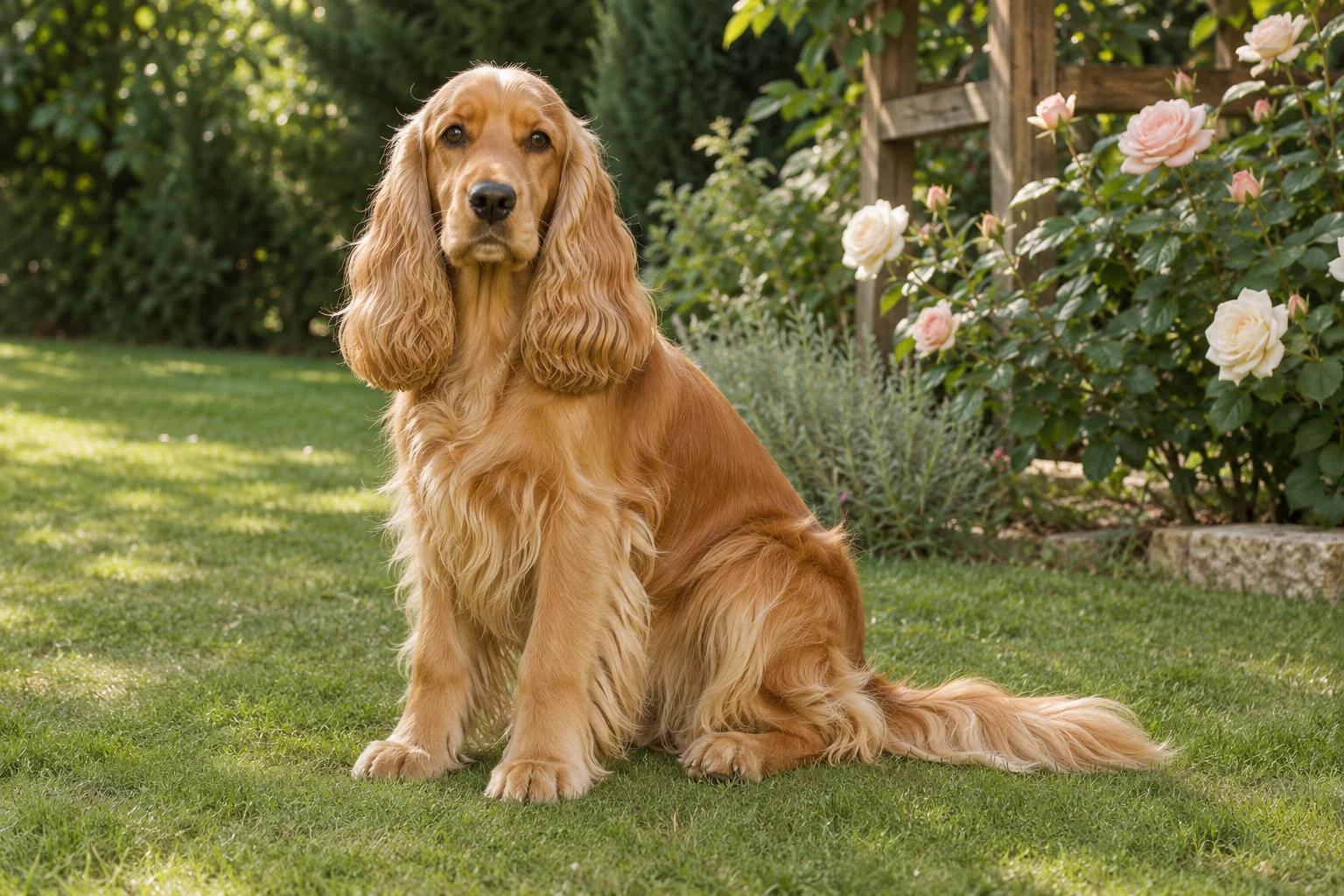
The muzzle provides another useful contrast. The English standard describes a muzzle approximately equal in length to the skull. The American breed has a relatively shorter muzzle and a more rounded head appearance. In a side view, compare the proportions instead of relying on a shared coat color or the familiar spaniel ears.
The coat changes the outline
AKC's comparison explains that American Cockers generally carry more coat, particularly along the legs and sides. English Cockers often present a less heavily furnished outline, though coat amount varies. Both have silky coats and require care. A recently trimmed individual may not resemble a show photograph, so an outline alone is not a dependable identity test.
These physical differences do not rank the dogs as better companions or establish an exercise prescription. When meeting a prospective dog, move beyond the comparison chart: observe how that animal responds in the actual setting, learn its current routine and consider the coat care you can maintain. A well-informed choice uses the breed distinction to organize the conversation while leaving room for the individual standing in front of you.
Sources behind this article
- AKC: English Cocker Spaniel vs. Cocker Spaniel ↗
- AKC: English Cocker Spaniel Standard ↗
- AKC: Cocker Spaniel Standard ↗
Article source checked: October 20, 2026. Source checked 2026-10-20
Keep reading
English Cocker Spaniel Training: Everyday Skills
Read article →