English Cocker Spaniel Grooming: A Practical Routine
Plan English Cocker Spaniel grooming, coat checks and groomer visits around your dog’s feathering, outings and comfort.
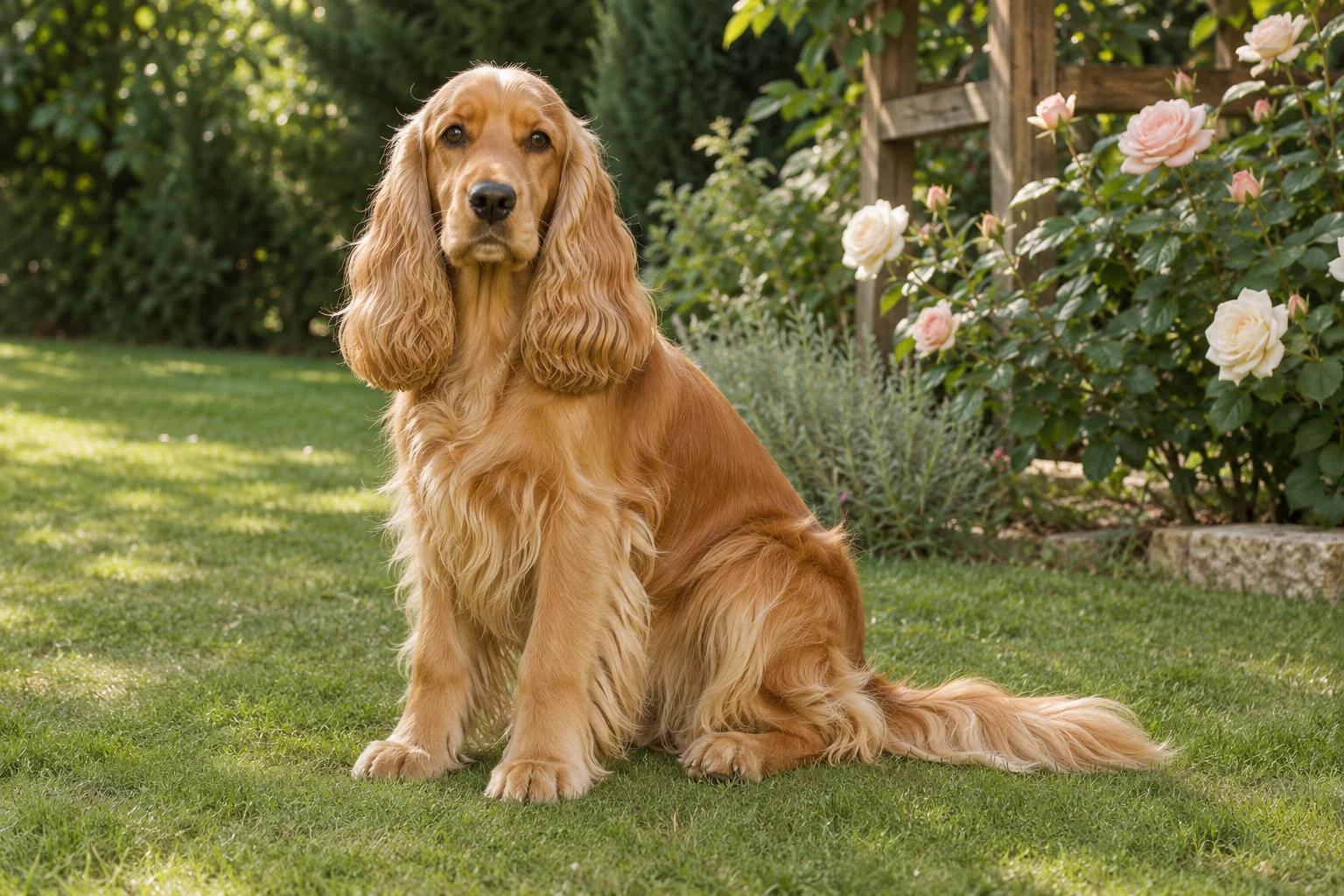
English Cocker Spaniel grooming is less about copying a show photograph than keeping a silky, feathered coat manageable between appointments. An attractive finish is a bonus; the practical questions are whether the coat can be checked comfortably, whether the dog can move freely, and whether you can maintain the chosen length through real walks and wet weather. A style that needs more work than your week allows is not a useful style for your household.
The English Cocker Spaniel profile places grooming alongside exercise and training. This guide turns that commitment into a workable conversation with a groomer, without giving medical ear-care instructions or a home clipping recipe.
English Cocker Spaniel grooming: understand the coat first
The AKC standard describes a medium-length body coat with a silky texture, lying flat or slightly wavy, plus feathering. It favors a natural outline rather than excessive furnishing. Those details explain why “brush the dog” is an incomplete instruction: different areas carry different amounts of hair, and a smooth-looking surface does not tell you whether the longer sections are manageable underneath.
Ask an experienced groomer to demonstrate the difference between brushing the surface and checking a section with a comb. Watch the technique on your own dog if possible. The right amount of pressure is easier to learn through a demonstration than through a list of tools. Buying every item used by a show exhibitor does not provide the handling experience behind those items.
English Cocker Spaniel coat care should begin with an honest inventory: where is the longest hair, which areas are hardest for your dog to have touched, and what gets wet or dirty after your usual route? A city pavement routine and a muddy woodland routine may call for different maintenance decisions even when the dogs share a breed.
Build your routine around the outing
Set up a small return-home station with a towel, good lighting and whatever brush or comb your groomer recommends. Put it somewhere the dog can stand securely. If the equipment lives in three separate cupboards, the coat check is more likely to be postponed until bedtime, when both of you have less patience.
After an outing, look through the longer coat for visible debris before it disappears into the furnishings. Check gently rather than pulling through resistance. Make note of the spots that repeatedly collect material. These observations let you discuss practical trimming at the next appointment instead of asking vaguely for “less hair everywhere.”
Divide routine work into small areas when needed. A comfortable check of one side followed by a break may be more achievable than a single ambitious session. Keep track of what you completed so that one easy area does not receive all the attention while a difficult area is skipped every time.
English Cocker Spaniel shedding also belongs in the household plan. Regular grooming does not make the breed non-shedding. Use washable covers where the dog rests and decide where drying will happen after wet walks. Hair on upholstery and tangles in feathering are different problems; more vacuuming cannot substitute for coat care.
Choose a frequency through evidence, not a calendar alone
The English Cocker Spaniel Club of Canada recommends frequent brushing and combing and learning trimming from a breeder, mentor or professional. Its suggested professional appointment range is six to twelve weeks. Treat an appointment interval as a starting discussion, not permission to ignore the coat between visits. Your groomer can help adjust the plan to the coat you actually have.
For a week or two, record which checks uncover resistance, how long comfortable sessions take, and what the dog did that day. If the longer hair is becoming difficult well before the next booked visit, either the home routine or the chosen style needs changing. Simply booking the same appointment again will not fix the mismatch.
Avoid using a single tidy photograph as the only instruction. Bring a picture if it helps communicate your preference, but explain your available maintenance time and usual terrain too. Ask what work the proposed finish requires at home. A good consultation should leave you with both an appearance plan and a maintenance plan.
Bathing and trimming need their own preparation
The Canadian club advises that the coat should be thoroughly combed and free of mats before the bathing and trimming sequence it describes. If you cannot work through an area comfortably, get professional help rather than trying to hide the problem under a bath. Tell the groomer where resistance occurs and how the dog reacts.
For ordinary bathing, ask which dog-appropriate products and drying method suit the individual coat. Prepare towels and a secure surface before starting. Do not improvise around the eyes or ear canals. Cleaning solutions, persistent odors, irritated skin or ear discomfort are subjects for a veterinarian, not a reason to copy an online procedure intended for another dog.
Learning how to groom an English Cocker Spaniel does not mean you must learn every trimming technique at once. You can become reliable at comfortable checks and between-visit care while leaving cutting tools to an experienced professional. Do not cut blindly into a mat close to the skin or work with sharp tools around a moving dog.
Make the groomer handover specific
Explain what happened since the last visit: muddy trips, areas you could not comb, changes in tolerance and the home care you actually completed. A brief factual account is more helpful than apologizing for an untidy coat. Ask the groomer to show one manageable improvement you can make before the next appointment.
Write down the agreed finish in plain words and take a photograph afterward for future reference. Include what was left longer and what was shortened, without assuming a haircut name means the same thing in every salon. Keep medical concerns separate and pass relevant veterinary guidance to the groomer when appropriate.
The breed match quiz can help you consider whether regular coat work fits your routine. For questions about the two Cocker breeds rather than haircut choices, see English Cocker or American Cocker: the visible differences. A different trim does not change which breed a dog is.
Sources and further reading
- AKC English Cocker Spaniel standard, checked 2026-11-15.
- English Cocker Spaniel Club of Canada: Grooming and Care, checked 2026-11-15.
FAQ
How often should an English Cocker Spaniel be groomed?
English Cockers need ongoing coat checks and regular brushing or combing, with professional maintenance adjusted to their coat and home routine. The Canadian breed club suggests professional visits every six to twelve weeks for owners unfamiliar with trimming. Ask your groomer whether that interval suits your dog.
Does an English Cocker Spaniel shed?
Yes, an English Cocker Spaniel sheds. Plan for loose hair as well as maintenance of the longer coat. Brushing, appropriate grooming and household cleaning serve different purposes; none provides a guarantee of a hair-free home.
Can I do all the grooming at home?
You can learn routine coat checks and maintenance, but trimming requires suitable technique and safe handling. Start with a demonstration from an experienced breed groomer or mentor. Leave difficult mats and unfamiliar cutting work to a professional, and ask a veterinarian about pain or skin and ear concerns.
Sources behind this article
Article source checked: November 15, 2026. Source checked 2026-11-15
Keep reading

Affenpinscher Grooming: A Practical Coat-Care Routine
Read article →