Planning a Donskoy’s bathing routine with a veterinary team
Build your Donskoy’s skin-care plan with the vet, recording products, reasons for washing and what should prompt review instead of a fixed schedule.
Start with this cat’s coat and skin
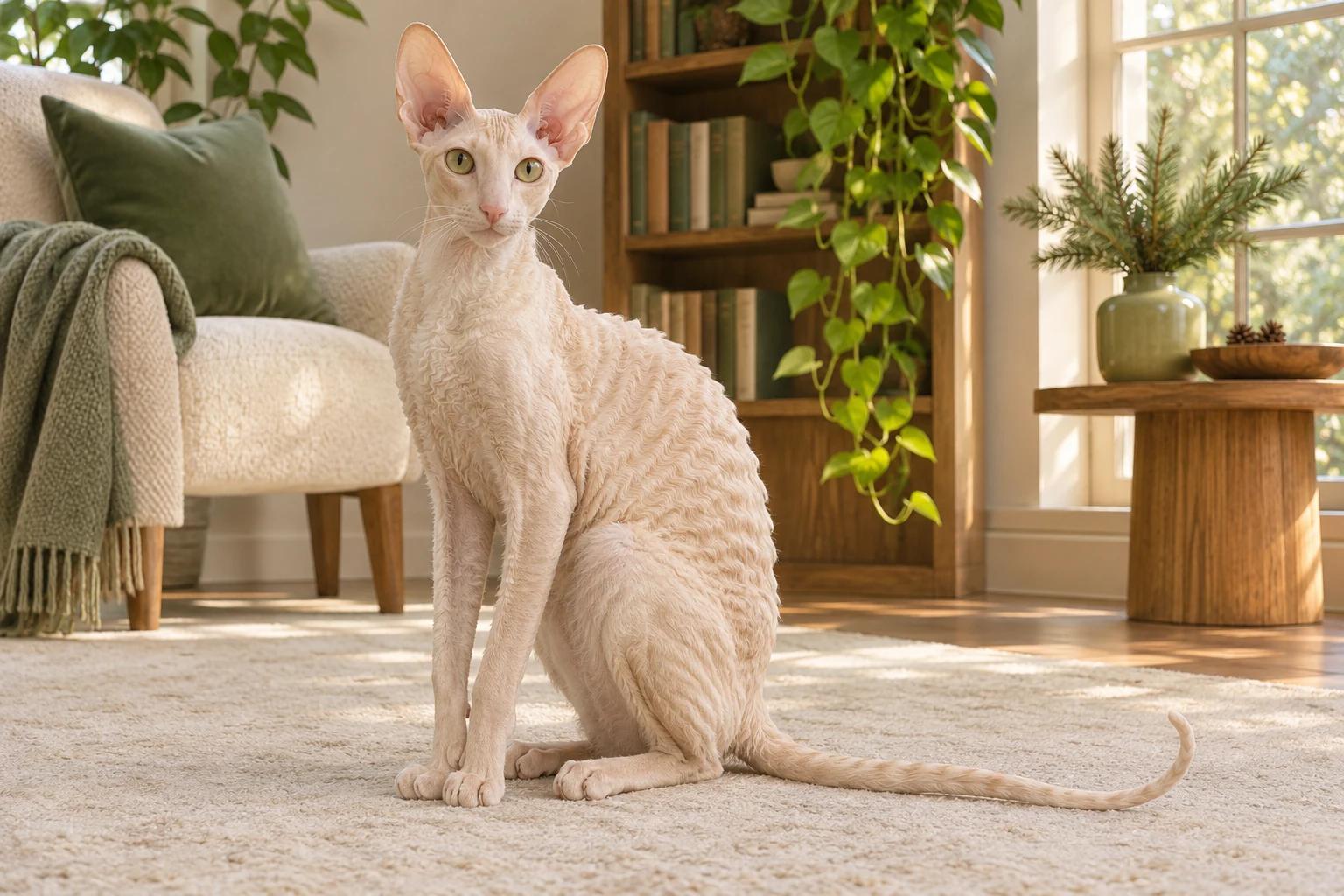
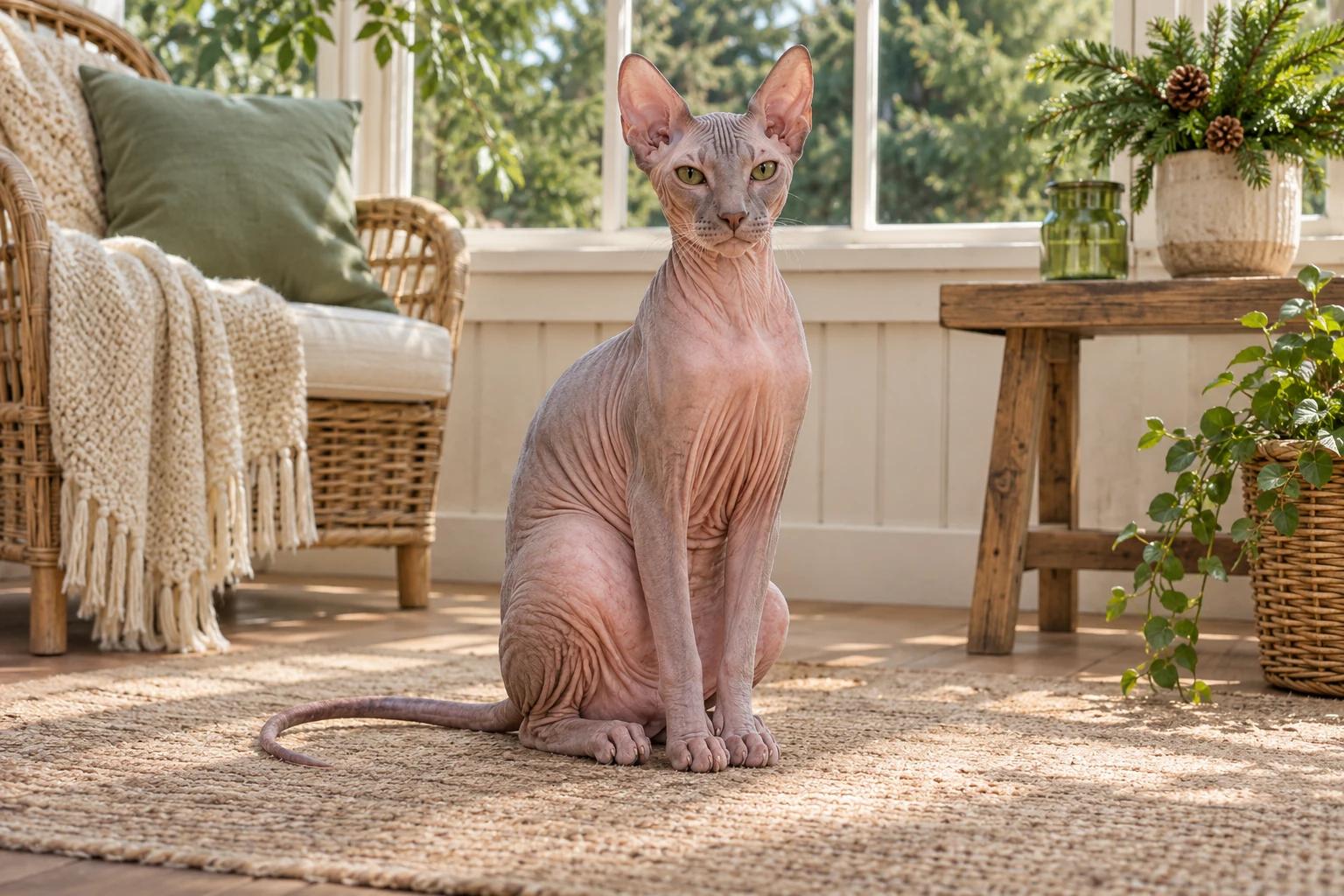
TICA describes several Donskoy coat types, including cats with some retained hair. Do not assume that a routine described for a completely hairless cat will automatically fit yours. At the first care discussion, explain what coverage your cat currently has and any routine you were given, without converting a breed category into a medical assessment.
Bring your practical questions to the veterinary team: whether washing is needed, what it is intended to address and how you should recognise a concern between visits. An owner may want a neat weekly timetable, but the plan needs to begin with the individual. Keep previous advice as context so the team can explain any changes rather than leaving you to reconcile conflicting instructions alone.
Record the purpose of each product
Cats Protection notes that hairless cats can have skin difficulties and recommends veterinary advice for unfamiliar skin changes. If your Donskoy has a new concern, do not respond by adding more washing or several new products at once. Describe the change, when it appeared and what has touched the skin recently.
Ask the vet to identify each recommended product’s purpose and whether it is routine care or part of treatment. Keep its label and instructions with the care record. A product being marketed for hairless cats does not establish that it is suitable for this individual, and a household cleaner or a product for another species is not a substitute for professional guidance.
Agree on handling and stopping points
If washing is part of the plan, ask the team to demonstrate the appropriate method and explain what would make you stop. Tell them if the cat has previously struggled with water or handling. You should leave knowing what you can reasonably do at home and which situations need professional help, rather than expecting to learn through repeated difficult attempts.
Write instructions in the form another carer can follow: what to use, what not to add, when to contact the practice and where the original directions are kept. Do not turn a prescribed product into a permanent routine without asking. This article deliberately leaves technique, frequency and any treatment decisions to the professional who has assessed your Donskoy.
Review the plan rather than automatically intensifying it
Keep brief notes about why each wash was done and anything that prompted a call. If the same issue repeatedly returns, share the pattern with the vet instead of shortening the interval yourself. A photograph taken without distress can help explain a visible change, but the picture alone cannot establish whether the skin is healthy.
Arrange the next review as advised and keep ordinary comfort needs in view alongside hygiene. Your Donskoy’s care should remain manageable for the household and appropriate for the cat. The goal is a clear, individual plan with an identified reason for each step, not matching the bathing schedule of a different hairless breed or demonstrating that a particular product works for every cat.
Sources behind this article
Article source checked: October 22, 2026. Source checked 2026-10-22
Keep reading
Keeping a Sphynx comfortable through changes in room temperature
Read article →