Dachshund vs Basset Hound: choosing everyday fit
Compare Dachshund vs Basset Hound size, daily routines, training and home logistics before choosing the individual dog that fits.
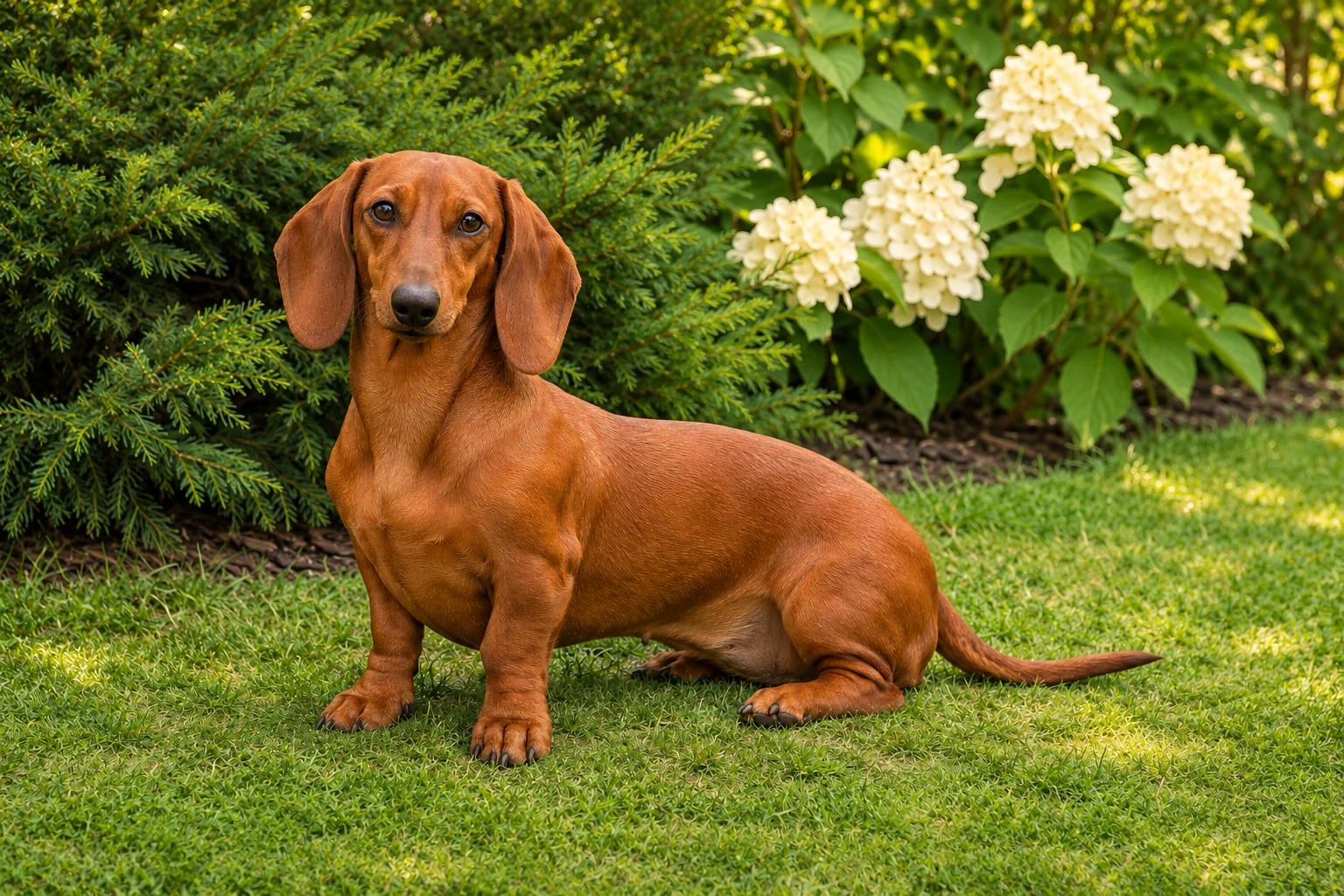
Dachshund vs Basset Hound begins with a misleading resemblance: both are low to the ground, but they do not make the same demands on a household. Size, handling, daily pace and care arrangements deserve a closer look than the shared long-bodied silhouette.
The Dachshund profile and Basset Hound profile provide the reference details. Use them to prepare questions about real dogs. A breed comparison should help you identify practical differences, not produce a winner that is supposed to suit every owner.
Dachshund vs Basset Hound: start with weight, not height
The Atlas profiles list standard Dachshunds at 16–32 pounds and miniature Dachshunds at 11 pounds and under, using the American size categories. The current combined Dachshund header gives 8–32 pounds; the variety descriptions above should not be read as sex-specific ranges. Basset Hounds are listed at 53–77 pounds. The difference matters when you plan transport, equipment and help with routine handling.
A low dog is not necessarily a light dog. Before choosing a Basset, consider whether the people who will share care can manage that individual's size. Before choosing a Dachshund, remember that being easier to carry does not remove the need for suitable handling and a well-organized home.
Measure the available vehicle space and resting areas. If you already own a carrier or bed, do not assume it fits because the last dog looked similar. Ask for the candidate dog's actual measurements where available, and seek advice on appropriate equipment and handling rather than improvising.
Shared entrances can reveal the real difference
Picture your route from living room to pavement. It might include a lift, several doors, a narrow landing or a flight of stairs. Discuss that route with the dog's caregiver and veterinarian. The important question is whether you have a practical arrangement, not whether a breed is generally called suitable for a flat.
Basset Hound vs Dachshund energy and pace
Both breeds need suitable daily movement. Compare the individual dog's pace and established routine rather than prescribing exercise from a breed ranking. Age, condition and experience belong in the planning conversation.
Ask to hear about a normal weekday rather than the caregiver's most memorable outing. Where do walks happen? How much preparation is involved? What happens afterward? Which parts of the day are interactive and which are quiet? These questions reveal whether your preferred pace resembles the dog's established routine.
If you enjoy a highly scheduled walk with few pauses, discuss that preference honestly. If you prefer unhurried outings, make sure you can still provide the teaching and practical care that sit around them. Neither dog is simply a decorative companion for a particular walking style.
Try walking your likely routes at the times you would use them. Note places to pause, narrow sections and crowded entrances. A suitable neighborhood routine is often more valuable than occasional access to a beautiful destination far away.
Personality labels are not a substitute for examples
The AKC Dachshund overview describes a bold, lively dog. Its Basset Hound overview presents a more low-key hound that can be independent. These broad descriptions are starting points for observation, not guarantees of a particular mood at home.
Ask a caregiver to explain what happens when a visitor arrives, when the dog is asked to leave an interesting place and when the usual schedule changes. Listen for the management that makes those moments work. “Easygoing” tells you less than a description of how the dog spends an afternoon.
Meet the individual without trying to stage a temperament test. Watch an ordinary transition, such as getting ready for a walk or returning home. Ask what is typical and what is unusual about that day. One brief meeting cannot answer every compatibility question, but it can make your next questions more precise.
Training, noise and the people next door
Both profiles flag a relatively vocal tendency. Do not choose either breed on the assumption that short legs mean a quiet household. Ask what triggers the particular dog's vocalizing and what arrangements the current caregiver uses.
In shared housing, examine your actual sound environment. Does the front door open directly onto a busy corridor? Can the dog see every passerby through a low window? A quieter resting location and a clear training plan may matter more than broad claims about which breed barks less.
For learning, ask a reward-based trainer how they would help you establish everyday skills. Compare your willingness to practice, not just the dog's supposed ease of training. Useful priorities might include preparing for walks, comfortable care handling and waiting away from an entrance.
If your household has several caregivers, agree on words and routines before the dog arrives. A comparison between breeds will not solve a situation where each person expects a different response to the same cue.
Care costs: request the quote for the actual dog
The Dachshund's coat variety changes the grooming discussion. Read the existing Dachshund coat guide rather than assuming all Dachshunds need the same appointments. Describe the actual coat and condition when requesting a service estimate.
For either breed, ask which routine tasks you can learn and which require professional support. Have the caregiver show the supplies currently used and explain the dog's experience with handling. A neat photograph gives little information about the time and cooperation behind it.
Build a budget around local quotes rather than invented breed-wide costs. Include veterinary care, training, equipment, grooming where relevant and travel care. Ask providers whether the dog's size or particular service needs change the quote. Keep a separate allowance for unexpected costs without pretending a breed comparison can forecast them.
Dachshund or Basset Hound: decide with a practical shortlist
Write three things your home must be able to support and three things you cannot reasonably accommodate. These might involve transport, a work schedule or access to a dependable caregiver. Keep them specific enough to discuss with a breeder or rescue organization.
The difference between Dachshund and Basset Hound ownership is most useful when it changes a real decision. If transport is difficult for the larger dog, solve that before committing. If a particular Dachshund's routine conflicts with your absences, do not let smaller size distract from the mismatch.
Use the breed quiz to clarify preferences, then compare actual candidates with your shortlist. The better choice is the dog whose needs you can meet consistently, with enough information to understand the commitment.
FAQ
Is a Basset Hound just a larger Dachshund?
No. The breeds have distinct reference profiles, and the Basset's substantially greater listed weight changes handling and transport planning. Compare the individual dog's routine and care needs rather than treating the shared low outline as equivalence.
Which breed is quieter?
Neither profile supports choosing on an assumption of silence. Both have relatively high vocal-tendency ratings. Ask about the particular dog's triggers, current routine and behavior in a home resembling yours.
Which breed fits a smaller home?
Floor area alone does not decide suitability. Consider entrances, transport, rest space, noise, activity arrangements and time with caregivers. The dog's actual routine is more useful than a blanket label about apartment suitability.
Sources behind this article
- American Kennel Club: Dachshund ↗
- American Kennel Club: Basset Hound ↗
- SKK judges’ guide average reference — adult-weight reference ↗
Article source checked: November 15, 2026. Source checked 2026-11-15Article source checked: November 18, 2026. Source checked 2026-11-18
Keep reading

Affenpinscher vs Brussels Griffon: Everyday Differences
Read article →