Dachshund coat types: what each means for care
Compare smooth, longhaired, and wirehaired Dachshund coats through grooming questions, household routines, and the care commitments behind each appearance.
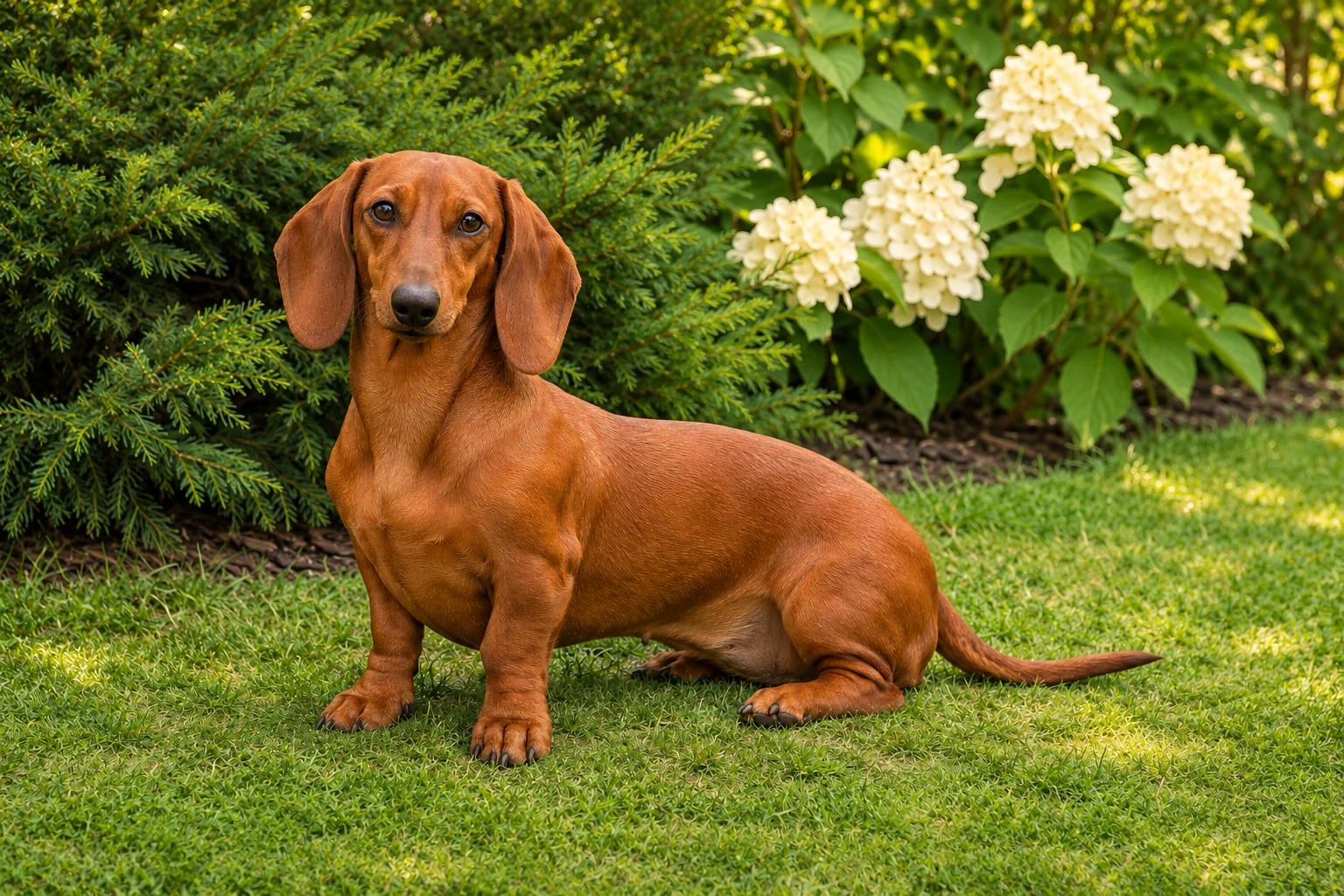
Understanding the three Dachshund coat types
In the AKC/U.S. classification, Dachshunds have two size categories, standard and miniature, and three coat varieties: smooth, longhaired, and wirehaired. Size categories differ by registry: the FCI standard recognizes standard, miniature, and rabbit Dachshunds. The AKC ownership guide notes that longhaired and wirehaired dogs need more regular grooming than smooth-coated dogs. Coat variety therefore changes the care conversation before you choose a favorite appearance.
Begin with a photograph you like, then deliberately set it aside. Ask what it took to prepare that dog for the picture and what happens between appointments. A freshly finished coat shows an outcome. It does not show the owner’s tools, the time spent learning, or the dog’s comfort with handling.
Compare the work behind each coat
Smooth: the short coat generally involves less grooming than the other varieties, but still needs routine care. AKC brushing guidance identifies a bristle brush or rubber grooming mitt as options for removing loose hair and dirt from short coats. Ask for a demonstration with tools suited to this dog; a short coat does not remove the need to check the skin or maintain nails.
Longhaired: plan for frequent brushing of the longer coat, with professional grooming when needed, as the Dachshund Club of America advises. AKC guidance explains that brushing removes loose hair and helps prevent matting in longer coats. Ask the groomer to show how to work through the coat gently and identify areas that need extra attention on your dog.
Wirehaired: frequent brushing also belongs in the routine, but managing the wiry coat raises another choice. AKC guidance describes hand-stripping as a specialist method of removing dead hair and notes that pet grooming can use other approaches. Discuss the individual coat and your aims with an experienced groomer before choosing a service. Hand-stripping is not a task to improvise from a written description.
Price the real appointment
Describe the dog’s variety and current coat condition when asking for a grooming estimate. Find out what the appointment includes, how far ahead you need to book, and how the groomer helps an inexperienced dog become comfortable. Put travel and drop-off arrangements in the budget alongside the fee. Do not assume another owner’s price applies to your location or dog.
If you hope to do more yourself, ask for instruction before buying a large kit. Write a short list of tasks you can carry out confidently and another list for professional help. Revisit it as you learn. This is an ownership plan, not a recommendation to copy show preparation or attempt unfamiliar work with sharp tools.
The coat is not the whole Dachshund
The AKC describes Dachshunds as active, independent hounds whose attention can be drawn toward prey. Grooming preferences alone cannot establish a match. Ask separately about the dog’s activity, handling history, and everyday behavior. When you can describe both the coat-care routine and the life attached to it, you are making a better-informed choice than one based on a favorite silhouette.
Sources behind this article
- American Kennel Club: Dachshund ↗
- American Kennel Club: Is the Dachshund a Good Fit for You? ↗
- FCI: Dachshund standard No. 148 ↗
- Dachshund Club of America: An Introduction to the Dachshund ↗
- American Kennel Club: How to Choose the Right Dog Brushes ↗
- American Kennel Club: Hand-Stripping Dog Coats ↗
Article source checked: October 19, 2026. Source checked 2026-10-19Article source checked: October 20, 2026. Source checked 2026-10-20
Keep reading
Dachshund training: small skills for daily life
Read article →