Dachshund exercise needs: planning a workable day
Understand Dachshund exercise needs and build a realistic routine of walks, exploration and rest without relying on a universal quota.
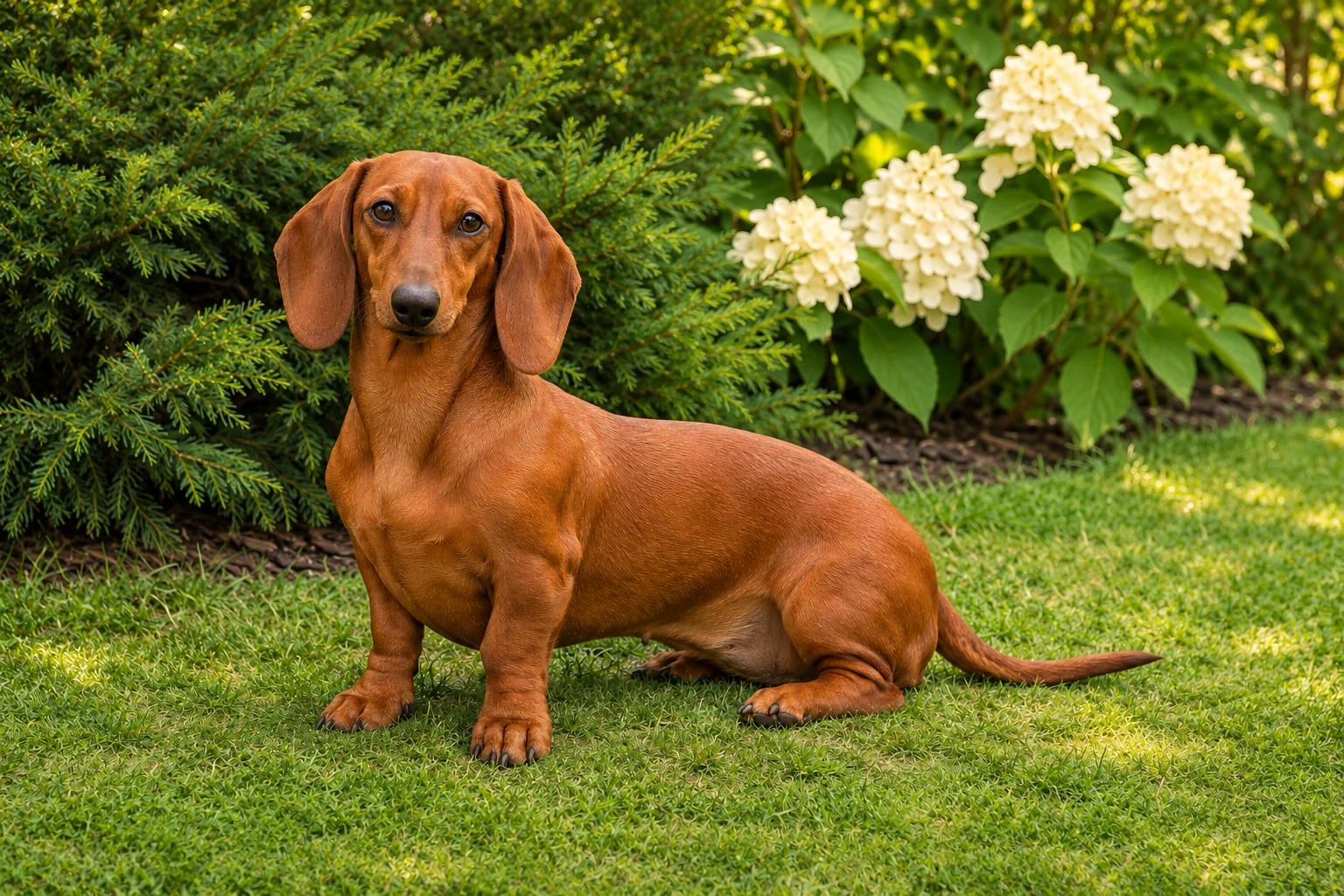
Dachshund exercise needs are easy to underestimate when a dog fits comfortably beside you on the sofa. They are also easy to oversimplify into a single number of minutes. A useful plan considers the individual dog's life stage, current routine, available routes and the person who will actually provide the outings.
Start with the Dachshund profile, which places activity in the middle of its reference scale. That is neither a prescription nor permission to skip daily activity. Your task is to turn a broad breed tendency into a repeatable schedule with professional advice where needed.
Dachshund exercise needs are more than a distance target
The AKC Dachshund ownership guide emphasizes regular exercise despite the breed's small stature. It also cautions against running stairs and jumping from furniture. Ask your veterinarian how to plan activity and manage your own home's layout rather than treating a breed article as an individual exercise prescription.
A distance total leaves out much of the outing. Two routes of equal length can differ in surface, slope, interruptions and opportunities to investigate. Write down those features before deciding one walk was more useful merely because the app recorded more steps.
Consider your own pace as well. A route that feels uneventful to a person can contain many stops for a dog. Build room into the schedule for those pauses instead of planning every outing around the fastest possible return home.
How much exercise does a Dachshund need?
There is no single duration suitable for every Dachshund. The AKC's general exercise guidance identifies age, breed and health as important factors and advises veterinary discussion for an appropriate routine. Bring details about your dog's current activity to that conversation rather than asking for a number in isolation.
Describe the surfaces you use, the longest uninterrupted outing and any changes you have noticed. Ask what types of activity suit this dog and what should prompt reassessment. This produces a plan you can apply more carefully than a generic internet quota.
Design a Dachshund daily walk around your neighborhood
Choose a dependable everyday route before looking for exciting destinations. Walk it yourself and notice narrow passages, difficult surfaces, steps, busy crossing points and places where you could turn back. A route with options is easier to adapt than one that commits you to a long loop.
Create a second route for crowded times. Perhaps your usual path becomes busy when school finishes or deliveries arrive. Knowing an alternative prevents the whole outing from turning into an improvised negotiation with people, vehicles and other dogs.
Put supplies where you will actually use them. A leash, waste bags and any other appropriate outing equipment should be reachable without searching through the house. Store a towel near the return point if weather regularly makes cleanup necessary. Reducing this small friction can make an ordinary routine more dependable.
If several people share walks, agree on the route names. “Short loop” means little if one person includes a hill and another does not. A simple map or written description helps everyone understand what the dog has already done that day.
Read the Dachshund activity level as a pattern
Keep a practical activity diary for a short period. Record outings, play, unusual events and rest. Do not try to turn every observation into a diagnosis. The purpose is to understand the routine and have specific information if you need professional guidance.
For example, note whether a difficult walk followed a noisy morning, a route change or an unusually busy household day. Those details can help a trainer discuss behavior in context. If you notice discomfort, a change in movement or unusual reluctance, contact your veterinarian rather than increasing activity to test the dog.
Include the human side of the record. Which outing is frequently missed because it clashes with work? Which route takes longer than expected? A plan that exists only on paper needs a scheduling change, not a more ambitious target.
Separate movement from constant excitement
You do not need to make every outing a special event. A predictable neighborhood walk and time to investigate may be easier to sustain than daily trips across town. Reserve new locations for times when you can manage the extra planning and observe how the dog responds.
At home, consider simple learning or search activities alongside physical outings. Ask a trainer to suggest options suited to your dog and available space. Do not assume an indoor game has to involve speed, furniture or jumping to count as worthwhile interaction.
Prepare for rain, meetings and changed plans
Make a backup plan before the morning when everything goes wrong. Who can handle an outing if your meeting runs late? Where can the dog spend time while wet equipment dries? What quieter indoor activity can you organize without scattering unsuitable objects around the floor?
Choose a backup caregiver who understands your dog's normal routine and any veterinary instructions. Give them route details and explain what has already happened that day. “Please exercise the dog” is less useful than a clear account of the agreed plan.
Weather may change which parts of the routine are practical. Check conditions before leaving and use your veterinarian's guidance for the individual dog. Do not force a planned distance simply because it appears on your calendar. Flexibility is part of maintaining a routine, not evidence that the routine has failed.
Plan beyond the walk itself
Budget time for preparation and the return home. Leash setup, getting through shared entrances and cleaning wet feet can take as much organization as choosing the route. If your schedule allows only the exact walking time, every small interruption becomes a problem.
Coat variety can also affect the after-walk routine. The separate Dachshund coat-care guide helps you prepare for that commitment without confusing grooming needs with activity needs. Ask a groomer about the practical cleanup suited to your dog's coat.
If you are deciding whether to bring a Dachshund home, test your proposed schedule before committing. Take the planned routes at the planned times for several days. You may discover that the midday route is crowded or that evening travel leaves too little room. Use the breed quiz to organize preferences, then compare them with this real-world rehearsal.
FAQ
Is one long weekend walk enough?
A weekend outing does not replace a workable everyday activity routine. Plan regular opportunities that fit your dog's veterinary guidance and your actual weekdays, rather than relying on occasional ambitious trips to make up for gaps.
Does a miniature Dachshund need no exercise?
Small size does not remove the need for activity, exploration and interaction. Discuss the particular dog's age, condition and current routine with your veterinarian instead of choosing a plan from size alone.
What if my Dachshund suddenly does not want to walk?
A sudden change deserves veterinary advice rather than an assumption about laziness or stubbornness. Record when it started and what you noticed. Do not use a longer outing as a test of whether the dog can be persuaded.
Sources behind this article
- American Kennel Club: Is the Dachshund a Good Fit For You? ↗
- American Kennel Club: How Much Exercise Does a Dog Need Every Day? ↗
Article source checked: November 15, 2026. Source checked 2026-11-15
Keep reading

Afghan Hound Exercise Needs: Build a Workable Active Day
Read article →