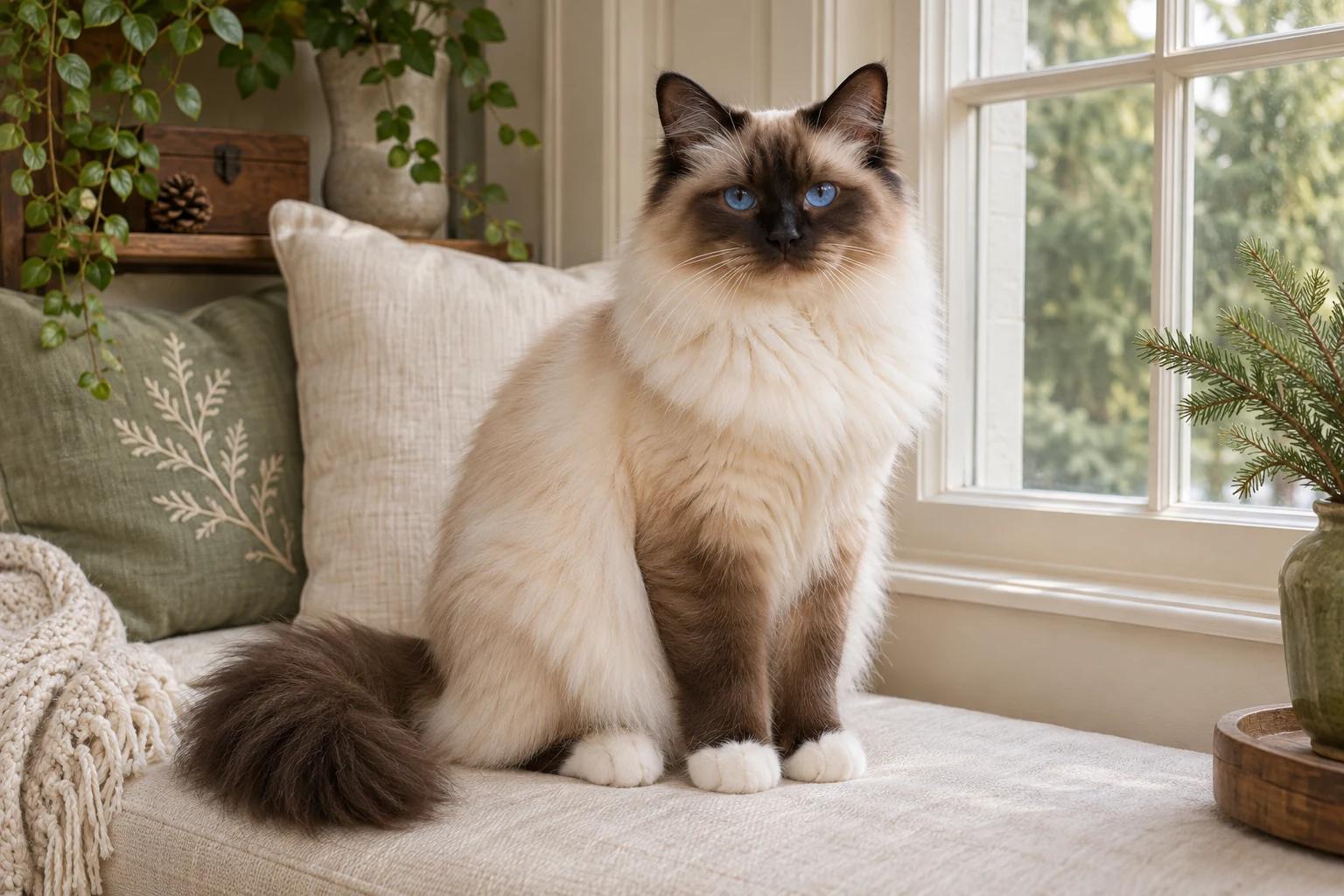
Giving a Cymric a quiet, accessible toilet area
Review your Cymric’s litter area for quiet access, suitable entry and clean resources, while keeping new toileting concerns on your vet’s agenda.
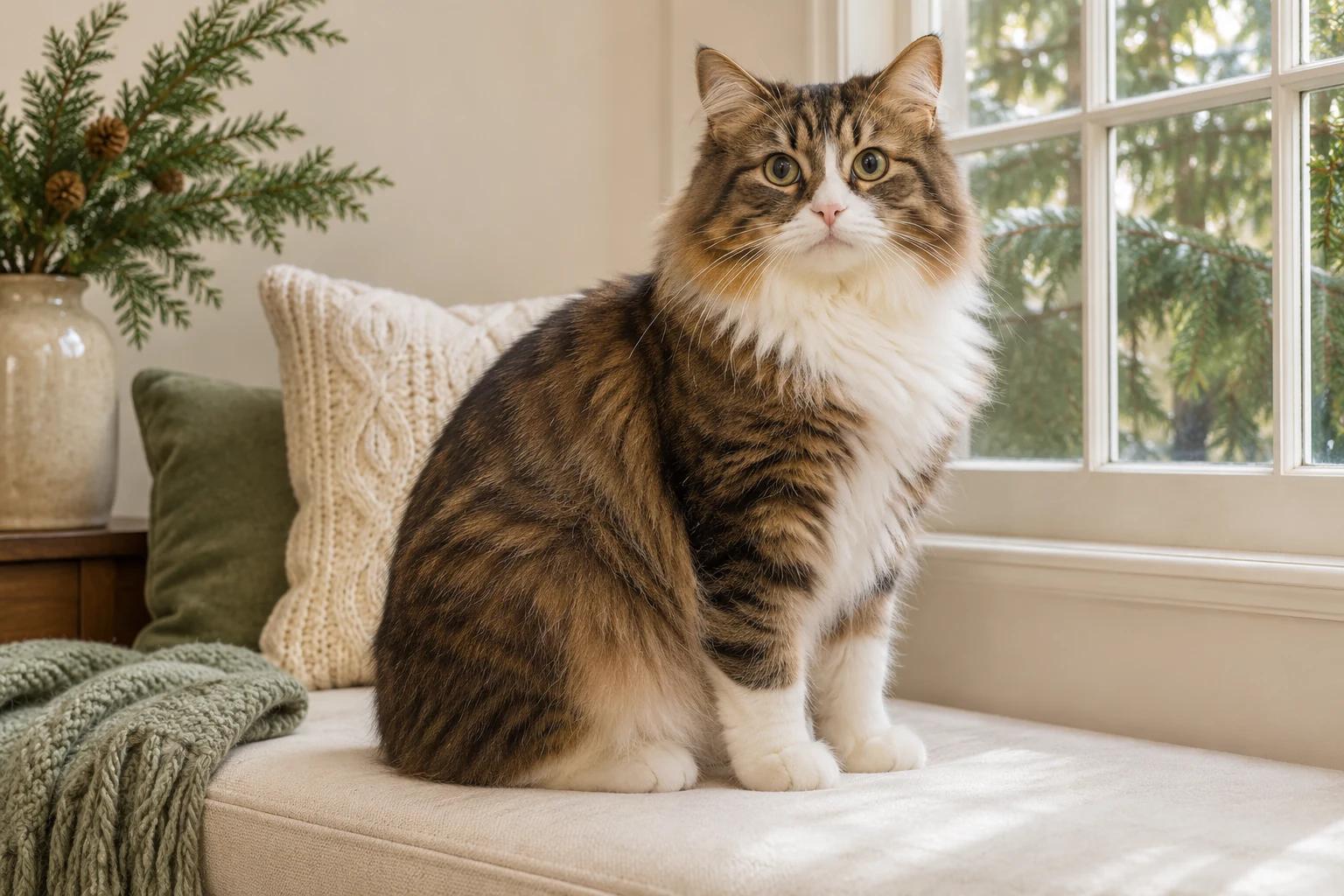
Look at the route as well as the tray
TICA describes the Cymric as the longhaired member of the Manx breed group. That identity does not tell you what tray an individual can use comfortably. Begin by watching the route from its usual resting place to the litter area. A suitable-looking tray may still be awkward to reach if the route passes noise, closed doors or another animal.
Walk the route at the times the household is busiest. Is a utility-room door normally shut during laundry? Does a child’s play area block the entrance in the evening? Write down these practical obstacles before buying a different tray. The aim is to understand access in daily use, not simply find the most discreet position from a visitor’s viewpoint.
Choose quiet without hiding the resource away
Cats Protection recommends placing trays away from noisy appliances and busy doorways, with separation from food and water. Quiet should still mean accessible. If the only private corner is difficult for the cat to reach, consider another arrangement rather than expecting it to navigate a challenging route whenever it needs the toilet.
In a home with more than one cat, distribute resources so one cat cannot control every approach. The charity recommends a tray per cat plus an additional one, in varied locations. Sketch where these could go in your own home. A row of trays in one narrow space does not offer the same choice of routes as separate locations.
Match entry to the individual
Cats Protection notes that trays need enough room to turn around and that low sides can help cats with mobility difficulties. Ask your vet about access if your Cymric appears hesitant or its movement has changed. Do not assume its tail appearance explains a problem or select an accessibility aid as a substitute for assessment.
Keep changes manageable so you can see what the cat uses. Record the tray type, location and any relevant advice you have been given. Maintain a cleaning routine shared with other carers; a resource that is easy to reach still needs attention. Avoid moving every tray and changing litter at the same time purely to create a tidier room.
Keep a care concern separate from a room redesign
A new toileting change deserves veterinary advice, as Cats Protection recommends. Do not punish the cat or delay the call while trying several household layouts. Explain what changed and ask how soon it should be assessed. If your cat struggles to pass urine or cannot pass urine, call your vet or an emergency veterinary service immediately for an emergency appointment, as PDSA advises. Do not wait to complete a diary or change the room layout.
After advice, review whether the arrangement works in ordinary life. Another caregiver should know where the resources are, which instructions came from the vet and what to report. The useful Cymric toilet area combines privacy, access and consistent care; it does not promise to prevent medical problems or assign a health condition based on the breed.
Sources behind this article
Article source checked: October 22, 2026. Source checked 2026-10-22
Keep reading
Choosing climbing furniture for a Norwegian Forest Cat
Read article →