Central Asian Shepherd Dog Size: Reading the Numbers
Understand Central Asian Shepherd Dog size, adult weight ranges and minimum heights, then plan suitable space, transport and equipment.
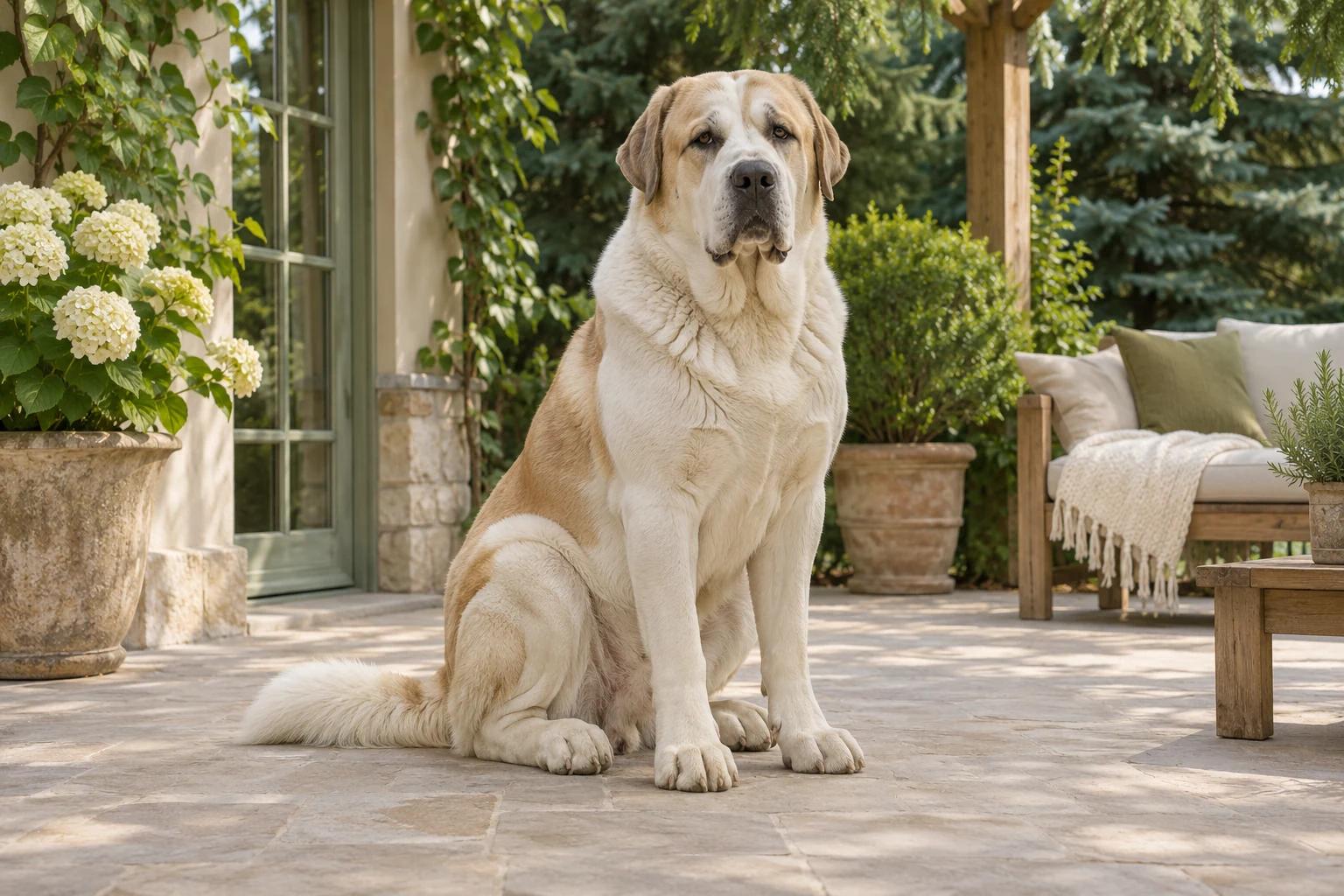
Explore the
Central Asian Shepherd Dog
Background, care, and everyday considerations.
View breed profile →Central Asian Shepherd Dog size calls for more than buying equipment labelled “giant.” The current breed profile lists an adult weight reference of 88–170 pounds, with different male and female ranges, while its height information is expressed as minimum measurements. Read what each number describes, then plan space, transport and handling around the individual dog rather than assuming a reference endpoint predicts its eventual size.
The Central Asian Shepherd Dog profile provides the site's current reference figures. Weight ranges and minimum heights are different kinds of information; neither tells you all the dimensions needed for a bed, vehicle or harness.
Central Asian Shepherd Dog size: reading the references
My Breed Atlas currently lists females at 88–140 pounds and males at 120–170 pounds. The overall 88–170-pound range combines those references. These are breed-level figures, not a promise about a puppy's adult weight or a limit that every individual must meet. The male and female ranges overlap, so sex alone does not tell you which of two dogs will be heavier.
The UKC standard gives minimum mature heights at the withers of 27.5 inches for males and 25.5 inches for females. These are standard measurements, not a survey reporting where most pet dogs fall. UKC breed standard.
The FCI standard describes the breed's substantial build and proportions. A standard describes a breed ideal; equipment still needs to fit the actual dog's length, width and weight. Do not assume a dog at one end of the site's weight reference has the same proportions as another at the other end.
Do not turn a reference weight into a feeding goal. Decisions about a dog's body condition, diet or growth belong in a discussion with your veterinarian. More weight is not automatically a desirable achievement.
Height is measured at the shoulders, not the head
Central Asian Shepherd Dog height is expressed at the withers, the shoulder region used for canine height measurement. It is not the height of the ears or the top of the head. A photograph of a dog standing beside a person does not reliably provide that measurement, especially when the camera angle or ground level differs.
If you need measurements for equipment, ask the supplier which dimensions their sizing system requires. Shoulder height alone may not answer a question about a travel enclosure, harness or resting space. Use the actual dog's measurements where possible, taken comfortably with help if needed.
Keep a record that identifies the dimension and unit. “Height: 70” is ambiguous; “shoulder height in centimetres” is useful. For purchases, retain the manufacturer's instructions with the measurements so another household member does not substitute a different method later.
A puppy's current measurement describes the puppy today. Check fit regularly as it grows rather than assuming one early purchase will remain suitable throughout adulthood.
Weight and body dimensions answer different questions
Central Asian Shepherd Dog weight matters when checking an item's stated load limit. Body dimensions matter when deciding whether there is adequate physical room. You may need both pieces of information for the same item, and neither should be replaced by a product photograph featuring a large dog.
For example, a transport accessory might have a stated maximum load while still being too narrow for comfortable use by a particular dog. Conversely, a large-looking platform may not be rated for the load you intend. Read the specifications and ask the manufacturer to clarify anything uncertain before relying on it.
Arrange access to a suitable scale through your veterinary practice rather than planning to lift a large adult onto household scales. Keep dated weight records for discussions with the veterinary team, not as a competition to produce the heaviest dog.
Avoid treating online claims about exceptional individuals as the baseline for ownership. A record-sized dog is not a useful substitute for knowing the dimensions, condition and needs of the one joining your home.
Plan the route through the house, not just the bed
When asking how big do Central Asian Shepherd Dogs get, many people picture the sleeping area first. Walk the entire route the dog will use: entrance, hallway, water station, resting place and outdoor access. Tight corners or furniture bottlenecks may matter more than the total floor area.
Choose a resting position that leaves a clear path for people carrying bags or laundry. Avoid a setup that requires everyone to step over the dog. A bed can fit a room mathematically while still being poorly located for daily traffic.
Consider cleaning and storage too. Where will wet walking equipment go? Can you reach the dog's resting area without moving heavy furniture? Is there a practical place for coat care on a nonslip surface? These details make the dog's physical presence easier to accommodate without turning every routine task into rearrangement.
If the household uses different floors, discuss access and any mobility concerns with your veterinarian. Do not wait until a dog cannot manage its usual route before considering how essential care could happen on one level.
Check vehicle access before the first necessary journey
Measure the usable travel space and the opening through which the dog will enter. A large cargo area is not helpful if the access arrangement is unsuitable for the dog or the restraint system you intend to use. Follow the equipment manufacturer's instructions rather than improvising from a breed-size estimate.
Think about parking as well as travelling. Can you load and unload with room to work and without opening directly into busy traffic? Where will you stand while attaching walking equipment? Practise the routine calmly before it is needed for an appointment.
Ask your veterinary team what assistance options to plan if the adult dog is injured or unable to move normally. This is a contingency conversation, not a recommendation to lift the dog in a particular way. Knowing whom to call and which vehicle can accommodate the situation is more useful than assuming someone will manage somehow.
Budget for fit, replacement and practical handling
Start a size-related checklist before buying equipment. Include measurements, rated limits, adjustment range and a date to review fit. Avoid ordering every item at once on the assumption that one “giant” label is standard across manufacturers.
Size also affects how the household teaches movement. Practise comfortable transitions through doors and into resting spaces rather than relying on physically moving an adult dog out of the way. Choose care providers who can discuss their facilities and handling arrangements clearly.
The breed quiz can help you consider those commitments alongside temperament and daily routine. For a separate working-role discussion, see Central Asian Shepherd livestock-guardian readiness; large stature alone does not establish suitability for that work.
FAQs
How much does an adult Central Asian Shepherd Dog weigh?
My Breed Atlas lists an overall adult reference range of 88–170 pounds: females 88–140 pounds and males 120–170 pounds. These figures describe the breed, not a guaranteed outcome or a weight target for an individual dog. Discuss body condition with your veterinarian.
How tall is an adult Central Asian Shepherd Dog?
The UKC standard gives minimum mature withers heights of 27.5 inches for males and 25.5 inches for females. These are minima, not a guarantee that every adult will fall within those two figures.
Should a puppy be fed to reach a standard weight quickly?
No. Breed-standard figures are not a puppy feeding plan. Discuss growth, food and body condition with your veterinarian rather than trying to reach a number rapidly.
Can I choose equipment from the breed name alone?
No. Measure the dog, read the manufacturer's fit instructions and check any stated load limit. A breed label or a photograph of a large dog does not establish that a product will fit or suit your intended use.
Sources behind this article
- UKC: Central Asian Shepherd Dog Standard ↗
- FCI: Standard 335 Central Asia Shepherd Dog ↗
- Embark adult reference — adult-weight reference ↗
Article source checked: November 15, 2026. Source checked 2026-11-15Article source checked: November 18, 2026. Source checked 2026-11-18
Keep reading
Central Asian Shepherd Dog Temperament at Home
Read article →