Carolina Dog temperament: understand the individual
Explore Carolina Dog temperament without romanticizing independence or mistaking reserve for a complete account of an individual dog.
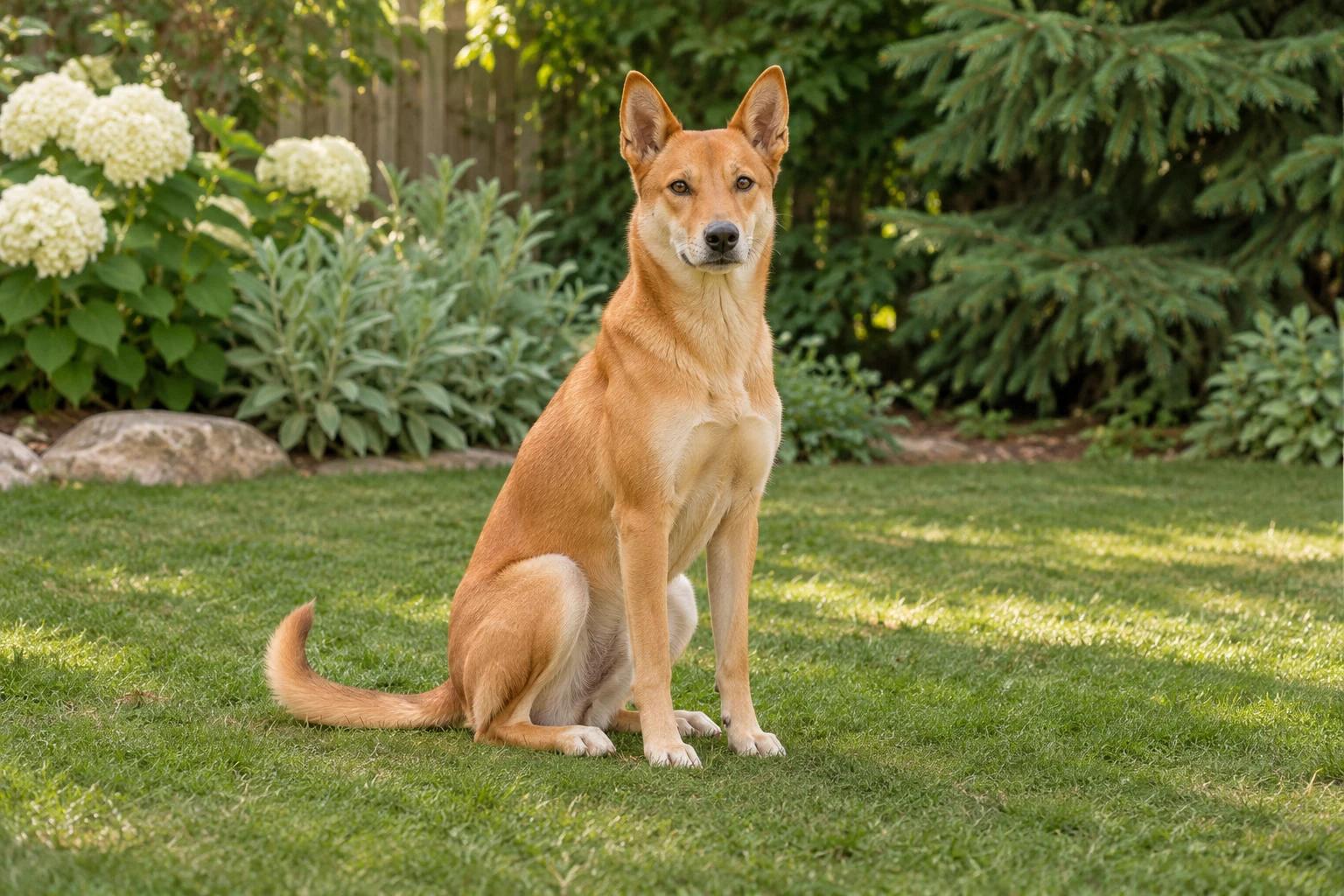
Carolina Dog temperament deserves a more careful discussion than either “wild dog” or “easy companion.” The Carolina Dog profile describes independence and reserve alongside ordinary needs for companionship, activity and learning. None of those words tells you exactly how a particular dog will respond to a new home.
The useful question is not whether you admire independence in the abstract. It is whether you are comfortable building a relationship without requiring constant physical affection or instant enthusiasm for every unfamiliar person. That distinction can change what you want from a companion.
Carolina Dog temperament: reserve is not the whole story
The United Kennel Club standard cautions against expecting outgoing physical contact with strangers. The American Kennel Club description also notes reserve. Use that information to allow room for an individual response, not to declare every Carolina Dog extremely shy.
A dog can share an ordinary activity with you without wanting to be touched throughout it. It can enjoy a familiar person's company while remaining less interested in someone new. Those possibilities are worth considering before you choose a dog whose appeal partly rests on an independent image.
At the same time, do not dismiss serious distress as simply the breed being itself. A dog struggling to function in its environment needs appropriate help. A temperament label should prompt understanding, not excuse ignoring a problem or pressure you to manage it without support.
Decide what companionship means to you
People use “affectionate” to describe quite different relationships. One person imagines a dog resting nearby while they read; another imagines a constant lap companion; another wants a partner for outdoor activities. Be specific about which experiences matter to you.
For Carolina Dog personality research, that specificity is more useful than asking whether the breed loves its owners. Consider whether you would still enjoy the relationship if contact were less frequent than you imagined. You should not have to interpret every quiet moment as rejection, and the dog should not have to perform enthusiasm to reassure you.
This is also a useful distinction within a household. Someone who values a dog quietly sharing the room may be delighted by a style of companionship another person finds distant. Discuss those preferences before assuming everyone means the same thing by a family companion.
Separate unfamiliarity from a permanent verdict
A first meeting is a small sample. The location, people present and recent events all shape what you see. If a dog does not approach immediately, avoid turning that moment into a story about its entire personality or your ability to bond with animals.
Allow the meeting to serve a modest purpose: becoming familiar with the individual and discussing its circumstances. You do not need to produce a special connection before leaving. A quieter encounter can still give you useful information, especially when the person who knows the dog can explain what is typical.
Equally, a warm first greeting does not resolve every future question. Comfort with you in one place says little about travel, unfamiliar handling or another household animal. Keep those topics separate rather than making one interaction carry the whole decision.
Avoid auditioning the dog
Do not arrange surprises, crowd the dog or ask several strangers to test its friendliness. The purpose of meeting is to understand, not to stage a challenge. If a particular aspect of behavior needs evaluation, involve someone qualified to assess it appropriately.
Think in contexts rather than character labels
Carolina Dog behavior is easier to discuss when you describe a situation. “Independent” might mean choosing to explore during an outing, resting apart from people or not responding to a cue that has not been learned. Those are different observations with different implications.
Try replacing labels with a plain description of what happened. “The dog stayed nearby but did not approach for touch” is more informative than “aloof.” “The dog responded in the house but not outside” tells a trainer more than “stubborn.” You can remain accurate without pretending to know the animal's internal explanation.
This approach is especially useful when information comes from several people. Their standards for quiet, friendly or active may differ. Descriptions of actual situations make it easier to understand whether they disagree about the dog or merely use the same word differently.
Keep activity and learning in the picture
The site's middle-range activity and mental-engagement references are not a prescription for doing very little. A companion still needs suitable outings, opportunities to learn and time to rest. Independence does not mean a dog will create an appropriate life for itself while you remain uninvolved.
Choose shared activities you genuinely enjoy. An exploratory walk and a small training project can reveal different interests. You need not force every outing into a demanding sport or every quiet afternoon into an enrichment production. The question is whether your involvement is consistent and suited to the individual.
If you want a dog that joins a busy social itinerary automatically, be honest about that expectation. You may be willing to adapt some activities, or you may find the mismatch too substantial. Neither answer is improved by assuming affection will eventually erase every limit.
Do not turn heritage into household rules
Distinctive Carolina Dog characteristics can invite romantic stories about self-sufficiency. A modern dog's care should not be based on an imagined free-ranging life. Background descriptions do not establish that an individual can roam, choose its own food or manage encounters without supervision.
Keep ordinary responsibilities ordinary. Use appropriate containment, provide necessary care and obtain instruction where needed. A visually unusual companion is still dependent on people making practical decisions. Independence is not permission to withdraw those protections.
For the breed's distinctive tail description, see the separate fishhook-tail article. That physical feature is not a shortcut to reading the entire personality. The breed match quiz can help clarify preferences, but the final decision should rest on the individual and the relationship you can offer.
FAQ
Does reserve mean a Carolina Dog cannot form companionship?
No. Reserve with unfamiliar people and a relationship with familiar people are different matters. Learn the individual's preferences without assuming either constant affection or permanent distance. Companionship does not have to look identical across dogs.
Is independence a reason to provide less care?
No. An independent description does not remove the need for suitable activity, training, containment and ordinary care. Do not use heritage or appearance as a reason to expect the dog to manage its own household life.
Can I judge Carolina Dog temperament at one meeting?
One meeting provides limited information. Consider the setting and discuss behavior in other familiar contexts. Avoid staged tests of friendliness, and seek qualified assessment for concerns that cannot be responsibly understood through an ordinary introduction.
Sources behind this article
Article source checked: November 15, 2026. Source checked 2026-11-15
Keep reading
Carolina Dog size: adult ranges and real-world meaning
Read article →