Canadian Eskimo Dog vs Alaskan Malamute: daily fit
Compare Canadian Eskimo Dog vs Alaskan Malamute through activity, adult scale, coat care and the support needed for everyday ownership.
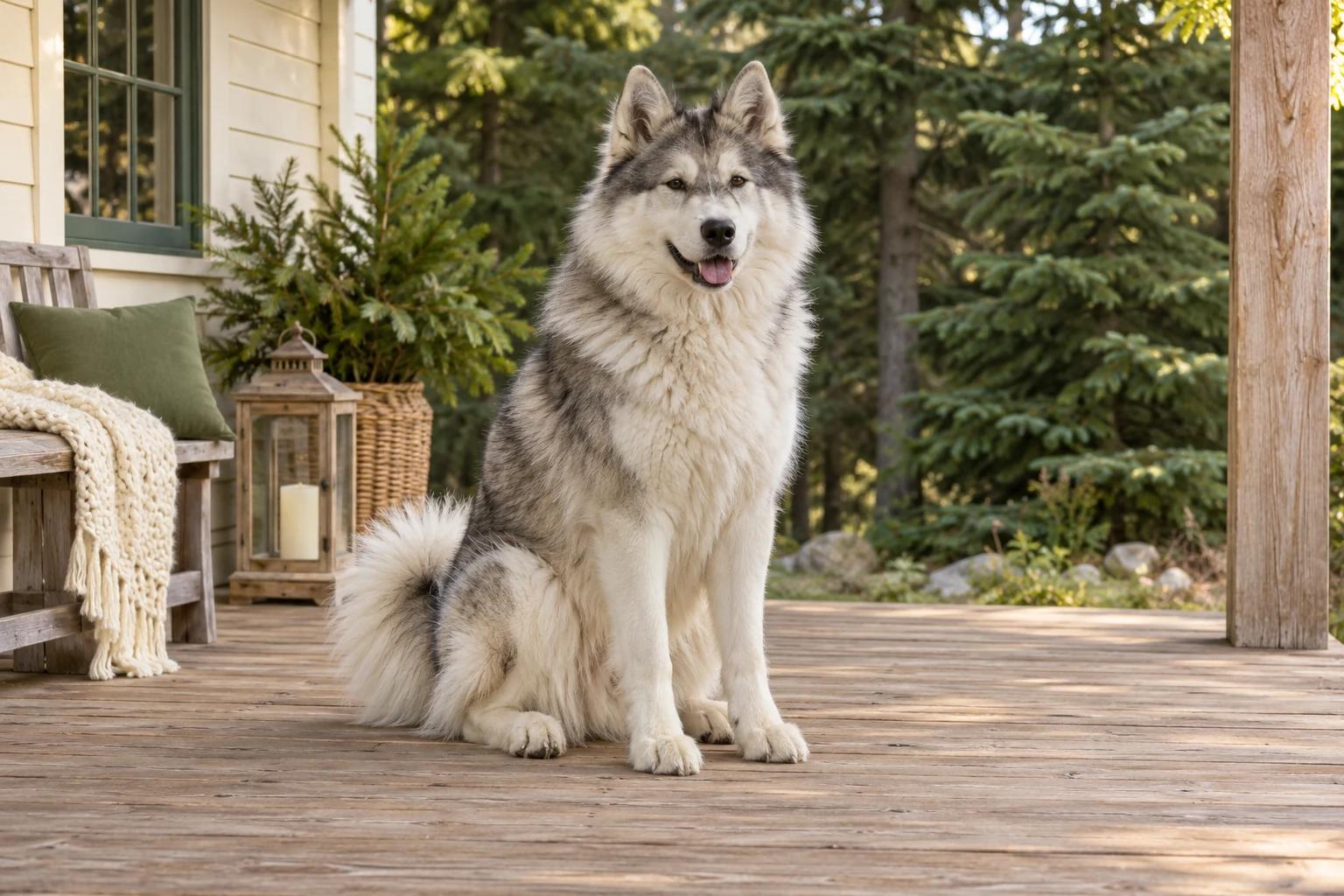
Canadian Eskimo Dog vs Alaskan Malamute is a comparison between two substantial northern dogs, not a search for an interchangeable fluffy companion. Their appearance may attract the same person, but the useful decision concerns the daily responsibilities that person can actually provide.
Keep the Canadian Eskimo Dog profile and Alaskan Malamute profile open as separate references. A similarity in outline does not establish the same care routine, and a difference in a breed score does not predict every individual. Compare the practical commitments before deciding which image you prefer.
Canadian Eskimo Dog vs Alaskan Malamute: begin with time
Both site profiles place activity toward the demanding end of the scale. Neither should be approached as an outdoor ornament or as a dog whose exercise can be left entirely to a large yard. You need a realistic plan for participation, learning and everyday care.
Rather than assigning a universal minute count, examine who will provide the routine across a normal week. Which parts depend on you personally? What happens when your availability changes? An arrangement that works only on your best day is not yet an adequate basis for choosing either breed.
Consider a hypothetical owner who enjoys occasional long adventures but has little time for ordinary weekday care. The weekend preference does not answer the daily question. Before deciding between these breeds, that owner would need to resolve the routine itself, not simply select whichever dog seems less demanding in a comparison.
Their working descriptions are context, not instructions
The Canadian Kennel Club standard describes a powerfully built Canadian Eskimo Dog. The American Kennel Club similarly presents the Malamute as a strong working spitz. Those descriptions help explain why physical handling deserves thought.
They do not authorize an owner to load a harness, begin pulling work or adopt a historical feeding pattern without appropriate guidance. If a specific activity interests you, consult an experienced instructor and obtain veterinary advice about suitability for the individual dog.
The existing article on Canadian Eskimo Dog Inuit fan-hitch context explores the cultural and working background separately. A breed comparison should not flatten those traditions into a claim that all northern dogs do the same work or belong in the same household.
Compare adult figures without declaring a size winner
Both profiles give sex-specific adult weight ranges. The Malamute’s height reference uses one value for each sex, while the Canadian Eskimo Dog’s height reference uses intervals. These figures are breed references, not strict limits for every individual.
For the Malamute, the recorded figures are 25 inches and 79–95 pounds for males, and 23 inches and 71–84 pounds for females. Check an actual adult's measurements when a decision depends on them. A reference figure cannot establish the dimensions of a dog you have not yet assessed.
If you are comparing a puppy with a known adult, acknowledge that asymmetry. One has a current adult size; the other has a future size you are estimating. Do not allow a confident photograph or a familiar breed name to make the uncertain option seem equally measured.
Coat care belongs in the calendar, not just the budget
Both profiles describe double coats. Plan for hands-on maintenance and household cleanup rather than viewing professional grooming as the entire responsibility. Ask what the individual dog's routine involves and which parts the current caregiver performs at home.
An informative conversation with a groomer goes beyond the price of an appointment. Can they show you the appropriate home technique? What should you do between visits? Which problems need professional attention? Those questions help you understand the work before deciding whether you can maintain it.
Avoid choosing a breed on the assumption that its coat will solve a care problem for you. A dense appearance does not mean the dog can be ignored between appointments, and the shortest description of maintenance is not necessarily the best guide to your actual responsibilities.
Think about cooperation during ordinary handling
The difference between Canadian Eskimo Dog and Alaskan Malamute ownership cannot be reduced to which dog sounds more trainable. Ask what skills the particular dog already knows and what support you will need to continue teaching it. A breed label does not transfer those skills automatically.
For example, consider an outing managed by a substitute caregiver. That person needs to know how the dog responds to familiar cues and which situations require a different arrangement. A strong adult should not be handed over with only the instruction that its breed is loyal or clever.
Plan a suitable introduction to any ongoing helper and explain the individual routine. If training needs remain unresolved, factor instruction into the decision. It is more useful to identify the help you need than to hope that one breed's reputation will make it unnecessary.
Match the social arrangement to individual evidence
When weighing Canadian Eskimo Dog or Alaskan Malamute, discuss the actual animals and people sharing your home. General companionship descriptions cannot establish compatibility with an existing dog or another species. Prior experience, management and appropriate introductions deserve their own attention.
Ask about the particular dog's history without turning one anecdote into a universal rule. A successful relationship in its previous home may provide useful information, but your own setting may differ. Describe that difference to the caregiver or professional helping you plan.
Likewise, be clear about what you expect when people visit or when care takes place away from home. You do not have to choose a dog capable of joining every possible activity. You do need to know which arrangements are essential and whether the available evidence supports them.
Make the choice using evidence you can act on
An Alaskan Malamute vs Canadian Eskimo Dog search becomes productive when it produces specific next questions. You may need to investigate daily support, learn a grooming routine or clarify the demands of an activity. Those are actionable gaps; deciding which breed is universally better is not.
Separate preferences from constraints. You might prefer a particular appearance, but a lack of reliable daily help is a constraint. You might enjoy learning a new sport, but access to appropriate instruction still needs checking. Do not let a compelling breed story resolve a practical question it has not answered.
Use the breed match quiz to organize your expectations alongside the profiles. If neither option fits the routine you can provide, recognizing that early is a useful outcome. A thoughtful comparison should leave room for that answer as well as for choosing one breed.
FAQ
Are Canadian Eskimo Dogs and Alaskan Malamutes the same breed?
No. They are distinct breeds, even though their northern working backgrounds and substantial double-coated appearance invite comparison. Research each separately and evaluate the actual individual rather than treating the two names as alternatives for an identical dog.
Is one breed automatically the easier choice?
Neither breed is a universal low-effort alternative to the other. Compare the dog's routine, handling skills, coat care and the support you can provide. A broad breed comparison cannot establish the workload of one individual household arrangement.
Does working heritage mean I should try pulling activities?
Working heritage is background, not an instruction to begin an unfamiliar activity. Seek suitable professional guidance and discuss the individual dog's readiness before attempting specialized work. You can investigate the breed without turning historical work into a home exercise prescription.
Sources behind this article
Article source checked: November 15, 2026. Source checked 2026-11-15
Keep reading

Affenpinscher vs Brussels Griffon: Everyday Differences
Read article →