Calupoh vs Xoloitzcuintli: compare the daily commitment
Compare Calupoh vs Xoloitzcuintli by size choices, coat variety, introductions and daily routines, without reducing either Mexican breed to its appearance.
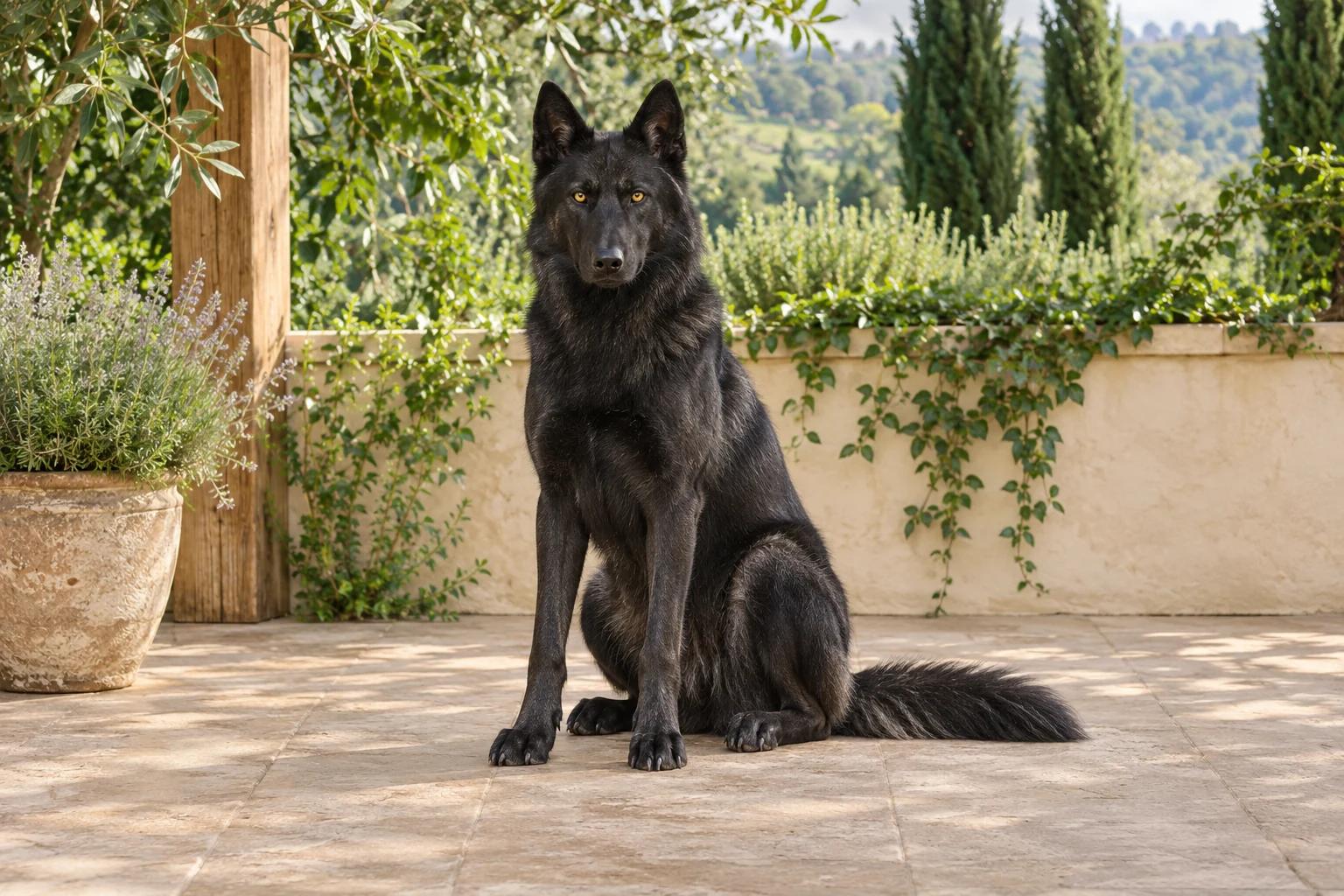
Calupoh vs Xoloitzcuintli is not simply a choice between a furry dog and a hairless one. The Xoloitzcuintli also has a coated variety, and its different sizes change the comparison substantially. Start by identifying which Xolo you mean before deciding what either breed would bring to your household.
Read the Calupoh profile and Xoloitzcuintli profile together. Both breeds are associated with Mexico, but shared origin does not make their size, care or daily-life expectations interchangeable. Your practical comparison should concern the dogs you could actually live with, not two representative pictures.
Calupoh vs Xoloitzcuintli starts with the Xolo variety
The American Kennel Club's Xolo description identifies three sizes and both hairless and coated varieties. Write the relevant size and coat variety beside the name in your notes. Otherwise, a conversation about a toy coated Xolo can silently become a comparison with a standard hairless adult.
For example, you might be interested in a particular coated Xolo rather than the hairless dog in a breed illustration. Ask for that individual's care routine, not advice based on the illustration. The same applies when you arrange to meet a dog: make sure the visit can answer the questions you actually have.
Calupoh research does not require choosing among those Xolo size categories. Its height reference is divided by sex rather than presented as toy, miniature and standard varieties. Do not transfer one breed's categories onto the other merely to make a tidy comparison chart.
Adult scale is a meaningful difference
The site records Calupoh shoulder heights of 24–29 inches for males and 22–27 inches for females. Xolo height references are 10–14 inches for toy, 14–18 for miniature and 18–23 for standard. A standard Xolo therefore makes a very different size comparison from a toy Xolo.
Use these figures to decide which adults you need to meet or ask about. If you have only seen toy Xolos, you have not yet experienced the scale of the standard variety. Likewise, a young Calupoh does not demonstrate its eventual adult dimensions.
Ask how size affects the activities you already do. Do your usual care arrangements accept the particular dog you are considering? Can the adults responsible for handling it manage normal outings comfortably? Resolve those questions with the individual and relevant provider, rather than assuming that one breed name means an automatically convenient size.
Coat variety changes the questions you should ask
The FCM Calupoh standard describes a medium-length double coat. That gives you a different starting point from researching a hairless Xolo. It does not, by itself, provide a complete grooming timetable or tell you which individual care products to buy.
Ask a Calupoh caregiver to explain the routine they currently follow and the parts they get professional help with. For a Xolo, establish whether the dog is coated or hairless before asking the equivalent question. Compare the actual tasks, your willingness to learn them and access to appropriate advice.
Do not equate less visible hair with no maintenance. Nor should you improvise a skin-care routine from a photograph. Questions about skin concerns or suitable products belong with your veterinarian; ordinary coat handling can be discussed with an experienced groomer. You are choosing responsibilities, not simply choosing a surface appearance.
Think about a normal day, not a breed postcard
The profiles give the Xolo a higher activity reference than the Calupoh. That is a prompt to discuss everyday engagement, not a calculation of exercise minutes or a guarantee that a particular Xolo will be busier than a particular Calupoh.
Picture the weekday you genuinely repeat. There may be an early outing, a period when work occupies you and another opportunity for shared activity later. Ask the current caregiver how the dog spends a comparable day. A routine that depends on your ideal weekend is less useful than one that fits ordinary responsibilities.
If your proposed day has large gaps in care, settle those arrangements before choosing a breed. If it is crowded with activities, consider whether you have also allowed time for the dog to rest. The comparison should reveal where your expectations need clarification, not encourage you to select the dog with a seemingly convenient score.
Visitors deserve a practical conversation
Calupoh reserve toward unfamiliar people is a relevant topic to raise with its caregiver. For either breed, ask what introductions currently look like and what the dog does when people are simply present without seeking interaction. A useful report describes behavior rather than promising universal friendliness.
Suppose you regularly have collaborators working at your home. Explain that specific situation instead of asking only whether the dog likes people. How are arrivals handled? Can the dog spend comfortable time away from the gathering? What arrangements are already familiar to it?
A sociable description does not authorize guests to crowd the dog, and a reserved description does not mean a visitor must win it over. Your role is to organize the visit so that participation is not compulsory. If introductions are an unresolved difficulty, seek qualified help rather than relying on a breed comparison to solve it.
Choose the questions that could change your decision
When weighing Calupoh or Xoloitzcuintli, write down your non-negotiable practical constraints before discussing appearance. These might include a housing rule, the availability of a caregiver or your ability to maintain a particular care routine. A strong visual preference should not quietly erase a constraint you already know matters.
Then make two columns: information established and information still needed. A known adult's dimensions belong in the first column; an estimate about a puppy belongs in the second. A demonstrated care routine is established information; your assumption that it will be effortless is not.
This turns a broad Xoloitzcuintli vs Calupoh search into a sequence of answerable questions. You may discover that both remain possibilities, that only one variety fits your circumstances or that neither current option works. Any of those outcomes is more useful than declaring a universal winner.
For appearance context rather than another comparison, read the Calupoh's wolf-like breed description. The breed match quiz can help organize your preferences before you request more individual information.
FAQ
What is the main difference between Calupoh and Xoloitzcuintli?
Adult scale and coat options are important practical differences. Calupoh research starts with a large, double-coated breed, while the Xoloitzcuintli has three sizes and both coated and hairless varieties. Specify the Xolo variety before comparing care and household fit.
Are all Xoloitzcuintlis hairless?
No. The Xoloitzcuintli includes a coated variety as well as a hairless one. Ask which variety a particular dog belongs to and learn its actual care routine rather than assuming every Xolo has the same presentation.
Which breed is easier to fit into a household?
There is no universal answer. Compare the individual dog's routine, adult dimensions, care needs and experience with visitors against your circumstances. The Xolo's range of sizes adds choices, but a smaller size does not settle the whole ownership question.
Sources behind this article
Article source checked: November 15, 2026. Source checked 2026-11-15
Keep reading

Affenpinscher vs Brussels Griffon: Everyday Differences
Read article →