English Bulldog vs French Bulldog: a practical choice
Compare English Bulldog vs French Bulldog size, household space, companionship and care questions without assuming smaller means simpler.
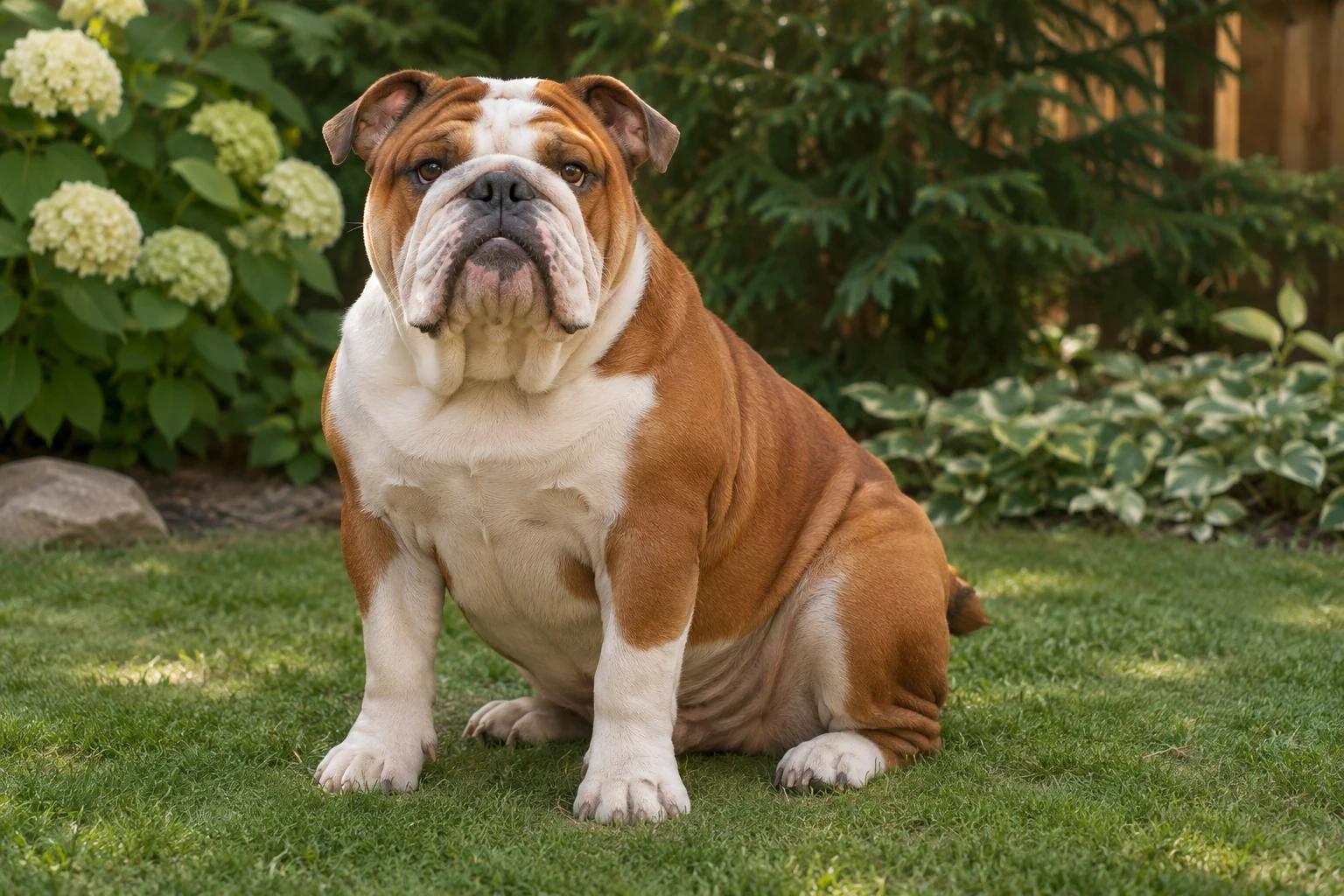
English Bulldog vs French Bulldog is not simply a choice between two versions of the same pet. Their names and short coats invite the comparison, but the adult-size difference changes how they occupy a home. Their companionship needs also deserve more attention than a photograph of their faces can provide.
Begin with the Bulldog profile and French Bulldog profile. Then compare the practical arrangements you would make for each individual dog. A smaller body can change equipment and space requirements without removing the need for training, care or a realistic daily routine.
English Bulldog vs French Bulldog: start with adult size
My Breed Atlas lists the Bulldog at 14–15 inches, with reference weights of 50–55 pounds for males and 40–44 pounds for females. The French Bulldog reference is 11–13 inches and 18–31 pounds across sexes. These are reference figures, not a promised final size for a puppy.
The difference matters in ordinary spaces. Picture a dog lying beside your dining chair, turning in a hallway or occupying its sleeping area. Check the actual floor space rather than deciding from shoulder height alone. A low dog can still take up a substantial amount of room.
Choose equipment for the individual dog's measurements and fit. A bed, harness or resting enclosure is not interchangeable merely because both names contain Bulldog. If a household member will assist with care, discuss what handling is genuinely manageable before assuming size will be a minor detail.
Their appearances are distinct, not a care ranking
The American Kennel Club's Bulldog description emphasizes a low, muscular build. Its French Bulldog description highlights the breed's upright bat ears. Those visible differences can help you identify the breeds, but they do not tell you which dog will fit your routines.
Both profiles list short, smooth coats. That is a starting point for asking about tools and coat care, not a conclusion that grooming will be negligible. Ask the caregiver what the current routine involves and what the dog comfortably accepts.
Try not to let a preference for one expression dominate the decision. Imagine performing ordinary tasks when the novelty has worn off: preparing the resting area, cleaning loose hair, arranging appointments and practicing handling. The dog you prefer looking at is not automatically the dog whose needs you are prepared to meet.
Compare companionship in the room, not adjectives on paper
When considering French Bulldog vs English Bulldog, both can appeal to someone seeking an involved household companion. AKC describes the French Bulldog as playful and alert, while its Bulldog description emphasizes friendly companionship. These summaries do not create a reliable ranking of affection.
Ask to hear about an ordinary quiet period. Does the dog settle nearby? Does it seek a game whenever someone moves? What happens when a familiar person leaves the room? Answers about routine behavior are more useful than being told one breed loves people more.
Think about your preferred style of interaction too. You may enjoy frequent invitations to play, or prefer sharing space while doing separate things. Explain that honestly to a breeder or rescue. It gives them a better basis for discussing a particular dog than a broad request for something easygoing.
Smaller does not mean automatically suited to your apartment
If you are deciding between an English Bulldog or French Bulldog for a compact home, begin with the layout. Where can the dog rest without blocking a doorway? Is there a convenient place for care supplies? Can you separate the entrance from the resting area when visitors arrive?
A French Bulldog's smaller reference size can make some equipment easier to accommodate. That does not answer questions about time alone, neighboring noise or access to outdoor space. Those depend on the building, your arrangements and the dog itself.
For a Bulldog, check the same details with its greater adult weight in mind. Do not rely on carrying a dog as the solution to every access problem. Discuss physical access and handling needs with the caregiver and veterinarian so that your plan is usable, not merely possible in an emergency.
Give either dog a clear learning routine
Neither breed should be chosen on the assumption that manners arrive with a companion label. Teach practical skills before you need them during a difficult moment: moving away from an opening door, pausing while equipment is fitted and settling in an agreed place.
Use the same household cues and expectations. If one person invites the dog onto a chair while another objects, the dog is receiving inconsistent information. Decide the rule together and make the alternative resting place worthwhile.
When something is difficult, describe the task instead of ranking the breeds by stubbornness. A dog may understand a cue in the kitchen but not beside the entrance. A reward-based trainer can help you separate a teaching gap from a situation that needs a different kind of support.
Do not turn the comparison into a health promise
The difference between English Bulldog and French Bulldog should not be presented as a guarantee that one individual will be healthier, cheaper to care for or able to do every activity you imagine. Ask for the relevant records and discuss the actual dog with your veterinarian.
Keep your lifestyle hopes specific. If you want a dog to accompany you on particular outings, explain those outings rather than asking whether the breed is active. A professional can discuss the individual circumstances without relying on a broad internet ranking.
The existing Bulldog breathing-assessment guide covers a separate records question. Use it for that purpose rather than treating a document or a breed comparison as permission to test a dog's limits yourself.
Make the final choice with two realistic home plans
Write a short plan for each breed: resting space, care arrangements, daily company, learning and outdoor access. Include who will do the hands-on tasks. If one version depends on arrangements you cannot sustain, that is meaningful evidence against it, however appealing the dog looks.
Next, compare those plans with what is known about the available individual. Ask where the fit is straightforward and where uncertainty remains. Do not pressure yourself to choose between the breeds if neither plan works yet.
The breed match quiz can help clarify priorities, but there is no universal winner here. Choose the dog whose observed needs and likely adult size fit the care you can consistently provide, not the label that sounds easiest.
FAQ
Is a French Bulldog smaller than an English Bulldog?
The My Breed Atlas adult reference is smaller for the French Bulldog: 11–13 inches and 18–31 pounds across sexes, compared with 14–15 inches and sex-specific weights of 40–44 pounds for females and 50–55 pounds for males for the Bulldog. Individual size still needs consideration.
Which breed is easier to train?
This comparison does not establish a reliable training winner. Both need clear teaching and consistent household expectations. Ask about the individual dog's experience and use reward-based help for specific difficulties.
Is either breed automatically the better apartment choice?
No. French Bulldogs have a smaller reference size, but apartment fit also depends on layout, outdoor access, noise, company and the individual dog's needs. Assess those arrangements before choosing on size alone.
Sources behind this article
Article source checked: November 15, 2026. Source checked 2026-11-15
Keep reading

Affenpinscher vs Brussels Griffon: Everyday Differences
Read article →