English Bulldog grooming: more than a short coat
Plan English Bulldog grooming around coat care, comfortable handling and individual fold-care guidance, without turning routine care into home treatment.
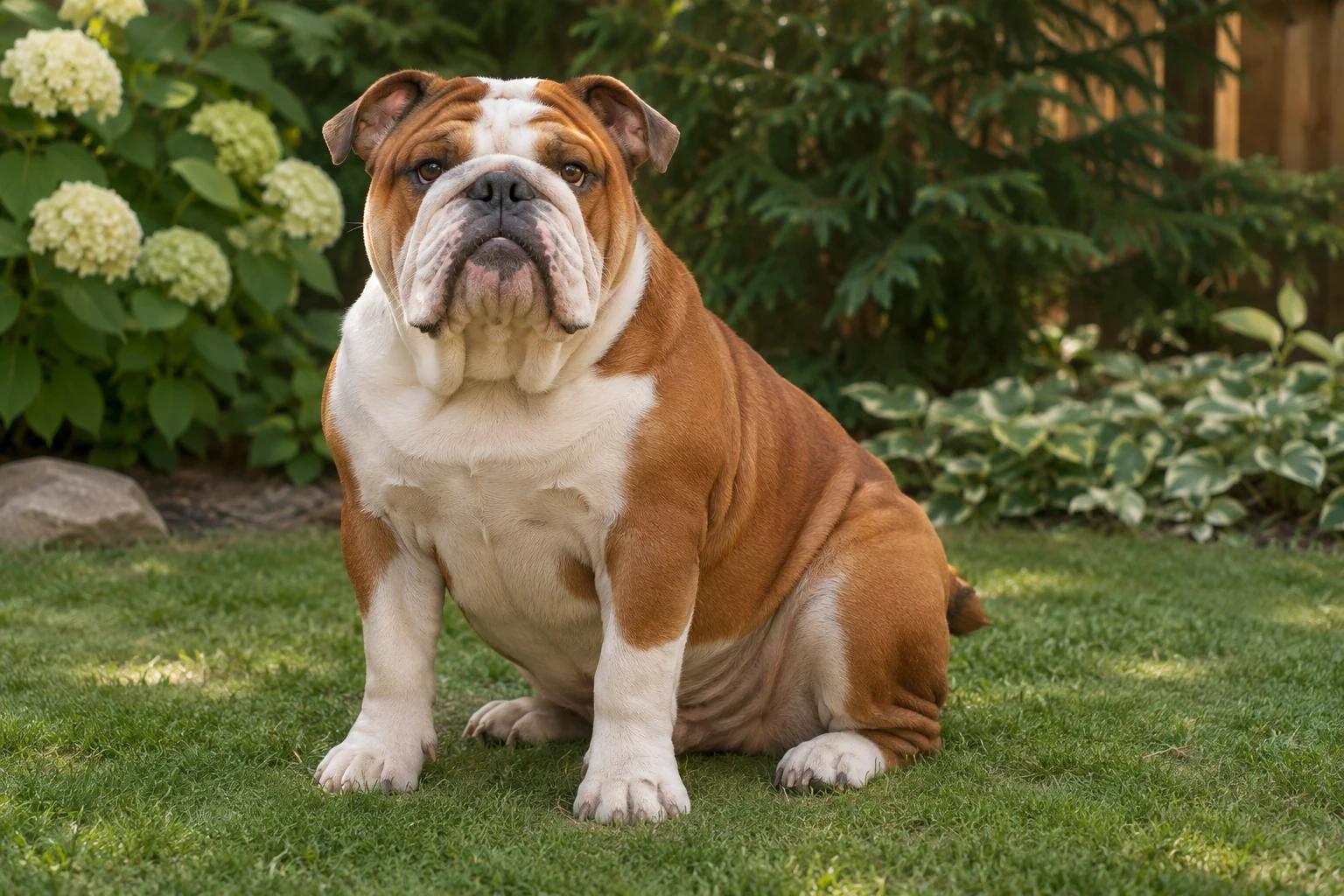
English Bulldog grooming is easy to underestimate when you look only at the short coat. Brushing matters, but a workable routine also involves the places you groom, the dog's comfort with handling and knowing which questions belong with a professional. A polished appearance is not the measure of a complete care plan.
The Bulldog profile lists a short, smooth coat alongside regular grooming needs. Think of the job as several small tasks rather than one occasional makeover. That approach makes it easier to notice what your dog tolerates, what needs practice and what you should not attempt without guidance.
English Bulldog grooming starts with a workable setup
The American Kennel Club's breed description emphasizes the Bulldog's low, substantial build. In practical terms, organize the grooming space around the dog you have, not a photograph of a tiny puppy in a sink. My Breed Atlas lists adult weight references of 50–55 pounds for males and 40–44 pounds for females.
Choose a stable, accessible area where the dog does not have to balance while you reach for supplies. Put the items you need within reach before beginning. If getting into a bath or onto a surface requires difficult lifting, ask a groomer to help you choose a different arrangement rather than improvising alone.
Keep the first session modest. Introducing a brush and doing a little comfortable brushing may be enough. You do not need to add nails, bathing and face handling simply because the supplies are already out. A task that ends calmly is easier to build on than an ambitious session that becomes a struggle.
Make brushing a skill, not a wrestling match
The Bulldog Club of America's maintenance page identifies brushing and attention to facial folds as separate care concerns. For English Bulldog coat care, ask a groomer to demonstrate a suitable brush and pressure on your actual dog. A smooth coat does not make every tool interchangeable.
Begin where the dog is comfortable being touched. Work in a way that lets you see its response rather than holding it in place and concentrating only on the brush. If a particular area is difficult, describe that to the groomer instead of repeatedly trying to finish it through resistance.
A useful practice goal might be approaching the grooming mat, accepting a few gentle brush strokes and leaving when invited. That is a clearer lesson than “stand still until everything is done.” Reward-based help can make the routine more understandable, especially if grooming has previously involved a tussle.
Separate loose hair from skin concerns
English Bulldog shedding is part of the household plan. Short hair can still appear on bedding, clothing and upholstery. Put washable covers where the dog regularly rests, and make cleaning those areas a separate household task rather than expecting brushing to remove every loose hair.
Notice your own pattern before buying a collection of tools. Which fabric holds the hair? Where does the dog actually sleep? Is the brush comfortable to use? A simple arrangement that you maintain is more useful than an elaborate kit that stays in a cupboard.
Do not treat a new bald patch, soreness or an uncomfortable response as a reason to brush harder. Those observations belong in a veterinary conversation. Grooming is not a way to diagnose a skin problem, and an online breed guide cannot choose a treatment for your dog.
Get an individual plan for folds and sensitive areas
When learning how to groom an English Bulldog, ask your veterinarian to show you the care appropriate to your dog's folds and any other areas that need particular attention. Ask what to use, how to use it and what changes should prompt a call. Keep these instructions separate from general coat-brushing advice.
Avoid building a home-care routine from assorted internet recipes. An instruction intended for one dog, one product or one clinical situation may not apply to another. You do not need to experiment with cleaning mixtures to demonstrate that you are being thorough.
Make the plan easy for another caregiver to follow. Record the exact product if one is recommended, the demonstrated method and the professional to contact with questions. If the dog becomes newly uncomfortable with an established routine, stop and seek advice rather than assuming it is simply being difficult.
Book grooming around the tasks you cannot do comfortably
A professional appointment need not mean handing over every aspect of care. You may be happy brushing but need help with nail care or bath access. Tell the groomer which tasks you want covered and which ones your veterinarian has advised you to handle differently.
Ask about the appointment itself: where the dog waits, how handling breaks are managed and whether you can discuss the dog's previous experience before the session. Give practical information, such as discomfort with a particular position, instead of merely saying the dog dislikes grooming.
Afterward, ask what was completed and what was left unfinished. An incomplete task accompanied by a clear explanation can be more informative than a vague assurance that everything was fine. Keep any follow-up questions for the appropriate professional rather than repeatedly trying the difficult part at home.
Build a small routine you can actually keep
Put coat care alongside an existing quiet part of the day, but let the dog's response determine the session's scope. Keep supplies together and replace worn tools when needed. The purpose of a routine is to make care easier to remember, not to force every task into the same timetable.
Review the arrangement when the dog grows or its needs change. A puppy setup may no longer fit an adult body; a previously easy position may become uncomfortable. Your veterinarian and groomer can help you adapt without turning an ordinary care session into a test of endurance.
For a separate topic, read the existing Bulldog breathing-assessment records guide. If you are still considering the breed, include hands-on care in your priorities for the breed match quiz. Short hair is only one part of the commitment.
FAQ
Does a short coat mean an English Bulldog needs no grooming?
No. English Bulldogs still need coat care, and their individual folds and handling needs deserve attention. Ask a groomer about brushing and a veterinarian about care for sensitive areas rather than treating all tasks as the same job.
Can brushing stop English Bulldog shedding completely?
No grooming routine should be expected to eliminate loose hair. Combine comfortable brushing with practical household cleaning and washable resting covers. A new skin or coat concern should be discussed with a veterinarian.
Should I finish grooming if my Bulldog resists?
Do not turn resistance into a contest. Pause, identify the difficult part and ask for professional guidance. New discomfort warrants veterinary attention; unfamiliar handling may need a gradual, reward-based teaching plan.
Sources behind this article
Article source checked: November 15, 2026. Source checked 2026-11-15
Keep reading

Affenpinscher Grooming: A Practical Coat-Care Routine
Read article →