Braque français type pyrénées temperament: daily life
Explore Braque français type pyrénées temperament, with practical questions about company, activity, learning and introductions.
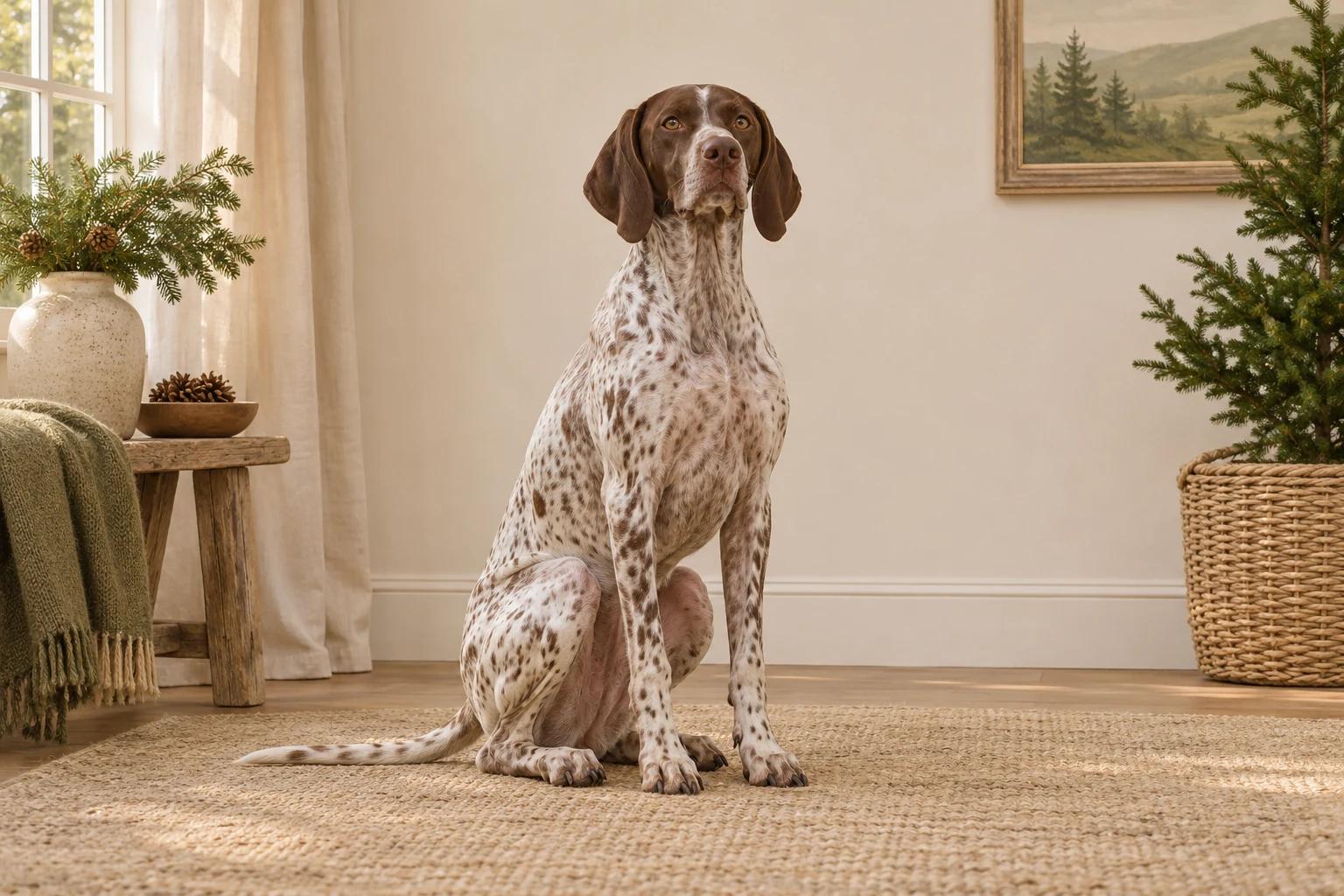
Explore the
Braque Francais Pyrenean
Background, care, and everyday considerations.
View breed profile →Braque français type pyrénées temperament is best understood by looking beyond a pleasant expression. This is a pointing dog whose life needs room for activity as well as companionship. If you like the breed's appearance, the next step is to find out whether you also like the routines that allow a particular dog to live comfortably with you.
The Braque Francais Pyrenean profile introduces the breed's care needs. Here, the focus is on reading temperament descriptions sensibly and asking questions that reveal what living together might actually involve.
Braque français type pyrénées temperament in context
The AKC introduction identifies this French breed as the French Pointing Dog Pyrenean Type. The UKC standard describes its pointing-dog build as muscular without heaviness. That working identity matters more to a prospective owner than treating the dog as simply a smaller alternative to another pointer.
Braque Francais Pyrenean temperament should not be reduced to “easy” or “difficult.” Our profile describes a friendly, active dog, but activity, companionship and responsiveness are different things. A dog can enjoy people while needing considerable help to pay attention outdoors. Another can learn an exercise readily without wanting constant physical affection.
Ask which descriptions apply to the individual you are meeting. Useful answers include examples: how the dog greets a familiar person, behaves during a quiet meal or responds when an outing ends. Broad praise gives you much less to work with.
Company does not have to mean constant contact
When considering Braque Francais Pyrenean personality, picture the ordinary room you will share. Is there somewhere the dog can settle nearby without lying in a doorway? Can household members leave it alone when it chooses to rest? A welcoming home includes the option not to interact.
During a visit, notice whether the dog chooses contact or is repeatedly called over for demonstration. Ask where it usually sleeps during the day and what happens when the owner moves between rooms. These observations are not a test the dog must pass. They help you understand its existing habits and the adjustments your home would require.
Discuss time alone as a separate subject
Being sociable does not prove that a dog is comfortable alone. Ask an adult dog's current caregiver about actual experience, including how absences are managed and any difficulties that have appeared. With a puppy, arrange care while independence develops rather than expecting an immediate transition to long absences.
If separation causes distress, seek advice from a veterinarian and a suitably qualified behavior professional. A generic personality description cannot explain what is happening to an individual dog.
Give the active side a realistic place
Activity is one of the most consequential Braque Francais Pyrenean characteristics for household fit. The breed profile puts activity needs at the high end of its scale. An appealing size or short coat should not distract you from that commitment.
Think about what you enjoy doing with a dog, rather than what you could force yourself to do briefly. Do you enjoy exploring outdoor places, practicing useful skills and adjusting plans around weather and access? Or are you mainly looking for quiet company after a very full day? Neither preference is wrong, but they lead to different matches.
Make outings purposeful without turning every opportunity into a test. For example, an easy walk can include time to investigate surroundings and a few familiar cues. A separate short learning session can happen somewhere with fewer distractions. The aim is a partnership you can sustain, not a schedule designed to exhaust the dog.
Learn how this dog responds to guidance
Do not assume that a willingness to work with people removes the need to teach household manners. Ask what cues the dog already knows, what rewards it likes and where those skills have been practiced. A response in a quiet room does not tell you how it will perform beside unfamiliar dogs or wildlife.
For a prospective puppy, ask how the breeder introduces ordinary experiences. Look for descriptions of manageable exposure and observation rather than claims that every puppy will be fearless. You want someone who can tell you what a puppy has experienced and how it responded.
Plan to keep initial expectations small. Agree on household words for everyday actions, decide where the dog can rest and use clear boundaries around doors and food preparation. Consistency is easier when people decide together before the dog arrives.
Introductions need room and supervision
A friendly reputation is not permission for everyone to crowd a new dog. Let visitors hear the household rules before they arrive. Give the dog space to approach or remain apart, and avoid arranging greetings where a narrow hall leaves no alternative.
Where children are involved, adults must supervise and protect rest and feeding time. Children should not climb on the dog, follow it into its retreat or take things from its mouth. If adults cannot maintain those boundaries during busy periods, use separate spaces rather than asking the dog to tolerate more.
For other animals, seek specific history. Living successfully with one familiar dog does not answer every question about unfamiliar dogs, cats or small pets. Explain your household accurately to the breeder or rescue and discuss how introductions would be managed. Do not manufacture a stressful encounter merely to see what happens.
Make the choice with your own priorities visible
Our article on Pyrenean and Gascogne Braques explains physical distinctions between the two types. Those distinctions should not substitute for meeting dogs and discussing behavior. This temperament guide concerns everyday fit, not a ranking of which type is better.
Write down what matters most to you: active companionship, predictable household routines, confidence handling a sporting dog, or compatibility with existing animals. Use the breed quiz to organize those priorities, then return to the individual dog's history. Variation is part of the decision, not a footnote that cancels the breed's needs.
FAQ
Is the Pyrenean Braque a quiet companion breed?
It is an active pointing dog, not a low-activity choice simply because its appearance is gentle. Ask how a particular dog settles between activities and what daily routine supports that behavior. Quiet time and meaningful activity both belong in the plan.
Does friendliness make training automatic?
No. A friendly dog still needs clear teaching, practice and help around distractions. Ask about established skills and enjoyable rewards, then work from the dog's current experience rather than expecting the breed label to provide finished manners.
Can this breed live with children or other pets?
Consider the individual dog's history and your ability to manage introductions and daily boundaries. Supervise children, protect resting space and assess animal relationships separately. A breed reputation cannot guarantee compatibility or safety in a particular household.
Sources behind this article
Article source checked: November 14, 2026. Source checked 2026-11-14
Keep reading
Braque Francais Pyrenean size: planning for an adult dog
Read article →