Braque du Bourbonnais vs German Shorthaired Pointer
Compare Braque du Bourbonnais and German Shorthaired Pointer size, activity and practical ownership needs before choosing an individual dog.
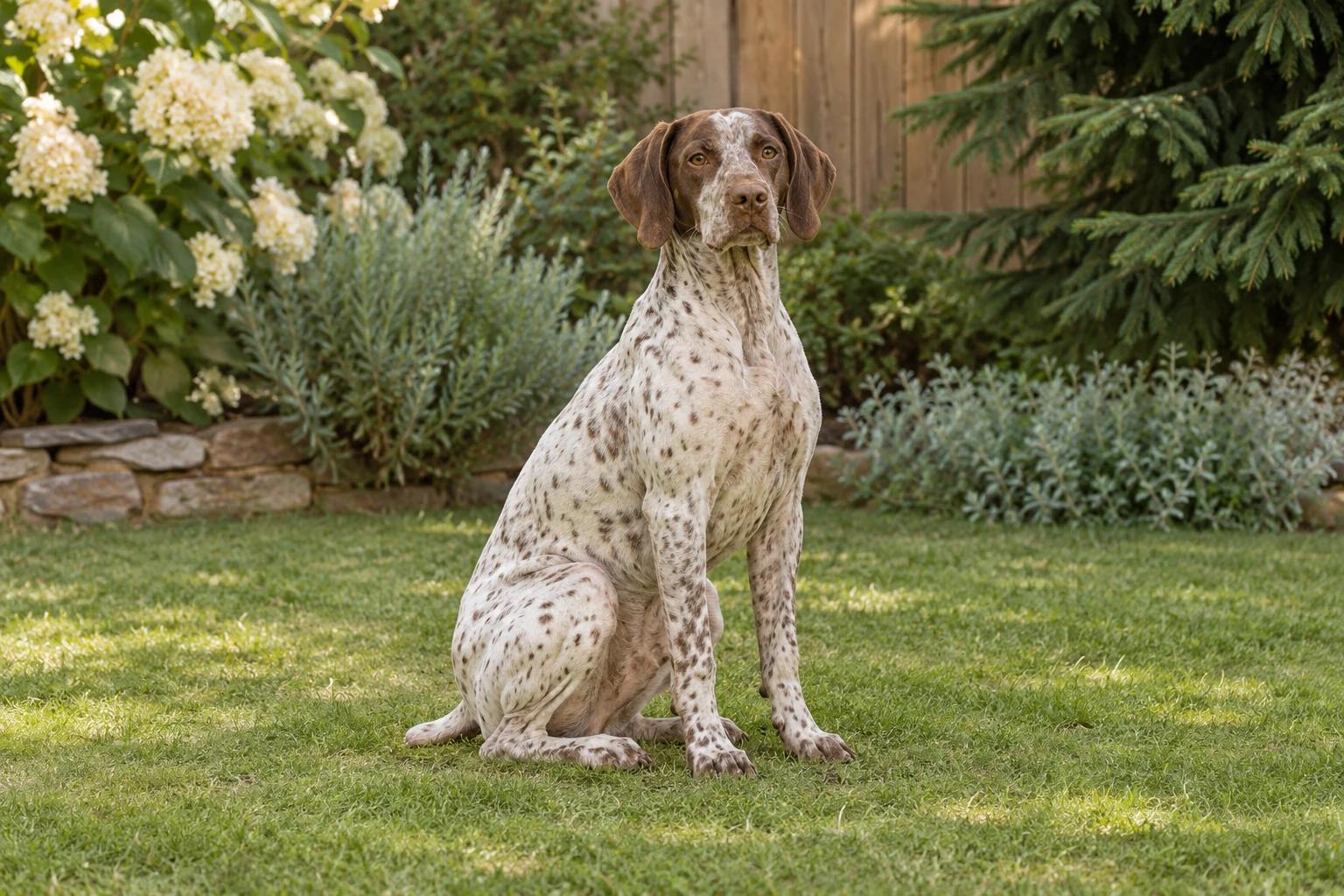
Braque du Bourbonnais vs German Shorthaired Pointer is often a comparison between a less familiar French pointer and a better-known German sporting breed. Familiarity alone is a poor way to choose. Focus instead on the size you can manage, the activity you want to share and the quality of information available about a particular dog.
Both deserve more than admiration for a handsome outline. Read the Braque du Bourbonnais profile alongside the German Shorthaired Pointer profile, then compare the responsibilities against your actual household routine.
Braque du Bourbonnais vs German Shorthaired Pointer: the starting point
The AKC Bourbonnais introduction describes a pointer associated with hunting on foot. The AKC GSP introduction emphasizes an enthusiastic versatile gundog. Those are broad descriptions of purpose, not a reliable prediction of every dog's working distance, manners or level of excitement.
If your search began as German Shorthaired Pointer vs Braque du Bourbonnais, write down why the comparison matters to you. Are you looking for a smaller dog? More information about everyday activity? A particular kind of field partnership? Separating those questions prevents one attractive feature from deciding everything else.
Compare size with your own handling needs
The Bourbonnais profile lists 40–55 pounds for males, 35–49 pounds for females and an overall height of 19–22.5 inches. The GSP profile lists males at 55–70 pounds and 23–25 inches, and females at 45–60 pounds and 21–23 inches. The Bourbonnais has lower weight endpoints overall, but its ranges overlap with female GSPs and meet the male GSP lower endpoint at 55 pounds.
The UKC Bourbonnais standard also describes a compact, muscular dog and distinguishes male and female heights. Smaller should not be confused with physically insignificant. You still need suitable equipment, secure transport and the ability to manage an enthusiastic dog on lead.
Check the least convenient journey
Think beyond the pleasant walk from your front door. How will the dog travel when the usual vehicle is unavailable? Who can help if it needs assistance? Can your chosen care provider handle the dog comfortably? Answering these questions now is more useful than discovering a transport problem after placement.
For a puppy, remember that adult ranges are reference information, not an exact forecast. For an adult dog, ask for current measurements and use them when planning a crate, resting area or vehicle setup.
Activity expectations need a realistic calendar
Both breed profiles describe substantial activity needs, with the GSP rated higher for activity and mental engagement. This distinction can help you frame questions, but it does not justify assigning a fixed daily exercise quota to either breed. Individuals differ, and physical demands should fit age, condition and veterinary guidance.
Imagine a weekday with no special outing. Who provides the morning activity? Is there help during the working day? When can you share training or another suitable task? What happens if the evening plan falls through? A breed choice is more robust when it works under these ordinary constraints.
For a hunting household, ask about the particular dog's experience and the support available for your goals. For a non-hunting household, describe your planned activities honestly. Avoid assuming that a smaller pointer automatically needs less engagement or that a larger one must be kept continuously busy.
Training opportunities are not finished manners
The two profiles rate responsiveness to training highly. That gives you a reason to invest in clear teaching, not a reason to skip it. Either dog will need to learn how your household works, including where to rest, how greetings happen and what you expect at doors and on walks.
Ask breeders or rescue staff for examples of current learning rather than accepting “easy to train” as a complete answer. Which cues have been practised? In what settings? What happens when other dogs or interesting smells are present? A response learned indoors is not automatically reliable everywhere.
When deciding on a Braque du Bourbonnais or German Shorthaired Pointer, consider whether you enjoy the teaching itself. Owners who only want the end result may find an active sporting dog frustrating. The day-to-day partnership includes repeated small lessons, not just impressive achievements.
Home life needs its own evidence
A difference between Braque du Bourbonnais and German Shorthaired Pointer in a breed description is not necessarily the difference you will see between two available dogs. One may have extensive experience with urban visitors, while the other has lived in a quieter setting. Neither background is inherently better, but the transition to your home may be different.
Ask about time alone, transport and care by unfamiliar people. If you have children, discuss their ages and routines, and plan adult supervision. If you have other pets, investigate actual experience with those animals and prepare separate spaces. General sociability cannot settle a specific compatibility question.
Both breeds have short, smooth coats in the profiles. That does not erase routine care or cleaning. If ease of grooming is a major attraction, include nails, ears and other everyday handling in the discussion rather than concentrating only on coat length.
Choose the evidence you can trust
The Bourbonnais has a distinctive history, explored in our article on color and tail selection. Appearance and rarity can draw attention, but they do not replace documentation, informed placement and ongoing support.
Before choosing either breed, ask what information you can review about the parents or adult dog, which questions should go to your veterinarian and what the placement agreement covers. Do not treat registration or a confident sales description as a guarantee of health or suitability.
Use the breed quiz to sort your priorities, then discuss them with people who know the particular dog. It is reasonable to wait if the available information does not answer the questions that matter to your home.
FAQ
Is the Bourbonnais smaller than a GSP?
The Braque du Bourbonnais has a lower listed adult weight range overall. There is overlap with female German Shorthaired Pointers and a shared endpoint with males, so compare actual dogs where possible. Physical size is only one part of the handling and care commitment.
Which breed needs more activity?
The breed profiles rate the GSP higher for activity, while both are active sporting dogs. Use that as a planning clue, not a precise exercise prescription. Match outings and activities to the individual dog's age, condition and needs.
Which is the better household companion?
The better match depends on your schedule, experience, household members and the individual dog. Ask about ordinary routines and observed behavior rather than choosing from a reputation. Both require purposeful care, training and suitable opportunities to be active.
Sources behind this article
Article source checked: November 14, 2026. Source checked 2026-11-14
Keep reading

Affenpinscher vs Brussels Griffon: Everyday Differences
Read article →