Boxer vs Doberman Pinscher: Compare the Daily Commitment
Compare Boxer and Doberman Pinscher size, activity, training, coat care, and company without relying on protection or personality stereotypes.
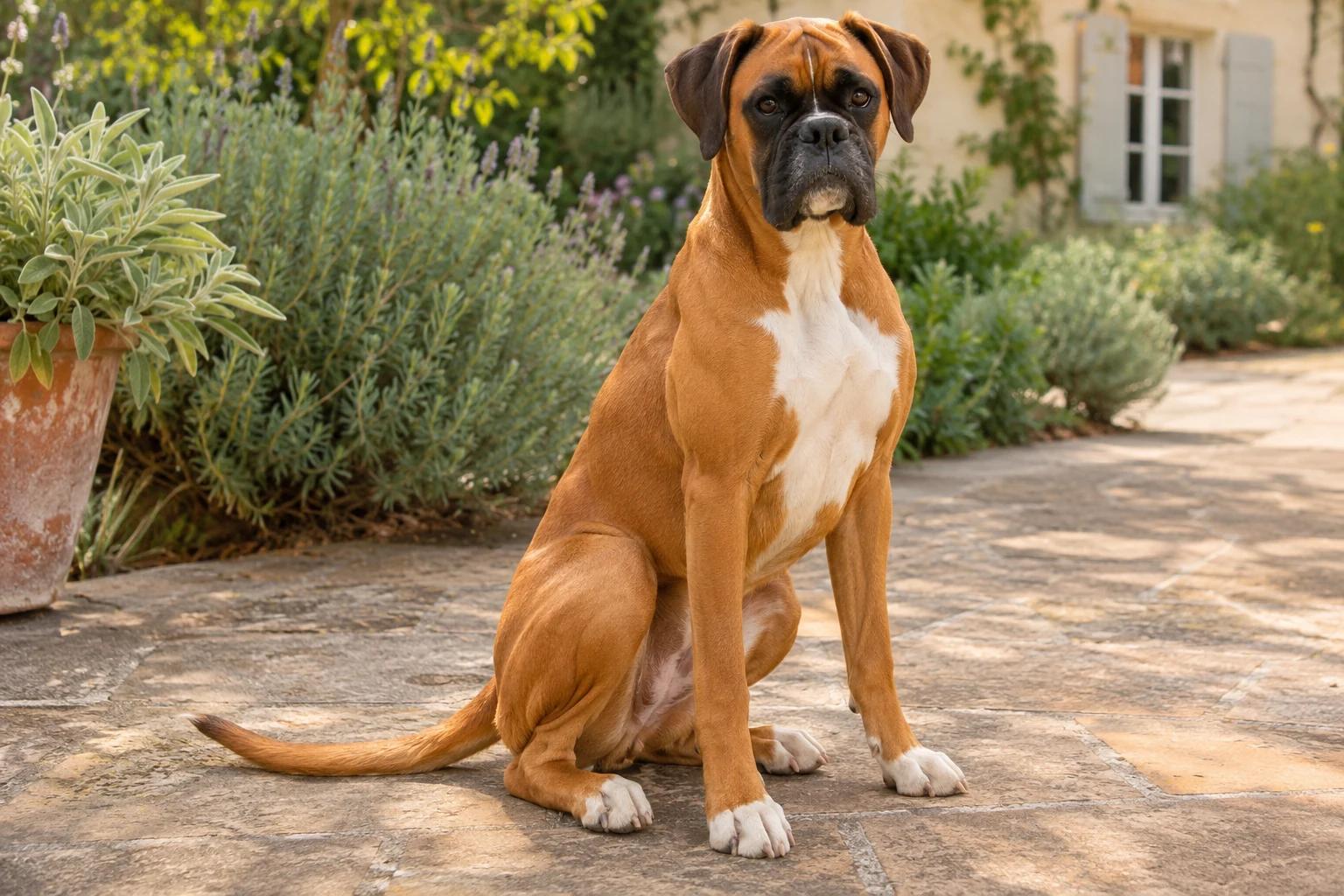
Boxer vs Doberman Pinscher is often presented as a comparison of appearances or reputations. A more useful approach is to compare the daily commitment: handling a substantial adult, providing meaningful activity, teaching useful habits, and sharing your home with an involved companion.
The Boxer profile and Doberman Pinscher profile both describe active dogs with significant mental-engagement needs. Neither is a low-involvement choice simply because the coat is short. Start with the week you can actually provide, then consider individual dogs.
Boxer vs Doberman Pinscher: shared needs before differences
The AKC Boxer overview describes a bright, alert dog with a playful side. The AKC Doberman overview emphasizes intelligence and a powerful build. Those broad descriptions suggest an active partnership, not a dog that arrives understanding your household.
Both need a deliberate plan for learning and everyday handling. A garden, a few toys, and an occasional long outing do not tell you how the rest of the week will work. Identify who provides company and care when your schedule changes.
Avoid choosing from labels such as clown, guardian, or athlete alone. They may capture one aspect of a breed description, but they hide important questions about the dog in front of you. Ask what happens on an ordinary afternoon, not just what the caregiver admires most.
Build the comparison around your real priorities
Write down the three things you most want from life with a dog. Then write down the responsibilities you find hardest to maintain. You may discover that time alone, transport, or training support matters more than a subtle personality comparison.
Use those priorities in conversations with caregivers. A specific account of your home gives them a better chance to discuss fit honestly than a general request for an easy or loyal dog.
Difference between Boxer and Doberman Pinscher size
The difference between Boxer and Doberman Pinscher size is visible in the site's adult references. Boxers are listed at 65–80 pounds for males and 50–65 pounds for females. Dobermans are listed at 88–99 pounds for males and 71–77 pounds for females. The overall breed ranges overlap at 71–80 pounds, but the same-sex reference ranges do not overlap.
The Doberman's height reference is also generally higher. That can affect transport and the arrangement of resting areas, but measurements of the actual dog remain more useful than a breed-wide assumption.
Check vehicle access, turning room, and the space beside your usual seating or desk. A dog lying comfortably should not repeatedly have to move because its bed blocks a route through the room.
Consider how you would manage appointments or an unexpected need for assistance. Do not build the plan around being able to lift the dog whenever necessary. Arrange practical help and ask your veterinary team about appropriate transport planning.
Doberman Pinscher vs Boxer activity planning
A Doberman Pinscher vs Boxer activity comparison should not become a contest over which dog can do more. The site's everyday notes describe substantial daily activity for both. Neither reference establishes the capacity of a particular puppy, adult, or older dog.
Describe your planned activities to the caregiver and veterinarian. Include pace, terrain, frequency, and whether an activity involves sustained exertion. A general statement that you enjoy being outdoors leaves too much unexplained.
Think about mental engagement as well as movement. Training, exploration, and suitable problem-solving can all have a place, but they should be chosen for the individual dog. Do not assume a breed will enjoy every sport associated with it.
Keep a quieter alternative for disrupted days and a plan for professional advice if the dog's comfort changes. Energy should not be used as a reason to push through reluctance or to dismiss new symptoms.
Teaching useful habits matters for both
Compare your willingness to practice rather than trying to name the more intelligent breed. Both profiles describe learning as an important part of ownership. Clear, reward-based teaching is more useful than expecting intelligence to produce automatic manners.
Start with everyday tasks: accepting suitable equipment, navigating doors, coming toward you in manageable settings, and moving to a resting place. Teach them before physical size makes every misunderstanding inconvenient.
Ask a trainer how to introduce distractions gradually. A cue learned in a quiet room may need careful practice elsewhere. Avoid treating that normal teaching work as evidence that the dog is deliberately refusing to cooperate.
Make arrivals predictable
Decide where the dog will be when a visitor enters and what the visitor should do. Give helpers the same instructions. A practical arrangement is better than repeatedly improvising while holding a strong, excited dog.
Do not choose either breed for automatic protection or encourage it to decide who belongs in your home. Concerns about guarding, fear, or escalating reactions need qualified professional advice, not encouragement based on reputation.
Coat care and company still need time
Both site profiles describe short, smooth coats. The Boxer notes mention a weekly hound-glove routine, while the Doberman notes suggest brushing once or twice weekly. Ask for a demonstration suited to the individual dog rather than treating those brief descriptions as complete instructions.
Include household cleanup and routine nail, ear, and dental-care questions. Short hair does not mean no shedding or no care. Contact your veterinarian about discomfort or unusual changes rather than trying to solve them with grooming alone.
Company is another shared consideration. The site's notes describe both as liking closeness, and specifically flag long stretches alone as a poor fit for the Doberman. Ask about the actual dog's experience and arrange support rather than making assumptions from an affectionate first meeting.
Children and other animals require individual assessment and adult supervision with either breed. For the separate Boxer-specific family topic, read the playtime planning article.
Boxer or Doberman Pinscher: choose the dog and the routine
When deciding between Boxer or Doberman Pinscher, request relevant records and discuss them with your veterinarian. Do not turn a screening result or a lifespan average into a guarantee about the future.
Check housing and care arrangements directly before committing, including any relevant restrictions. Ask what support the breeder or rescue provides after placement and how they would help if the match becomes difficult.
The breed quiz can organize your priorities, but the final decision should come from practical evidence. Choose the individual whose needs fit the life you can sustain, not the breed that sounds more impressive in a comparison.
FAQ
Is a Doberman Pinscher bigger than a Boxer?
The site's Doberman reference generally extends higher in height and weight, but individuals overlap. Measure the actual dog and check equipment requirements rather than relying only on the breed name.
Which breed needs more exercise?
Both are described as requiring substantial activity. Individual capacity, health, and the proposed activity matter more than a simple ranking. Discuss an appropriate routine with your veterinarian.
Which breed is easier to train?
There is no dependable answer from breed reputation alone. Both need clear teaching and regular practice. Meet individual dogs and ask how they respond to learning in everyday settings.
Are short coats the main reason to choose either breed?
No. Coat maintenance is only one part of ownership. Activity, company, handling, training, and ongoing veterinary care are larger commitments that should drive the decision.
Sources behind this article
Article source checked: November 14, 2026. Source checked 2026-11-14
Keep reading

Affenpinscher vs Brussels Griffon: Everyday Differences
Read article →