Boxer Dog Exercise Needs: Plan More Than a Long Walk
Understand Boxer dog exercise needs through varied activity, daily walks, learning, rest, and plans that change with weather and the individual dog.
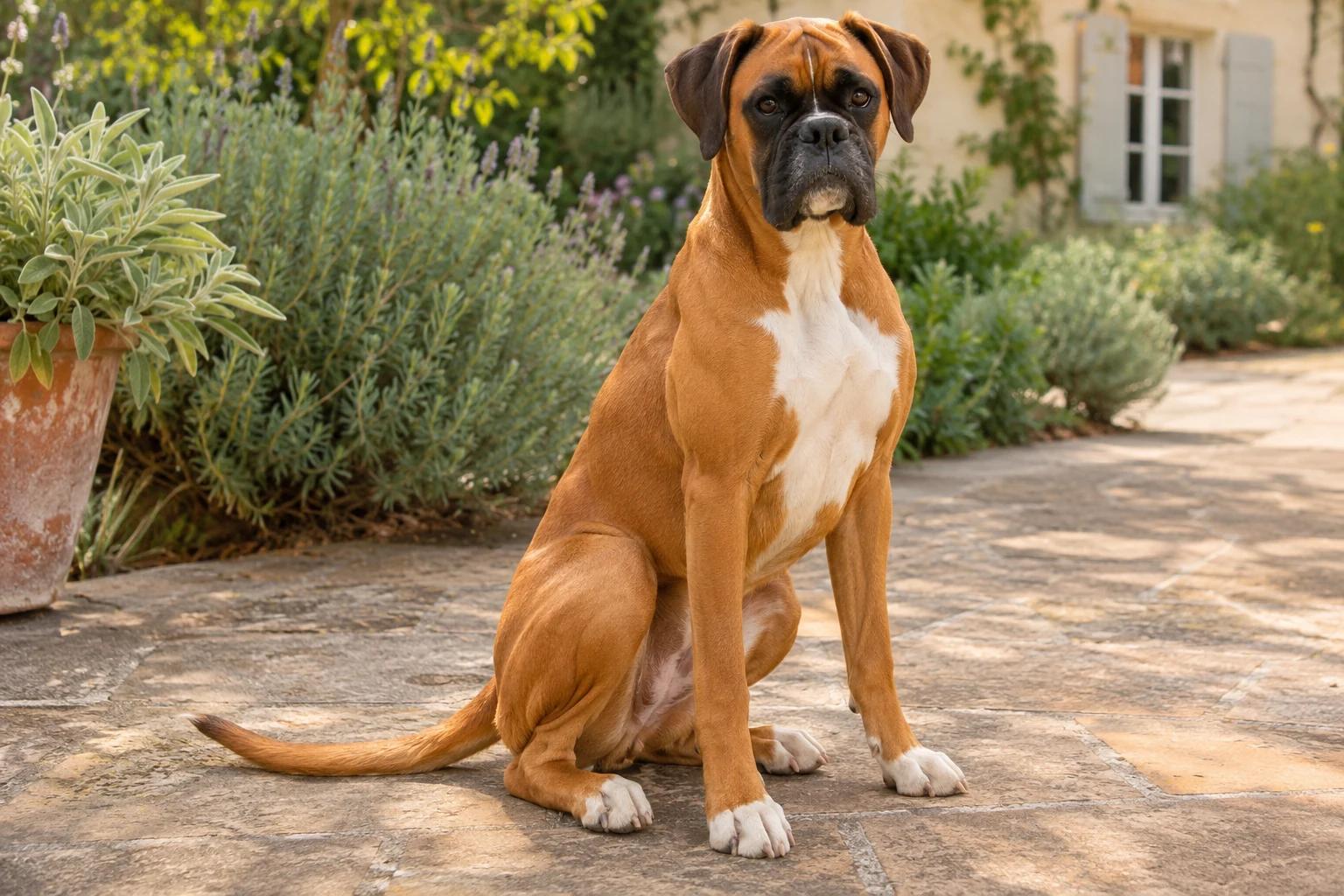
Boxer dog exercise needs call for a deliberate daily routine, not a last-minute attempt to use up energy before bedtime. Walks matter, but so do learning, suitable play, company, and opportunities to rest. Your plan should be substantial enough for an active companion and flexible enough for the individual dog's limits.
The Boxer profile describes a demanding activity commitment. Its everyday notes mention more than a couple of hours of activity, but that is a broad breed description, not a universal exercise prescription or a target to enforce regardless of age and health.
Boxer dog exercise needs: build the day in parts
The American Boxer Club education page describes a high-energy breed that enjoys physical and mental challenges. That combination is a useful reason to plan variety rather than treating one long, repetitive outing as the whole answer.
Start by listing the opportunities your day already contains. There may be an outing before work, time with a caregiver during the day, and a quieter learning session later. Identify gaps before adding ambitious weekend plans.
Ask the current caregiver what the dog normally does and discuss changes with your veterinarian. An unfamiliar dog should not be expected to jump straight into your ideal schedule. Build a plan from actual history and individual assessment.
Distinguish activity from hard exertion
A day can contain movement, investigation, learning, and relaxed companionship without making every minute physically demanding. Keep those categories separate when you describe the routine to a professional.
Do not convert a general activity estimate into hours of running. The type of activity, conditions, and dog's response matter. A written plan should leave room to shorten, change, or cancel an outing when appropriate.
How much exercise does a Boxer need?
People asking how much exercise does a Boxer need often want a number that will make scheduling easy. A more useful answer starts with the dog's age, current condition, experience, and the proposed activities.
A growing puppy, a fit adult, and an older dog with a changed routine need different discussions. Ask your veterinarian what is suitable and what should prompt reassessment. Do not assume that a lively attitude settles the question.
Bring practical details to that conversation: the routes you use, the pace you imagine, whether there will be jumping or sustained running, and how often the activity occurs. “We are active” is less informative than a clear description of the plan.
Keep a simple record after changes. Note the outing and anything unusual, without trying to diagnose the cause. If comfort, willingness, or recovery seems different, contact your veterinarian rather than pushing toward an online quota.
A Boxer dog daily walk with options
A Boxer dog daily walk should have a purpose and a way to adapt. Choose routes where you can shorten the trip and avoid being committed to a long return simply because you started a loop.
Review the departure as well. Suitable equipment, a clear doorway, and a handler who knows the plan can make the first minutes more manageable. If handling is difficult, get training help rather than hoping a busier route will distract the dog.
Include opportunities for calm observation or a familiar easy cue where appropriate. The walk need not become a nonstop march, but neither should you feel obliged to approach every dog or person you meet.
Check the route at the time you will use it
A quiet path on Sunday morning may be crowded after school or during a commuter rush. Think about the actual time, surfaces, access points, and places where you may need to turn back.
Keep arrangements clear when another person walks the dog. Explain the usual route, any current limitations, and how to contact you. Shared care works better when the helper has specific information rather than just “give the Boxer a good walk.”
Boxer dog activity level and useful variety
Boxer dog activity level includes a need for engagement, not just distance. Consider suitable training games, supervised exploration, and activities you can teach gradually with qualified guidance.
Choose one new activity at a time. Ask what preparation, equipment, and physical readiness it requires before treating it as a regular part of the week. Watching an introductory class can help you decide whether the activity suits both you and your dog.
At home, keep quieter options available. A brief familiar learning task may be useful when a long outing is unsuitable. Do not replace a missed walk with an intense indoor session merely to feel that the energy budget has been balanced.
Give rest a real place in the plan. A dog that is repeatedly interrupted or continually invited to restart a game does not have the same opportunity to settle as one with a predictable quiet period. If the pattern remains difficult, ask a trainer to review the day.
Containment and weather are part of exercise planning
The American Boxer Club FAQ advises leash or fenced-area exercise and notes sensitivity to temperature extremes. Use those limited principles to frame your arrangements, with veterinary guidance for the individual dog's weather-related needs.
Check gates and access points before using an enclosed area. A familiar location can change when maintenance, visitors, or another user leaves an entrance unsecured. Do not use recall alone as a substitute for an appropriate setting.
Review weather before departure rather than once you are committed to the outing. Ask your veterinarian how heat, cold, and the dog's history should alter the plan. Avoid relying on a universal temperature threshold.
If a dog collapses, has difficulty breathing, or appears seriously unwell, stop and seek urgent veterinary help. Changes that are less dramatic still deserve attention when they are new or persistent. An energetic breed label should never be used to dismiss a concern.
Keep the routine sustainable
After a week, look at what you could actually maintain. Did outings repeatedly become rushed? Was the chosen activity enjoyable for the dog? Was the backup plan realistic? Adjust those logistics before committing to more elaborate goals.
For a separate household topic, see the Boxer and children playtime plan. Adult-led supervision remains important, but this exercise article is about organizing the dog's broader activity routine.
Prospective owners can use the breed quiz to compare that commitment with other priorities. Choose the breed because you want to make room for its daily needs, not because you expect a garden or occasional strenuous weekend to replace them.
FAQ
Does every Boxer need the same amount of exercise?
No. Age, condition, experience, and the kind of activity matter. Treat breed descriptions as planning context and ask your veterinarian for guidance suited to your individual Boxer.
Is a garden enough for Boxer exercise?
A garden is a useful space, not a complete activity plan. Consider outings, learning, company, and suitable supervised activities rather than assuming the dog will organize its own routine.
Can I make up missed activity with one hard weekend session?
Do not assume that occasional strenuous exercise replaces a consistent routine. Discuss changes in activity with your veterinarian and build a plan you can maintain during ordinary weekdays.
What should I do when weather changes the plan?
Adapt or postpone unsuitable activity and use appropriate quieter options where possible. Follow individual veterinary guidance rather than forcing the planned route or replacing it with intense indoor exertion.
Sources behind this article
Article source checked: November 14, 2026. Source checked 2026-11-14
Keep reading

Afghan Hound Exercise Needs: Build a Workable Active Day
Read article →