Bouvier des Ardennes vs Bouvier des Flandres: Home Fit
Compare the two Bouvier breeds through adult size, grooming, activity, training, and the practical routines each would bring to your home.
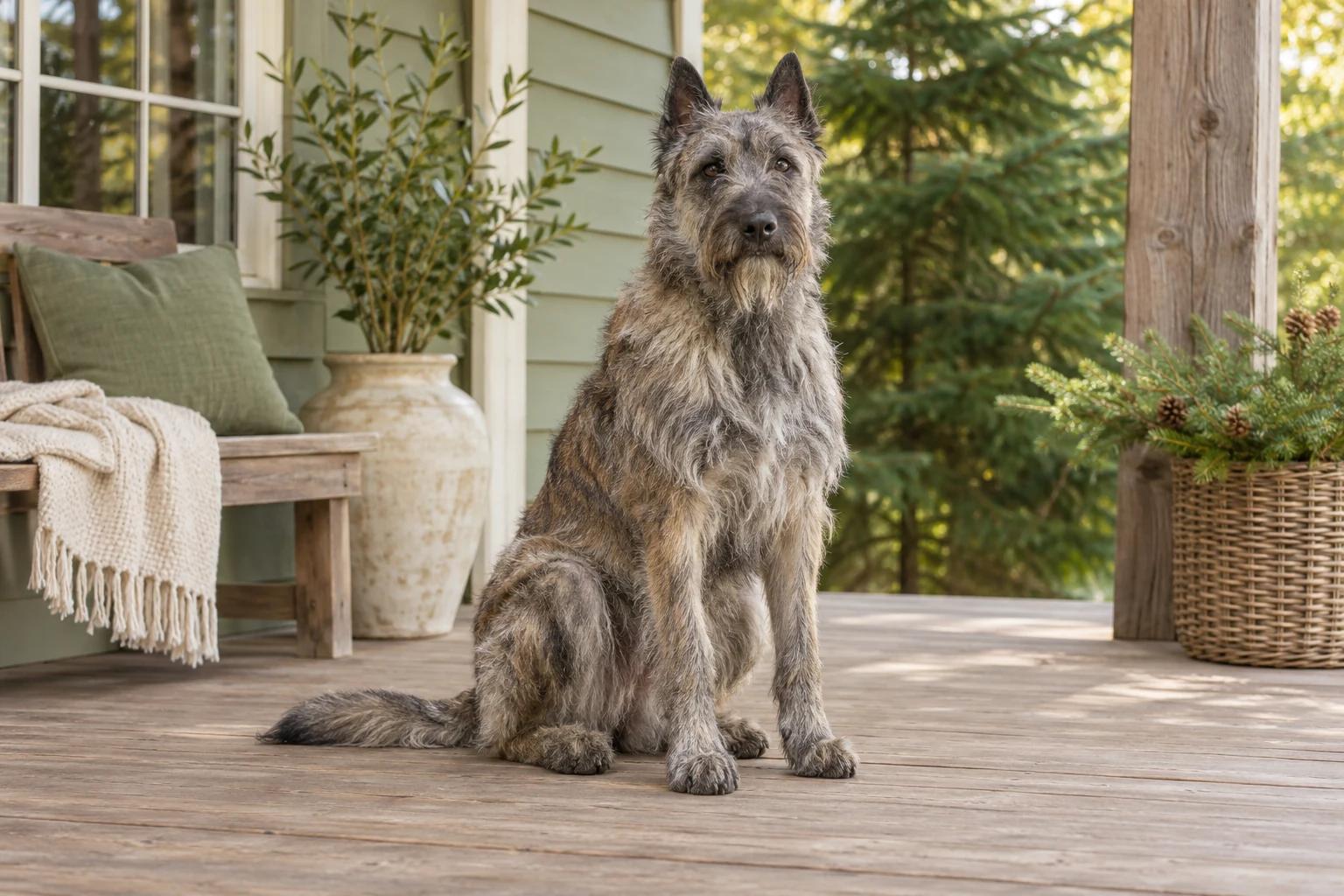
Bouvier des Ardennes vs Bouvier des Flandres is not a choice between interchangeable versions of the same dog. The shared name can obscure useful differences in adult size, coat maintenance, and everyday activity. Start with the routine each would require rather than assuming one is simply a smaller copy of the other.
Read the Bouvier des Ardennes profile and Bouvier des Flandres profile together. Then compare those reference descriptions with what caregivers can tell you about the actual dogs and their families.
Bouvier des Ardennes vs Bouvier des Flandres: the clearest contrasts
The site's Flandres adult weight reference is 60–88 pounds, while the Ardennes reference spans 49–77 pounds across males and females. That makes adult handling and transport an important part of the comparison, even though individual weights can overlap.
Coat time is another practical contrast. The site's everyday notes suggest brushing once or twice weekly for the Ardennes and most days for the Flandres. These are starting descriptions to discuss with an experienced groomer, not complete care instructions for every dog.
The activity notes describe a more demanding daily activity commitment for the Ardennes. Both still need a purposeful routine. Do not choose the Flandres on the assumption that a comparatively lower reference means it will manage with little involvement.
Compare the jobs, not just the adjectives
Write down what someone in your home would actually do: outings, training practice, brushing, appointments, and company. Assign a person and a realistic time to each task.
This may reveal that you enjoy one breed's likely care pattern more than the other. A person who likes frequent coat work may weigh the grooming difference differently from someone who would rather spend that time on structured activities.
Different outlines, substantial adults
The FCI Ardennes standard describes a compact, energetic dog. The AKC Flandres overview emphasizes a substantial working build. Neither description should be reduced to an appearance preference without considering the adult living space.
Measure your vehicle and the places the dog will rest. Include entrance width, turning space, and the position of doors. A bed that fits into a corner is not useful if the dog must block the room's main route to lie on it.
Think about assistance too. Who could help if the dog needed support getting to an appointment? Does your transport plan still work when another person or luggage is present? These questions become particularly important toward the larger end of the Flandres reference.
Avoid buying equipment solely from a breed recommendation. Use the individual dog's measurements and the manufacturer's fitting instructions, and be prepared to change arrangements as a puppy grows.
Difference between Bouvier des Ardennes and Bouvier des Flandres care
A useful difference between Bouvier des Ardennes and Bouvier des Flandres care is the amount of regular coat work described by the site. Ask to see the process, not just the finished dog. A freshly groomed photograph hides the time and technique required between appointments.
For the Flandres, discuss how to maintain the coat throughout the week and what professional appointments involve. Ask for a demonstration you can repeat at home, including how to recognize when an area needs help rather than more force.
For the Ardennes, a less frequent brushing reference does not mean ignoring the coat or other routine care. Ask which checks fit the dog's activities and how to manage the particular coat you are adopting.
Put the actual care arrangement into your budget. Include a backup when the usual caregiver is away. An impressive grooming plan is not useful if it only works during an unusually quiet week.
Learning and activity should be things you want to do
Both profiles give training a place in daily life. Compare your interest in teaching and practicing useful behaviors, not simply your ability to provide a garden. Space can help with logistics, but it does not plan the dog's day.
Ask caregivers what kinds of learning each dog enjoys. Which rewards are useful? What happens when the surroundings change? Which household habits took deliberate practice? Specific examples help you decide whether the relationship appeals to you.
Discuss appropriate physical activity with your veterinarian. A published activity description is not a prescription for a puppy, an older dog, or an individual with health concerns. Build flexibility into the plan instead of treating the most demanding example as a minimum to enforce.
You might enjoy regular training classes, carefully chosen games, or a suitable dog sport. Investigate instruction and access before making them the foundation of your ownership plan. An activity that exists only on a distant wish list cannot fill next Tuesday's schedule.
Bouvier des Flandres vs Bouvier des Ardennes in a busy home
A Bouvier des Flandres vs Bouvier des Ardennes comparison should include what happens when people come and go. Both need clear household arrangements, thoughtful introductions, and an appropriate place to rest.
Ask about the individual dog's response to visitors and unfamiliar handlers. Do not turn working heritage into a promise of protection or encourage the dog to decide who should enter. Establish your own arrival routine with professional help where needed.
Children and other animals require individual assessment and active supervision. A shared breed background cannot establish compatibility with your particular household. Plan separate resources and quiet spaces rather than relying on a successful first greeting.
Consider neighbors and shared boundaries without trying to rank the breeds as silent or noisy. Ask what prompts barking in the actual dog and whether your environment would repeatedly create those situations. Management should be part of the decision, not a problem postponed until after arrival.
Bouvier des Ardennes or Bouvier des Flandres: choose with evidence
When deciding between Bouvier des Ardennes or Bouvier des Flandres, ask the same practical questions of both caregivers. Compare adult relatives, current routines, care records, and the support offered after placement.
Missing information should remain a question, not become a reassuring assumption. Discuss health records with your veterinarian and do not interpret a sparse screening list as evidence that a breed has no health concerns.
For historical context specific to the Ardennes, read the farm-dog rediscovery story. For a broader check of your priorities, use the breed quiz. The final choice should be a routine and an individual dog you can support, not merely the name that sounds most familiar.
FAQ
Are the two Bouvier breeds the same size?
No. The site's Flandres reference is generally larger, although individual weights may overlap. Check the actual adult measurements and plan transport and equipment accordingly.
Which Bouvier needs more brushing?
The site's everyday notes suggest most-days brushing for the Flandres and once or twice weekly for the Ardennes. Ask an experienced groomer to adapt those starting points to the individual coat.
Is the Ardennes just a smaller Flandres?
No. They are distinct breeds with separate reference descriptions. Compare their activity, care, and individual behavior rather than assuming that size is the only meaningful difference.
Which is easier for a first-time owner?
There is no dependable answer from the names alone. Both require preparation and support. Consider your training interest, care time, handling arrangements, and access to experienced help before choosing an individual dog.
Sources behind this article
Article source checked: November 14, 2026. Source checked 2026-11-14
Keep reading

Affenpinscher vs Brussels Griffon: Everyday Differences
Read article →