Bloodhound vs Basset Hound: Compare Everyday Commitments
Compare Bloodhound and Basset Hound size, activity, coat care, voice, and home routines to decide which questions matter most for your household.
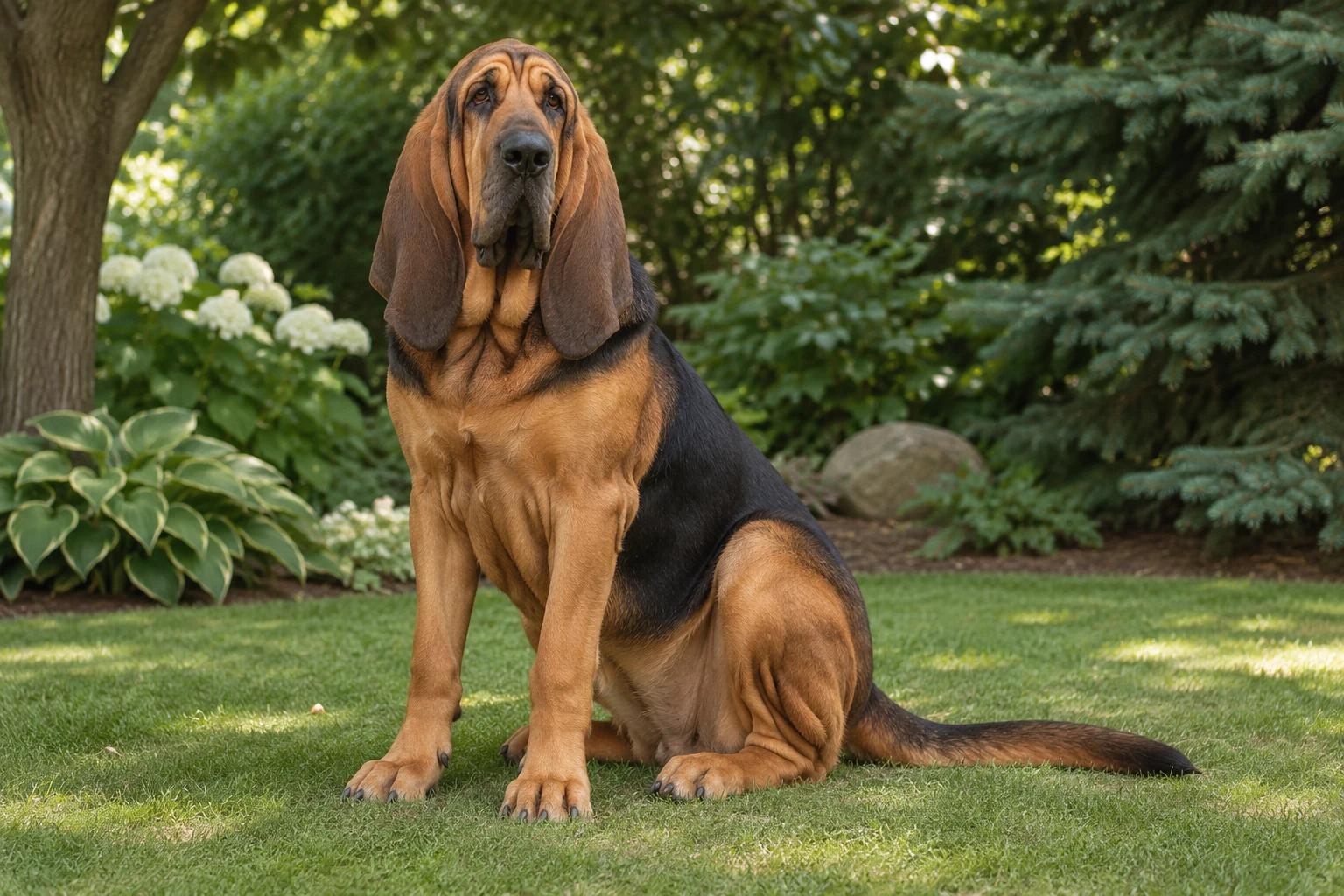
The Bloodhound vs Basset Hound decision is not simply a choice between a tall hound and a short one. Size changes handling and household arrangements, while activity, voice, and daily care affect the rhythm of the week. Looking at those commitments separately gives you a clearer comparison than deciding which face you prefer.
Start with the Bloodhound profile and Basset Hound profile. Then use the differences below to plan questions for the people who know the individual dogs you are considering.
Bloodhound vs Basset Hound: start with physical scale
My Breed Atlas lists typical Bloodhound weight at 101–119 pounds for males and 88–106 pounds for females. The Basset Hound reference range is 53–77 pounds. That is a substantial difference when you think about transport, equipment, and maneuvering through the home.
Height adds another distinction. The Bloodhound reference lists males at 25–27 inches and females at 23–25 inches, while the Basset Hound is listed at up to 15 inches. A lower silhouette does not mean a lightweight dog you can casually carry everywhere.
The AKC Basset Hound introduction emphasizes its low-set outline and generally low-key character. The AKC Bloodhound introduction highlights persistence around scent alongside a relaxed off-duty manner. Neither short description replaces looking at daily needs.
Try a space audit before buying equipment
Measure the area available for a resting place and check the route from that spot to the exit. Think about whether people can pass without stepping over the dog or moving furniture each time.
Do the same with the car. Ask about suitable travel arrangements and check actual dimensions. A photograph of a dog fitting across a back seat is not a substitute for equipment chosen and used according to its instructions.
The activity difference matters more than the expression
The newer My Breed Atlas everyday notes describe a much larger activity commitment for the Bloodhound than for the Basset Hound. The Basset's described day includes about an hour of active time; the Bloodhound's description involves more than a couple of hours. These are breed-profile planning descriptions, not exercise prescriptions for an individual animal.
That difference should influence the question of Bloodhound or Basset Hound more than the assumption that both look restful. An owner who enjoys long, activity-rich days may see the Bloodhound differently from someone seeking a more modest outing routine.
Write down what you already do on ordinary weekdays. If the proposed dog routine requires a completely different life, identify exactly what will change and who will make it happen. Do not count an occasional holiday hike as a substitute for a sustainable week.
For questions about an individual dog's exercise, age, or physical comfort, talk with your veterinarian. The comparison is intended to help you choose what to investigate, not tell you how far a particular dog must walk.
Learning and scent interest require practical planning
The difference between Bloodhound and Basset Hound ownership is not that one needs training and the other does not. The site's newer notes include daily training games for both. Think about the skills that make your particular home function.
For example, you may need a predictable wait at the entrance, a comfortable place to settle while you work, or a practiced transition from the car to the pavement. Those tasks are more useful starting points than comparing breeds by a vague intelligence ranking.
The American Bloodhound Club FAQ stresses secure fencing and leash management for Bloodhounds. Ask equivalent practical questions about any dog: how are outdoor boundaries managed, which equipment is familiar, and what situations make attention difficult?
Observe a lesson rather than asking for a score
If possible, watch the caregiver practice a familiar task with the dog. Notice the setting, reward, and amount of help offered. Ask what changes when distractions increase.
This shows you something concrete about communication. A broad statement that a breed is easy or difficult to train cannot tell you whether the individual dog's existing skills match your daily needs.
Short coats still bring ongoing care
Both profiles describe short, smooth coats. For the Bloodhound, the current care recommendation is: Brush weekly ordinarily. During heavy spring or fall shedding, try three or four sessions a week, or daily at the peak as needed. Neither should be chosen on the assumption that a short coat eliminates cleanup. The Bloodhound profile describes regular shedding; the Basset's newer notes describe loose hair through the year.
Set aside space for grooming supplies and washable bedding before the dog arrives. Ask a groomer what home techniques to learn and which tasks need professional instruction. A simple routine followed consistently is more useful than an elaborate kit that stays in a cupboard.
Drool and general mess also deserve an honest conversation with the current caregiver. Ask what a normal cleanup routine looks like rather than trying to rank the breeds by how tidy a single photographed dog appears.
The practical comparison is whether you are willing to maintain the arrangement. If washing covers and keeping cloths nearby feels unacceptable, choosing the smaller hound will not automatically resolve that preference.
Voice can affect either housing choice
The site's newer everyday descriptions identify frequent vocal tendencies for both breeds. That makes noise a question to investigate for either one, especially where walls are shared or household members sleep at different times.
Ask for examples of when the dog vocalizes. Is it related to arrivals, activity outside, anticipation, or another identifiable situation? Find out what the caregiver currently does and whether that arrangement is realistic in your home.
Avoid treating square footage as the only housing criterion. Access to outings, entrances, resting space, neighbors, and the people handling the dog all contribute to whether the routine works.
Choose the commitment, then meet the dog
For a Basset Hound vs Bloodhound shortlist, identify your three most important practical limits. They might involve physical handling, activity time, or noise. Use those limits to guide meetings rather than collecting general compliments about each breed.
Our dog breed quiz can help organize that shortlist. For a separate look at structured activities with the larger hound, explore Bloodhound mantrailing and tracking. You do not need to choose a sport before deciding whether everyday ownership fits.
FAQ
Which is usually larger, a Bloodhound or Basset Hound?
The Bloodhound is substantially larger in the My Breed Atlas reference. Bloodhounds are listed at 88–119 pounds across the male and female ranges, while Basset Hounds are listed at 53–77 pounds. Individual size still needs to be considered when planning equipment.
Which breed has the lower activity commitment?
The site's newer daily-life descriptions indicate a lower activity commitment for the Basset Hound than the Bloodhound. That comparison does not mean a Basset needs no outings or learning. Discuss an individual dog's actual routine before deciding.
Is either breed automatically a quiet apartment choice?
No. My Breed Atlas describes frequent vocal tendencies for both. Ask about the individual dog's voice, triggers, daily routine, and outdoor access rather than using appearance or height to predict suitability for shared-wall housing.
Is the Basset Hound simply a smaller Bloodhound?
No. They are separate breeds with different physical proportions and activity profiles. Compare the actual commitments and individual dogs instead of expecting the Basset Hound to provide the same experience in a shorter body.
Sources behind this article
- AKC Bloodhound overview ↗
- AKC Basset Hound overview ↗
- American Bloodhound Club: Frequently Asked Questions ↗
- SKK judges’ guide average reference — adult-weight reference ↗
Article source checked: November 14, 2026. Source checked 2026-11-14Article source checked: November 18, 2026. Source checked 2026-11-18
Keep reading

Affenpinscher vs Brussels Griffon: Everyday Differences
Read article →