Black Russian Terrier vs Giant Schnauzer: Practical Differences
Compare Black Russian Terrier vs Giant Schnauzer size, activity, grooming, and handling needs before choosing an individual dog.
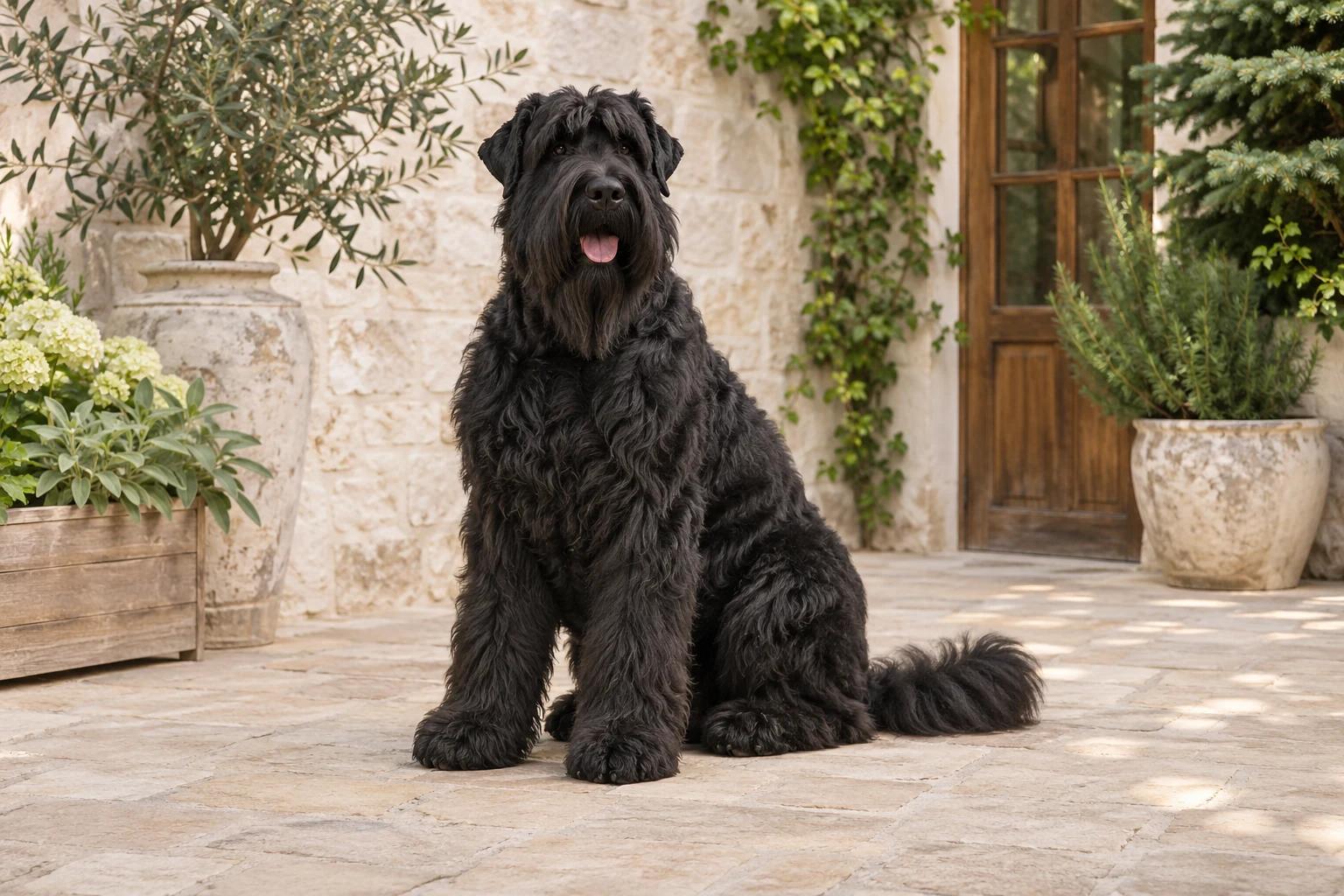
A Black Russian Terrier vs Giant Schnauzer comparison can begin with a similar bearded silhouette, but the ownership decision needs more detail. Size, activity, coat upkeep, and everyday handling all deserve attention. Neither dog should be chosen simply because it looks imposing or because you prefer one outline in a photograph.
Start by comparing the routines you would provide. Then use breed tendencies to guide questions about the individual dogs, rather than treating a comparison chart as a prediction of personality.
Black Russian Terrier vs Giant Schnauzer: physical scale
The Black Russian Terrier profile lists 99–132 pounds, with male heights of 27–30 inches and female heights of 26–29 inches. The Giant Schnauzer profile lists males at 75–95 pounds and females at 55–80 pounds, with heights of 25.5–27.5 and 23.5–25.5 inches respectively.
Their listed height ranges overlap, while the Black Russian Terrier's weight range sits above the Giant Schnauzer's. That is a practical difference when planning transport, equipment, and the space needed for care. It does not make the Giant Schnauzer a small or effortless alternative.
The AKC Black Russian Terrier introduction emphasizes a powerful working dog. Its Giant Schnauzer introduction likewise highlights strength and working ability. Use those descriptions as reasons to assess your arrangements carefully, not as measures of which dog is better.
Include every regular caregiver
Think about who will walk, transport, and care for the dog. Can each person manage the setup comfortably? Does the vehicle arrangement work for the actual dog? Is there room to reach the coat during routine maintenance?
For an adult, use measurements rather than estimates from a breed photograph. For a puppy, plan around the adult reference while recognizing that the individual's final dimensions are not settled by a single early measurement.
Activity is not the same commitment for every household
The site's newer notes describe a brisk outing for the Black Russian Terrier and a more demanding activity pattern for the Giant Schnauzer. Both also need meaningful engagement with learning. That distinction is worth exploring without turning it into a rigid daily quota.
In a Giant Schnauzer vs Black Russian Terrier decision, examine the week you actually have. What can you provide before and after work? Do you enjoy practicing skills or participating in an appropriate activity? Who helps when the schedule changes?
If one dog's routine would require constant rearrangement, do not assume enthusiasm will solve the problem indefinitely. Choose a plan that remains workable on busy days and discuss the particular dog's established needs with its caregiver.
Compare quality of involvement
A long outing and an engaged learning session offer different experiences. Consider both rather than measuring your contribution only by distance traveled. Ask what the individual enjoys and what is already part of its normal day.
Talk with your veterinarian before adding a demanding physical activity. A working-breed description provides background, not an assessment of the dog's current readiness for your preferred sport or pace.
Grooming belongs near the top of the comparison
Both newer profiles describe brushing most days. If you are choosing a Black Russian Terrier or Giant Schnauzer, there is no good reason to treat coat care as a minor detail to solve later.
Ask a groomer about the presentation you want and the maintenance it requires. Compare similar practical trims rather than one full show coat with another dog's short companion finish. Your styling choices can change the workload you are comparing.
Include preparation, appointments, and cleanup in the time budget. A large dog needs space and handling cooperation as well as a suitable brush. Identify the tasks you can learn at home and those you will have a professional perform.
Ask about the actual coat rather than relying on a broad low-shedding label. The useful ownership question is what you need to do consistently, not how a marketing description makes the coat sound.
Introductions and handling need deliberate planning
Both profiles describe a tendency to need patient introductions to unfamiliar people. Do not translate that into a claim that every individual will react alike, and do not choose either breed as a shortcut to a particular protective behavior.
Discuss the dog's known experience with visitors, care appointments, travel, and other animals. Ask for ordinary examples: what happens when someone arrives, how the dog settles, and which situations currently need support.
Plan household procedures before relying on training alone. Where will the dog rest during a busy visit? How will equipment be fitted? What will another caregiver do? Clear arrangements make it easier to teach useful actions and avoid conflicting expectations.
If you need help, look for a reward-based professional who can explain the plan and work with the individual dog. You should understand what is being taught and how it improves the specific situation.
Look beyond a shared outline
The difference between Black Russian Terrier and Giant Schnauzer is not something you can resolve by comparing beards. A photograph says little about how a dog learns, handles company, or fits your schedule.
Meet dogs where possible and ask the same practical questions about both. Separate what has been observed from what is assumed because of the breed name. For puppies, recognize that early experiences are a starting point, not a finished adult pattern.
If children or other animals are part of the home, discuss the individual's history and plan supervision and separate spaces. Neither breed description establishes compatibility for a particular household.
The dog matching quiz can help you organize preferences before those conversations. The Black Russian Terrier working-origins article explores the historical connection separately. Here, the decision is practical: which individual dog's daily needs can you support with confidence and consistency?
FAQ
Is a Black Russian Terrier bigger than a Giant Schnauzer?
The site's Black Russian Terrier range extends higher in height and weight. The listed weight ranges do not overlap, though individual dogs can differ from reference figures. Black Russian Terriers are listed at 99–132 pounds; Giant Schnauzers span 55–95 pounds overall. Use actual measurements when planning transport and equipment.
Which breed needs more activity?
The site's newer notes describe a more demanding activity pattern for the Giant Schnauzer, while still expecting a brisk outing and learning for the Black Russian Terrier. Investigate the individual dog's routine rather than converting that comparison into a fixed exercise prescription.
Is either breed easy to groom?
Both profiles describe brushing most days, so coat maintenance is a meaningful commitment for either choice. Discuss an individual grooming plan and a practical presentation with an experienced groomer. Include home upkeep, professional appointments, and handling practice in your decision.
Which breed is the better household choice?
There is no universal winner. Compare size, activity, coat care, handling, and the individual dog's known behavior with your actual home and schedule. Ask the same questions about both and choose a routine you can sustain rather than an appearance you admire.
Sources behind this article
Article source checked: November 14, 2026. Source checked 2026-11-14
Keep reading

Affenpinscher vs Brussels Griffon: Everyday Differences
Read article →