Black Russian Terrier Grooming: Make the Coat Manageable
Plan Black Russian Terrier grooming with a practical trim, a workable home setup, and clear expectations for appointments and upkeep.
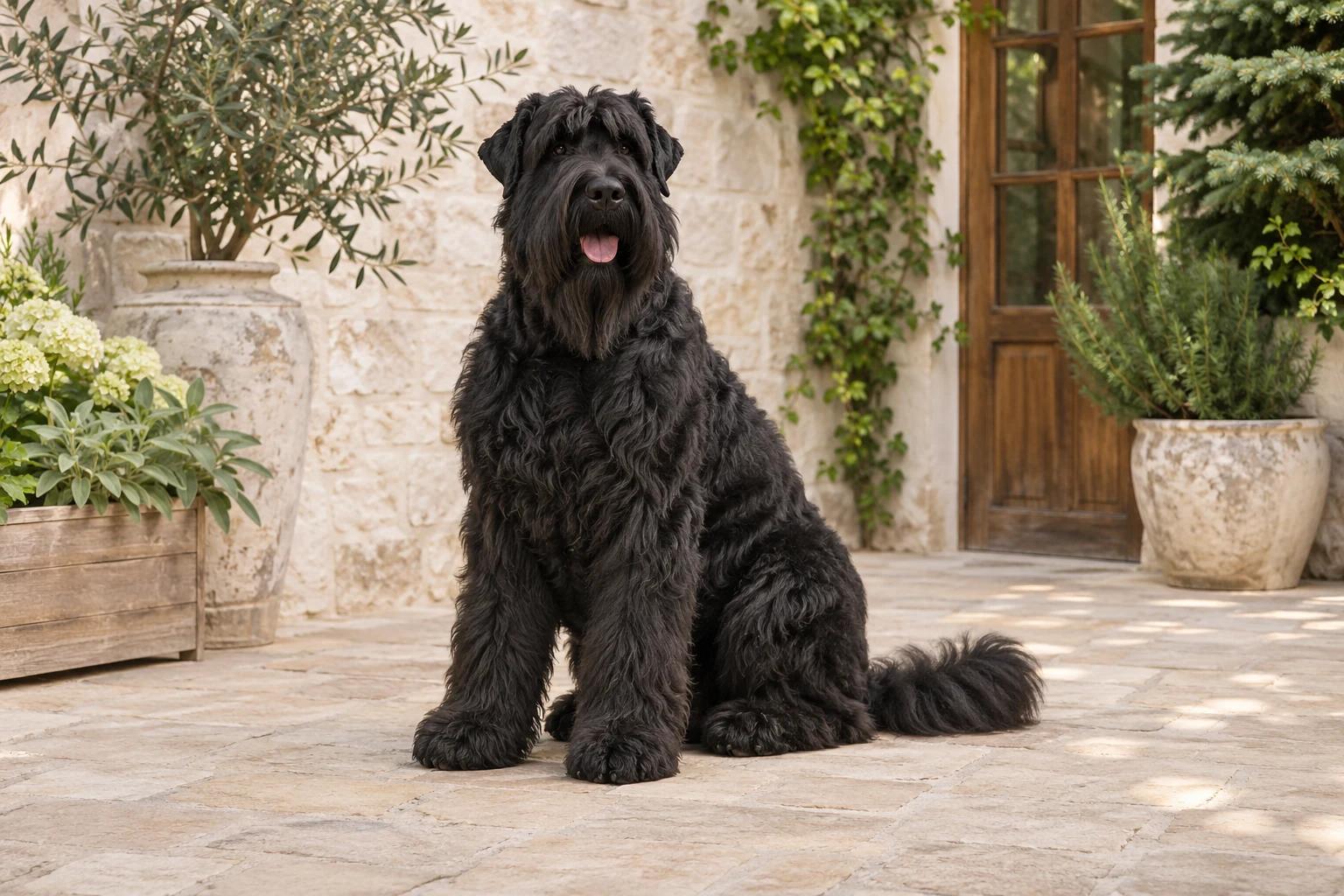
Black Russian Terrier grooming is a substantial part of ownership, not a finishing touch added when a haircut looks overdue. A large dog with a sizeable coat needs an organized home routine and a clear relationship with the person doing the trimming. The useful question is how to make that care manageable throughout the year.
The Black Russian Terrier profile describes brushing most days as the usual plan. Before choosing a dramatic outline from a photograph, consider the space, time, and practical skills needed to maintain your own dog's coat.
Black Russian Terrier grooming needs a plan for the whole dog
The AKC overview describes a powerful, large working dog. That physical scale matters during care. You need room to reach the coat, equipment suited to the dog, and a setup that does not depend on awkward lifting or hurried improvisation.
Start by choosing where routine checks will happen. Look at access, footing, lighting, and the space needed for both you and the dog to move. A location that works for a small puppy may not remain practical as the dog grows.
Ask a groomer to assess your proposed arrangement. If professional equipment or assistance is needed for a particular task, build that into the plan rather than trying to reproduce a salon with unsuitable household furniture.
Separate home upkeep from appointment work
Write two lists: what you will maintain at home and what the groomer will handle. Review them together. This avoids the common misunderstanding in which an owner expects an appointment to replace all work between visits while the groomer assumes that work is happening.
Keep the lists specific. “Maintain the coat” is vague; a demonstration of the areas to check and the tools to use gives you something you can repeat. Ask how to recognize when a task has moved beyond routine maintenance.
Black Russian Terrier coat care includes the furnishings
The BRTCA grooming resource identifies the beard and longer furnishings as areas requiring regular attention. It also emphasizes gradual, positive introductions to care. Those points provide a useful starting framework without requiring you to imitate a full show presentation.
For Black Russian Terrier coat care, think in sections. Make a simple record of the body, legs, face furnishings, and places affected by equipment. Ask your groomer which areas are most likely to need extra attention in your dog's chosen trim.
After an outing, notice what the coat has collected and which parts stay damp or untidy. The value is in recognizing patterns: a particular path, activity, or length of furnishing may create a recurring maintenance task.
Do not assume that brushing the visible surface means the entire coat has been checked. Have the groomer demonstrate how to assess a small section and how to recognize resistance without pulling through it.
Keep observations useful
Bring specific questions to appointments. “This area becomes difficult after our woodland walk” gives the groomer a practical problem to address. A vague request for less maintenance may produce a style change without solving the part you find hardest.
Photographs can help communicate the issue, but they do not replace an in-person assessment of the coat. Ask what you can change at home and what needs professional attention.
Choosing a Black Russian Terrier haircut
A Black Russian Terrier haircut should fit the individual coat, your activities, and the maintenance you can provide. The club's grooming information allows for practical companion presentations rather than insisting that every dog retain a full show coat.
Discuss the result in plain terms. How much length do you want on the body? How will the face and legs be maintained? Which features of the photograph do you actually like? Style names alone can mean different things to different people.
Ask about the work that remains after a shorter trim. Less length can change the routine, but it does not eliminate coat checks or the need to become comfortable with handling. Choose a finish you can sustain, not merely one that looks easier on the day it is completed.
Keep a photo and a written note after a successful appointment. Record what was convenient and what you would adjust next time. That turns the next visit into a refinement rather than a completely new discussion.
Learn how to groom a Black Russian Terrier through demonstration
If you want to learn how to groom a Black Russian Terrier, start with a limited task and professional guidance. Watch the technique on your own dog's coat, then practice while the groomer can correct your approach.
Ask why a tool is being used, how much pressure is appropriate, and what should make you stop. Those questions are more valuable than purchasing a large collection of equipment without understanding its purpose.
Introduce the setting and tools in manageable steps. Practicing a brief, comfortable part of the routine is different from expecting the dog to accept an entire appointment without preparation. Tell the groomer which tasks are familiar and which remain difficult.
If handling becomes uncomfortable or the skin changes, talk with your veterinarian. Do not turn a grooming lesson into an attempt to diagnose or treat a physical problem.
Make the calendar realistic
Plan time for preparation and cleanup as well as brushing. Supplies need to be organized, bedding may need attention, and professional appointments require travel. Those ordinary details are part of the true commitment.
Before booking, discuss the dog's size, coat condition, preferred presentation, and handling experience. Ask what information the groomer needs and what maintenance is expected before the next visit. A clear handover helps both sides prepare.
Consider backup arrangements. Who can maintain the routine if you are away or temporarily unable to do it? If the answer is a family member, make sure that person has learned the tasks rather than simply knows where the brush is kept.
Use the dog matching quiz to think about the grooming involvement you enjoy. For a separate topic, the Black Russian Terrier working-origins article explains the breed's background. The coat routine you choose today should be based on the dog and household in front of you.
FAQ
Is Black Russian Terrier grooming a major commitment?
Yes. The site's profile describes brushing most days, and the dog's size adds practical work to preparation and handling. Plan home upkeep and professional trimming together. A manageable routine is more useful than choosing a presentation without understanding its maintenance.
Does a companion Black Russian Terrier need a show haircut?
No. A practical companion trim can be discussed with an experienced groomer. Explain the appearance you prefer and the upkeep you can provide. Ask what care remains between appointments rather than assuming a shorter haircut removes the need for maintenance.
Can I learn to groom the coat myself?
You can learn appropriate home tasks through demonstration and supervised practice. Start with a limited part of the routine, understand the tools, and know when to stop. Leave work beyond your skill or equipment to an experienced professional.
What should I tell a new groomer?
Describe the dog's size, current coat condition, handling experience, and the finish you want. Explain your home routine and any recurring difficulties. Photos and specific observations help, but an assessment of the actual coat should guide the plan.
Sources behind this article
Article source checked: November 14, 2026. Source checked 2026-11-14
Keep reading

Affenpinscher Grooming: A Practical Coat-Care Routine
Read article →