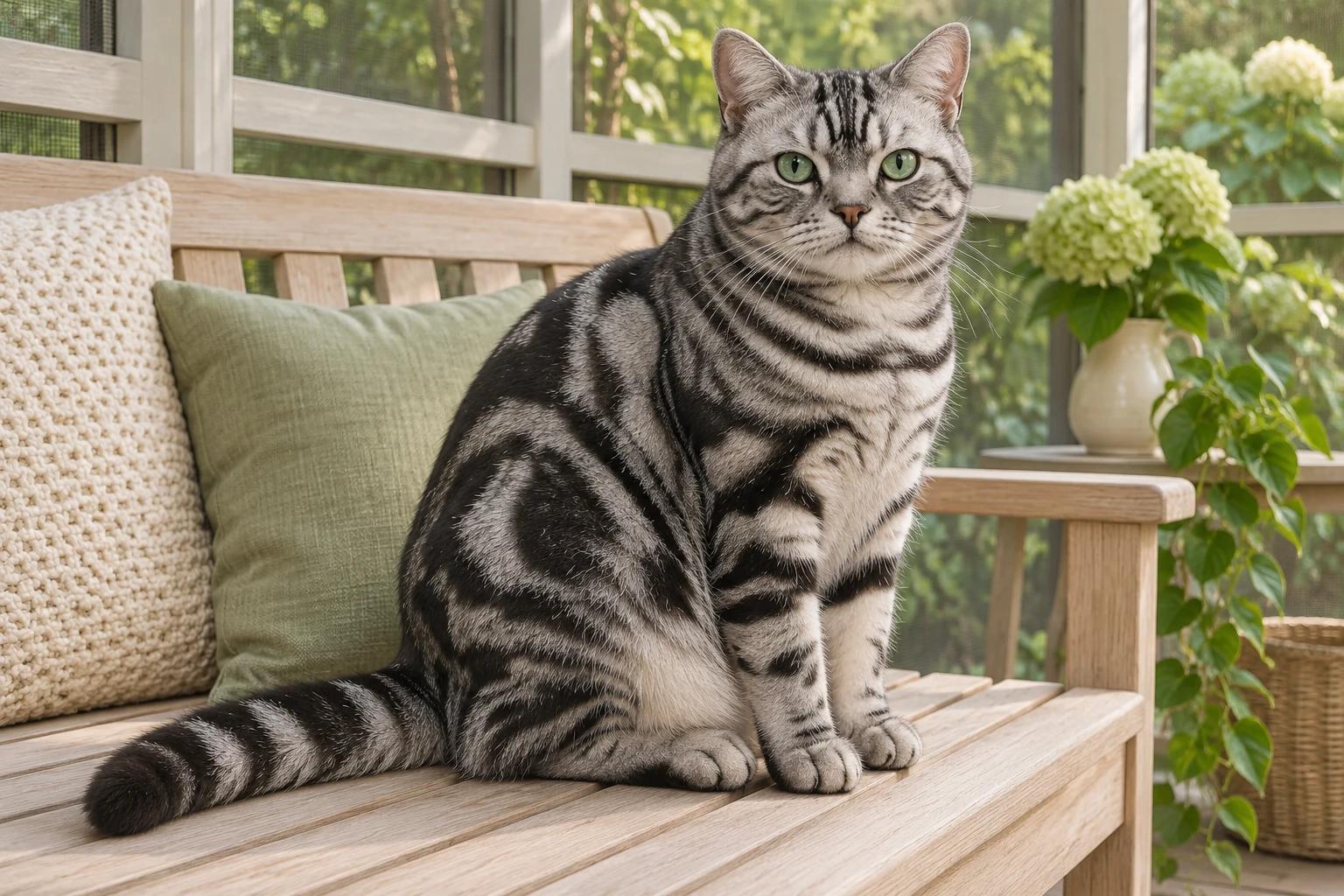
Birman cat training
Make Birman cat training practical with a nose target, voluntary paw contact and predictable handling, adapted to the individual cat.

Birman cat training should be about a particular skill, not proving that the cat matches an intelligence label. The current Birman profile is a useful introduction to the breed, but it cannot tell you which cues this individual has learned. Start by distinguishing a new lesson from a familiar behavior that already has a name.
Birman cat training with a nose target
FelineVMA's training guide explains targeting as moving toward and touching an object. Present a suitable target just in front of the cat's nose, reward contact, then gradually move it farther away so approaching and touching remain the recognizable task. A target is a destination for the cat's movement, not something to press against its face.
Once the action is understood, it can help guide movement toward a carrier or another useful position. Keep the request small enough that the cat can complete it. Moving the target across the whole room immediately changes much more than simply asking for another touch.
For an owner learning how to train a Birman cat, this creates a clear distinction between showing the destination and physically moving the animal. The cat supplies the action. You can see whether it approached and made contact, rather than guessing whether it understood a vague instruction to behave. Choose one reachable position before expecting a longer route.
Build paw contact before expecting a finished high five
Battersea's high-five lesson begins with a treat held in a closed hand near the floor. When the cat touches the hand with a paw, mark the action with “yes” and reward. Gradually raise the hand as the paw contact becomes familiar.
The next stages use an empty open hand, followed by a palm facing outward. Reward the contact even though the presented hand no longer holds the food. Introduce the spoken high-five cue only after the movement is established, associating it with the touch before expecting the words alone to request the action.
Birman cat obedience is easier to discuss when the task is this specific. Paw contact, a change in hand shape and a spoken cue are not one undivided lesson. Keep track of which part the cat understands. Do not pick up its paw to create the picture you want: a posed paw is different from the voluntary action being taught.
A through-the-legs game needs a clear route
RSPCA New South Wales' trick-training article describes a simple “through” game. With the cat approaching a visible treat, stand with your legs apart and send the treat a short distance through the opening, pairing the movement with the cue. The starting distance is deliberately small.
This is an optional game for a person who can stand securely and an animal comfortable with the arrangement. If that setup is awkward, choose a different activity. There is no reason to make a balancing challenge for the owner part of the cat's lesson.
Keep the route clear and remain still while the cat passes. The opening is meant to function as a passage, not a trap that closes around the animal. The practical point is a simple movement through an obvious space, not an elaborate performance. The charity also emphasizes enjoying the shared experience rather than becoming frustrated when the cat is not interested. Another day or another task is an acceptable outcome.
Make ordinary handling predictable
Cats Protection's handling lesson is intended for a confident, physically able cat with a good relationship with its person, not a frightened animal. Ask a veterinarian about discomfort and a qualified behaviorist about fear rather than treating either as disobedience.
In a familiar quiet setting, let the cat approach. Use a consistent warning word before briefly touching an area it already likes, then give the reward. A dedicated mat or towel can provide another recognizable cue. Only progress to different areas or longer contact when the existing step is comfortable.
The cat must remain free to move away; restraint defeats the point. This is especially relevant when a person hopes to make later care easier. Success is not holding the animal still long enough to complete an imitation examination. It is building a predictable interaction in which the cat can participate. Discuss how to apply it to the individual's care with the veterinary team.
Use the Birman's actual dimensions, not a breed-size label
The current adult weight references are 6–10 pounds for females and 10–15 pounds for males. These ranges do not specify the length of a cat's body or the width of its shoulders. A teaching area or piece of equipment needs to fit the individual rather than merely display a picture of a similar breed on its packaging.
For a ten-pound cat, sex cannot be inferred from weight alone because that figure occurs in both reference bands. Nor does a larger weight establish a more advanced learning history. Keep physical measurements and previous lessons as separate information when deciding what you are asking the animal to do.
Birman cat socialization describes experience of the social world, whereas a named trick describes a particular learned action. Knowing a cue does not tell you which people or animals the cat has previously encountered. A transfer between homes may bring both familiar skills and unfamiliar circumstances; ask about each rather than using a performance as a substitute for the animal's history.
The Birman first-night room guide covers arrival preparation. The cat quiz addresses broader ownership preferences, not whether a particular cat has completed a training exercise.
FAQ
Does a Birman's breed name tell me which cues it knows?
A Birman’s breed name does not identify learned cues; previous lessons belong to the individual’s history.
Is being held still the aim of handling practice?
Birman handling practice aims for predictable, voluntary participation, not enforced stillness; the cat must be able to leave.
Can a familiar trick establish experience with unfamiliar animals?
A Birman’s familiar trick cannot establish experience with unfamiliar animals; learned responses and social histories provide different information.
Sources behind this article
- FelineVMA training techniques ↗
- Battersea high five ↗
- RSPCA NSW trick training ↗
- Cats Protection handling ↗
Article source checked: November 16, 2026. Source checked 2026-11-16
Keep reading

Abyssinian Cat Training: Useful Skills for an Active Cat
Read article →