Bichon Frise vs Maltese: Which Companion Fits Your Day?
Compare Bichon Frise and Maltese size, coat texture, daily care, and household planning before choosing your companion.
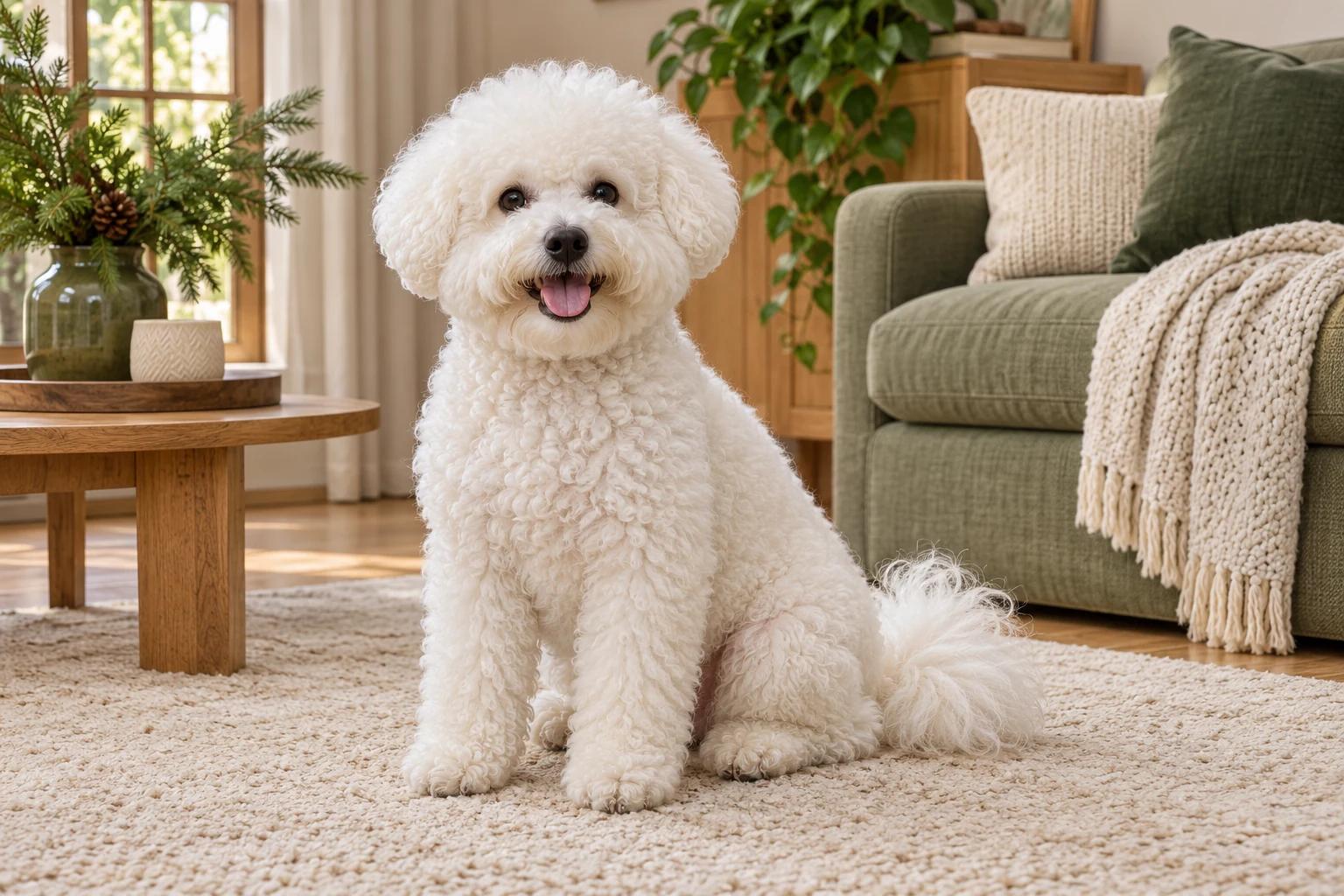
Bichon Frise vs Maltese is a comparison between two small companion breeds that can look quite different once you move beyond a white coat and a groomed photograph. The Bichon has a fuller, curly outline; the Maltese has a long, silky coat. Their proportions and the way you organize care deserve more attention than which picture you prefer.
Begin with the Bichon Frise profile and the Maltese profile. Breed tendencies give you a starting point, not a description of every individual. Meeting actual dogs and asking about their established routines adds something a side-by-side photograph cannot provide.
Bichon Frise vs Maltese at a glance
The clearest differences are size and coat texture. My Breed Atlas lists the Bichon at 9.5–11.5 inches tall and the Maltese at 7–9 inches. Both are small, but that difference can affect the proportions of equipment and the way a dog occupies your living space.
| Everyday feature | Bichon Frise | Maltese |
|---|---|---|
| Typical height on My Breed Atlas | 9.5–11.5 inches | 7–9 inches |
| Coat appearance | Long, curly coat with a rounded outline | Long, silky coat with a flowing outline |
| Brushing commitment | Most days | Most days |
| Household starting point | Companion that enjoys family contact | Companion that enjoys family contact |
The AKC's Bichon profile describes a small, sturdy companion. Its Maltese profile identifies a tiny toy companion with a long coat. Those broad descriptions help explain the visual contrast without predicting the exact personality of the dog you will meet.
The difference between Bichon Frise and Maltese coats
Imagine the work behind the outline. A rounded Bichon trim and a long Maltese coat ask you to maintain different shapes. A photograph taken just after grooming does not show the appointments, brushing space, or small daily tasks that preserve either look.
For the Bichon, talk with a groomer about the shape you want around the body and head, and how you will maintain it between visits. For the Maltese, discuss the length you are prepared to manage rather than choosing a floor-length appearance simply because it looks striking in a breed photograph.
Neither discussion should stop at “short” or “fluffy.” Ask to see examples of practical finishes and what home care each involves. A clear agreement about length, shape, and maintenance prevents a mismatch between the image in your head and the schedule you can support.
Both site profiles call for brushing most days. Treat that as a recurring task for either breed, not an occasional extra. For background specific to the Bichon's changing coat, see our puppy-to-adult coat guide; that developmental topic is separate from this everyday comparison.
Compare equipment by fit, not the word “small”
A carrier, harness, bed, and grooming surface all have dimensions. The same product label does not guarantee the same fit for a Bichon and a Maltese. Measure the actual dog where equipment instructions require it instead of buying solely by breed name.
For travel, consider how the dog stands and turns in the carrier, how you carry the combined weight, and where the carrier will sit. If you frequently use transport services, check their current requirements directly. A compact dog does not automatically meet every carrier or travel rule.
At home, look at the spaces you expect the dog to use. Where will the bed go? Is there a clear route through the room when people are moving about? These are ordinary layout questions, but they are more useful than assuming a smaller breed needs no planning.
Bichon Frise or Maltese for a busy household?
Both are companion breeds, so start with the people schedule rather than the floor plan. A large home with nobody available for interaction is not automatically a better match than a smaller home with an organized routine.
Write down who will handle the midday outing and who will do the coat care. If the answer changes by day, make the handover explicit. Otherwise, one person may assume the other has brushed the dog or provided an outing when neither task has happened.
Ask about an individual dog's experience with time apart, visitors, and being handled by different people. An adult with a known routine may give you more concrete information than a broad breed description. Do not choose between these breeds by promising yourself that one will never bark or will accept every visitor immediately.
Training plans should fit the dog, not the hairstyle
A Maltese in a neat short trim and a Bichon with a rounded head still need ordinary skills. Think about walking on a leash, returning attention to you, and cooperating with everyday handling. The size of the dog does not remove those jobs.
For either breed, identify the situations where you tend to pick a dog up because it seems quicker. Some lifting will be part of your routine, but it should not replace every opportunity to learn how to move through the world. Teach the useful action separately in an easier setting.
When visiting a class, look for enough space to work comfortably and an instructor who can adjust the setup. Ask how they would teach a small dog to participate without being crowded by the room. The answer matters more than a claim that a particular breed is automatically easy.
Compare the actual day you want to share
Picture a normal morning rather than a special outing. You get ready, take the dog outside, return, and leave time for whatever care is needed. Which parts of that sequence can you reliably offer? Which would require changing your schedule?
Then picture an evening when you are tired. A dog still needs attention and care even when the day has not gone to plan. Decide who can help and where supplies will be kept. Choosing between breeds becomes clearer when you identify the responsibilities you welcome and those you keep hoping to avoid.
The dog matching quiz can help organize those preferences. Use it to compare your priorities, then return to the individual animals. The choice is not about declaring one breed better; it is about finding a workable relationship with a particular companion.
FAQ
Which is taller, a Bichon Frise or a Maltese?
My Breed Atlas lists the Bichon Frise at 9.5–11.5 inches and the Maltese at 7–9 inches. The Bichon is generally the taller of the two. Measure the individual dog when choosing carriers, harnesses, or other fitted equipment.
Is the Maltese coat the same as the Bichon's?
No. The Maltese has a long, silky coat, while the Bichon has a curly coat and a fuller outline. Both require regular care. Discuss practical coat length and maintenance with a groomer rather than choosing from a photograph alone.
Does either breed avoid the need for daily attention?
No. Both are companion breeds, and neither should be selected as a way to avoid interaction or routine care. Ask about the individual dog's habits and organize outings, coat maintenance, and company around your actual household schedule.
How should I decide between Maltese vs Bichon Frise?
Compare size, coat texture, preferred grooming style, and the care you can provide consistently. Then meet individual dogs and ask about their routines. A breed comparison narrows the questions; it cannot guarantee an individual dog's temperament.
Sources behind this article
Article source checked: November 14, 2026. Source checked 2026-11-14
Keep reading

Affenpinscher vs Brussels Griffon: Everyday Differences
Read article →