Belgian Tervuren vs Belgian Sheepdog: choosing your match
Compare Belgian Tervuren and Belgian Sheepdog size, coat care, training and daily life before choosing between these active Belgian breeds.
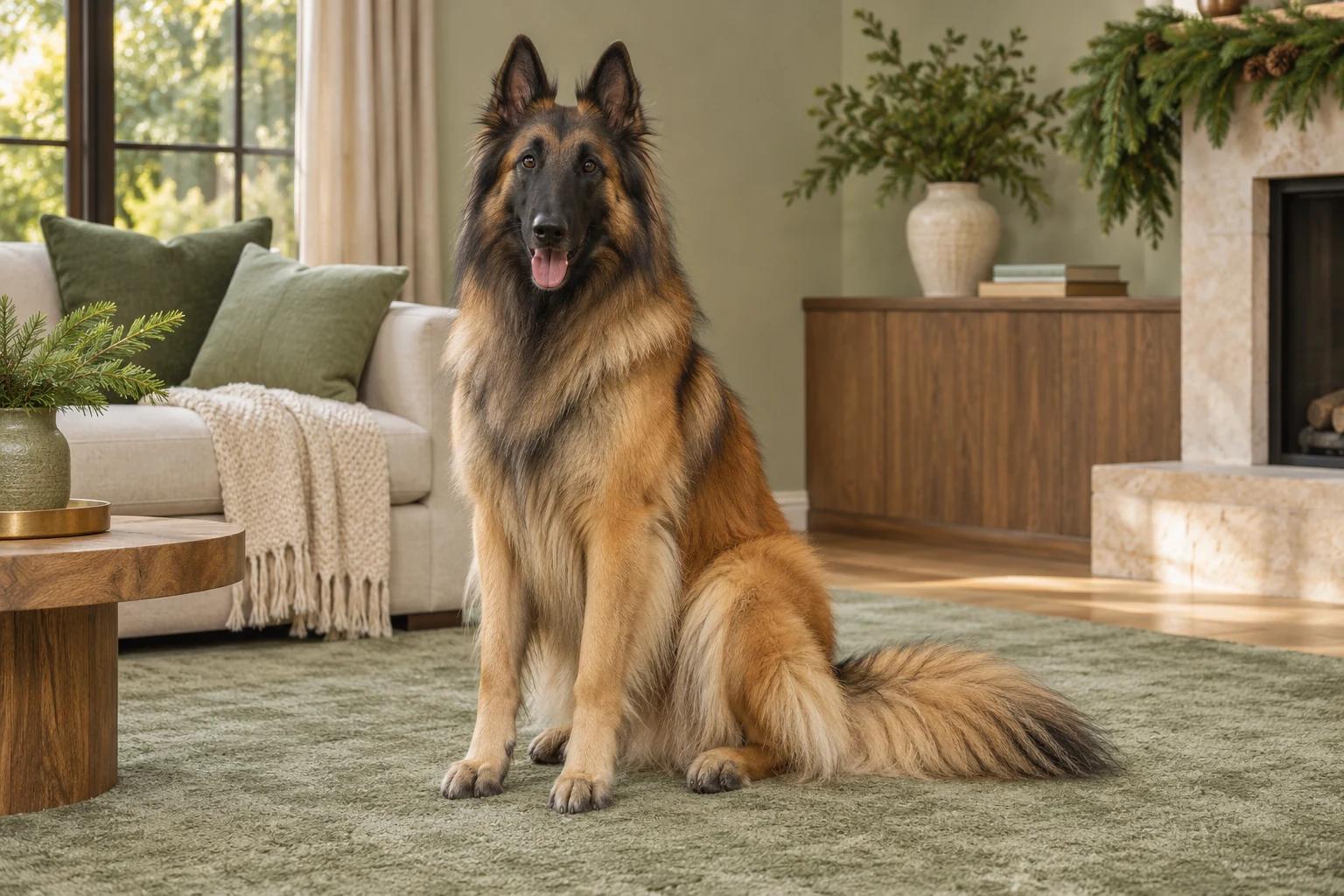
Belgian Tervuren vs Belgian Sheepdog is a comparison with more shared ground than dramatic contrasts. Both are active Belgian herding breeds with substantial training needs. The clearest visible distinction is coat color, but choosing a companion takes more than deciding which photograph you prefer. Size, daily activities, handling and the individual dog's response to your household deserve equal attention.
Start with the Belgian Tervuren profile and Belgian Sheepdog profile. Their matching size ranges make them especially useful to compare side by side. Breed tendencies are a starting point; they do not determine which individual will suit you.
Belgian Tervuren vs Belgian Sheepdog at a glance
My Breed Atlas records the following adult measurements for both breeds:
| Measurement | Belgian Tervuren | Belgian Sheepdog |
|---|---|---|
| Male height | 24–26 inches | 24–26 inches |
| Female height | 22–24 inches | 22–24 inches |
| Male weight | 55–66 pounds | 55–66 pounds |
| Female weight | 44–55 pounds | 44–55 pounds |
| Coat structure | Double coat | Double coat |
| Activity commitment | High | High |
That table rules out a common shortcut: choosing the Sheepdog because it sounds smaller, or the Tervuren because its outline looks lighter in one picture. Photograph angles and coat presentation can change your impression. Compare actual adult measurements when planning a vehicle crate, sleeping area or walking equipment.
The visible difference
The American Belgian Tervuren Club's breed flyer distinguishes the fawn-and-black Tervuren from the black Groenendael, the name associated with the Belgian Sheepdog. That is a useful identification point, not a personality test.
Our related article on the Tervuren's changing black overlay explores the color question separately. Here, the important point is that choosing a preferred appearance does not remove the shared work involved in living with either breed.
Two working dogs, not an active and an easy option
The AKC Tervuren overview emphasizes a herding dog that enjoys challenging activity. Its Belgian Sheepdog overview likewise describes a trainable working herder. Neither description supports a blanket claim that one is the effortless household alternative.
Imagine the same owner offering each dog an interesting walk, practice with a familiar skill and a suitable activity such as searching or a training class. Both choices still require someone to organize those opportunities. A garden does not book the class, teach the cue or provide company during a shared outing.
Compare available support rather than only your enthusiasm. Is there an instructor nearby who understands your goals? Can someone else manage the dog when your schedule changes? Do you have somewhere appropriate to practise away from busy traffic? Those details affect either choice more directly than an online ranking of intelligence.
What coat care looks like in practice
Both site profiles list brushing once or twice weekly as the usual starting plan. Establish a place where you can work through the coat methodically, with good lighting and enough room to reach both sides of the dog. A quick pass over the back is not the same as checking the whole coat.
Ask a breeder or groomer to demonstrate the tools on an adult. Watch how they part the coat, work around furnishings and check whether the comb moves freely. That demonstration gives you a better shopping list than buying every brush advertised for a fluffy dog.
For a Belgian Sheepdog vs Belgian Tervuren decision, include cleaning arrangements too. Where will damp equipment dry? Which seat covers can you remove easily? Where can grooming tools stay within reach? Neither color makes the care routine disappear, even if loose hairs are more noticeable against certain furnishings.
Compare learning style without awarding a winner
Both profiles indicate responsive learners. That makes training an opportunity, not a completed task. The useful question is how a particular dog works with a person: does it understand the cue, stay engaged in the setting and recover when a task becomes confusing?
At a meeting, ask to watch something ordinary. A caregiver putting on a lead, asking for a familiar position or ending a game can reveal the communication already in place. An elaborate demonstration may be impressive, but it tells you less about the skills you will need immediately at home.
Write down what you actually observe. “Returned to the handler after looking at the gate” is meaningful. “More intelligent” is a conclusion that a brief visit cannot establish. If you are deciding between litters, ask how individual puppies differ instead of requesting a single personality description for the whole group.
Look at the dog's life beyond the training session
A difference between Belgian Tervuren and Belgian Sheepdog that matters to your household may turn out to be an individual difference rather than a breed-wide rule. A dog's experience with visitors, travel or time apart is worth discussing directly.
Ask for examples from normal days. What happens when a delivery arrives? Where does the dog rest while a person works? How is grooming introduced? What does the caregiver do when the dog is distracted? Answers should describe situations, not promise a ready-made outcome in a new home.
Consider the layout of your own rooms. You need places to move past one another, store equipment and give the dog a resting space away from constant foot traffic. The similar adult dimensions mean that these practical preparations largely overlap.
Making the final choice
If you are choosing Belgian Tervuren or Belgian Sheepdog, first decide whether the shared commitments appeal to you. Then compare the particular dogs, the support offered and the activities you genuinely want to maintain. Coat preference can remain part of the decision without becoming the whole decision.
Use the dog breed quiz to organize your priorities before arranging visits. Bring that shortlist of priorities with you. A useful visit should help answer them, not simply persuade you to overlook them because you enjoyed meeting a beautiful dog.
FAQ
Are Belgian Tervuren and Belgian Sheepdogs the same size?
My Breed Atlas lists the same adult ranges for both: males 24–26 inches and 55–66 pounds, females 22–24 inches and 44–55 pounds. Individual dogs differ, so use actual measurements when selecting fitted equipment.
What is the most visible difference between them?
The Tervuren has a fawn-to-mahogany and black appearance, while the Belgian Sheepdog is associated with a black coat. Appearance helps distinguish them, but it does not establish an individual dog's temperament or suitability.
Is one easier to train than the other?
Neither breed should be declared universally easier. Both profiles describe responsive learners with substantial activity and mental-engagement needs. Compare individual experience, the teaching environment and the support available to you.
Should I choose based on coat color?
Coat preference can help you choose between otherwise suitable dogs, but it should come after assessing daily care, activity and training commitments. The two breeds share many practical demands despite their different appearance.
Sources behind this article
Article source checked: November 14, 2026. Source checked 2026-11-14
Keep reading

Affenpinscher vs Brussels Griffon: Everyday Differences
Read article →