Belgian Tervuren exercise needs: movement with a purpose
Understand Belgian Tervuren exercise needs with a practical mix of movement, learning and recovery, plus ways to plan beyond a simple walking total.
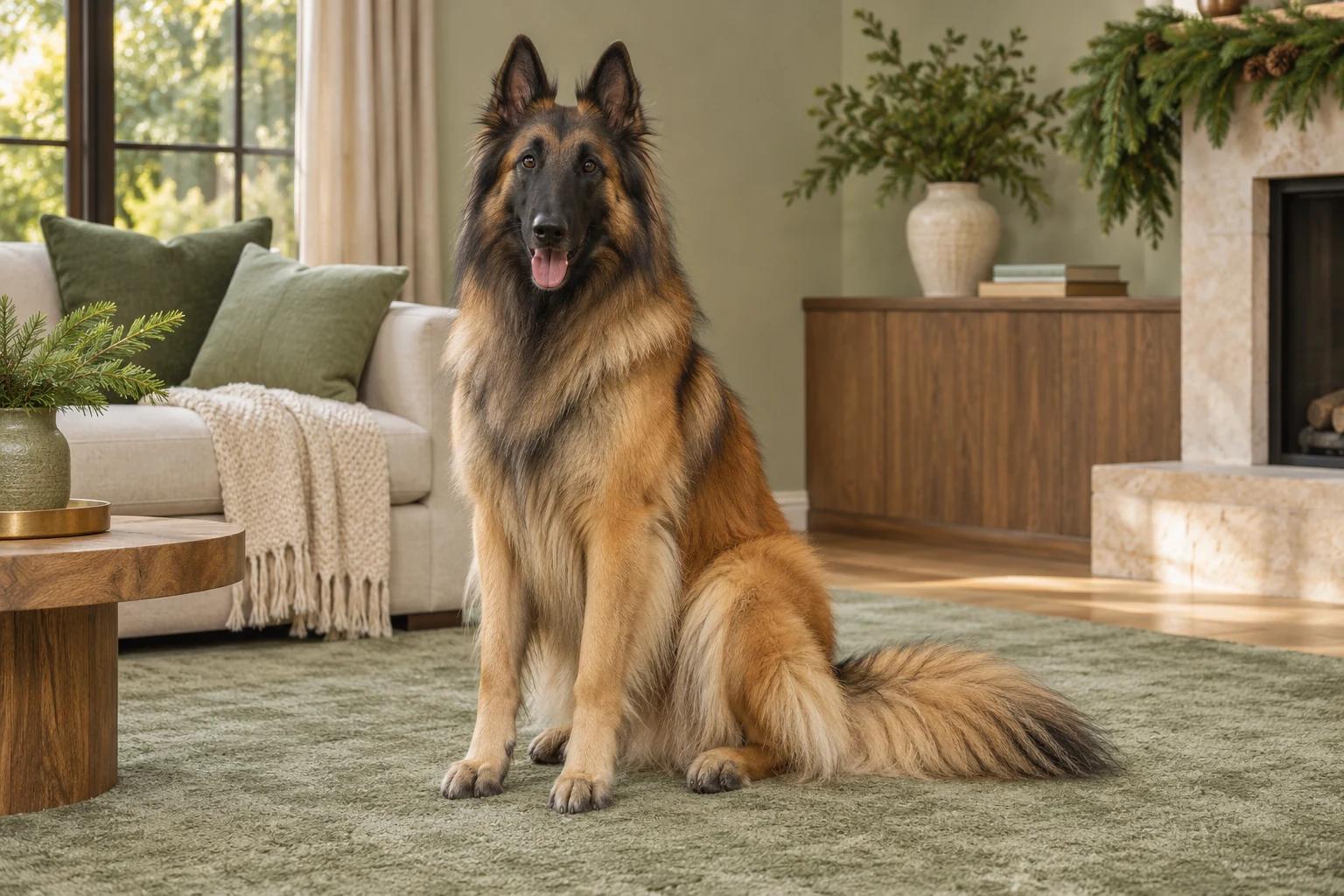
Belgian Tervuren exercise needs deserve more thought than adding another lap around the block. This is an active herding breed whose day needs room for both movement and mental engagement. The useful goal is a sustainable routine with different kinds of activity, not an ever-increasing distance target.
The Belgian Tervuren profile places activity and learning high on the ownership checklist. Before choosing this breed, consider whether organizing those opportunities sounds enjoyable on ordinary days, not just on a free weekend. An individual dog's needs also depend on its age, experience and circumstances.
Belgian Tervuren exercise needs: think in activities, not only minutes
The AKC breed overview describes a herding dog drawn to challenging work and play. That is a useful reason to think beyond the duration of a walk. An outing, a problem-solving exercise and a training session offer different experiences even when they occupy the same amount of time.
Consider three categories when planning: physical movement, using learned skills and exploring the environment. Your week need not divide them equally. The point is to see whether one activity is standing in for everything else.
A long route completed on autopilot may give you distance without much shared learning. An indoor puzzle offers engagement but does not replace outdoor opportunities. A balanced plan makes room for both rather than declaring one the universal solution.
Use a walk as more than transport
Choose routes with enough room to vary what you do. One section might be relaxed exploration; another might involve practising a turn, a short stretch of coordinated walking or a pause while something passes. Keep the purpose clear so the dog is not asked to alternate unpredictably between freedom and precision.
Look at the route before focusing on its length. Narrow pavements, repeated traffic crossings and crowded entrances may make a supposedly simple outing complicated. A quieter alternative can give you more room to work on the skills you intended to practise.
Plan the return as well as the start. Have drinking water and a suitable resting area available, and leave time to put equipment away without rushing into the next commitment. An exercise plan that ignores the surrounding care is incomplete even if the route itself looks impressive.
Leave some flexibility in the route
A useful plan has options. Know where you can turn back, take a quieter path or finish an exercise earlier. Flexibility lets you respond to the individual dog and the day's conditions without treating a changed route as a failed outing.
If you are considering sustained running, demanding terrain or another new physical activity, talk with your veterinarian about what suits your dog. A breed's active reputation is not an individual exercise clearance.
Give learning its own place in the week
The American Belgian Tervuren Club flyer describes participation in activities including obedience, agility, herding and tracking. Those examples illustrate a range of interests; they are not a demand that every owner pursue all of them.
Choose one activity you would enjoy learning about. Visit an appropriate class or club, ask about beginner foundations and find out what equipment and practice space are required. It is easier to maintain something you understand and enjoy than a sport chosen only because the breed is associated with it.
At home, keep projects small enough to see progress. You might work on finding a familiar object, moving between two known positions or following a short sequence of cues. Decide what success looks like before starting. That makes practice a teaching session rather than a stream of requests with no clear finish.
A yard is a setting, not the whole programme
An outdoor area can be useful, but the Belgian Tervuren activity level does not turn every minute outside into meaningful exercise. Think about what you will actually do there. Is there room for a controlled game, a simple learning task or relaxed exploration?
Check the boundaries and the nearby distractions before choosing an activity. A small space beside a busy road offers different possibilities from a securely enclosed area away from traffic. Use the space you have rather than trying to force a game into unsuitable surroundings.
Store equipment so the area remains usable between sessions. A collection of scattered toys and obstacles can make it harder to move comfortably or change activities. A few carefully chosen items, put away afterward, may serve your plan better than an elaborate setup you rarely use.
Plan for weather and interrupted days
Belgian shepherd exercise requirements do not vanish when your usual plan becomes inconvenient. Make a realistic alternative before you need one. Identify appropriate indoor learning activities, a different outing location or someone who can help with the dog's established routine.
An alternative day does not have to copy the usual day exactly. It should still include care, engagement and suitable movement rather than simply postponing everything. Keep the plan adaptable to the dog and conditions, not tied to completing a fixed quota regardless of circumstances.
Avoid turning every difficult day into a marathon the next day. Instead, review why the plan was hard to deliver. Would a different class time help? Is the route too far away? Does another caregiver need instructions? Those are practical ownership questions, not signs that you need a more ambitious target.
Measure usefulness rather than exhaustion
When asking how much exercise does a Belgian Tervuren need, consider the whole routine rather than searching for a number that settles every decision. Keep brief notes on activities you offered, skills practised and how the day worked for both of you.
Do not use exhaustion as the sole evidence of success. Exercise, learning and opportunities to rest belong in the same plan. If the dog's activity or behavior changes unexpectedly, talk with your veterinarian instead of automatically increasing the workload.
For prospective owners, the dog breed quiz helps put activity preferences alongside other commitments. You can also explore the Tervuren's changing coat appearance without confusing an attractive photograph with the day-to-day work behind living with the breed.
FAQ
How much exercise does a Belgian Tervuren need?
A Belgian Tervuren needs a substantial daily activity commitment, including movement and mental engagement. There is no single duration suitable for every individual. Plan around the dog's age, circumstances and established routine, and ask your veterinarian about new demanding activities.
Is a garden enough for a Belgian Tervuren?
A garden can support exercise and training, but available space is not the same as an organized activity routine. Plan what you will do there and provide appropriate opportunities beyond simply letting the dog outside.
Must a Belgian Tervuren do agility?
No. Agility is one possible interest among several, including obedience and tracking. Everyday training and other suitable activities can also be part of the routine. Choose an activity you can maintain and learn properly.
What should an exercise plan include besides walking?
Include opportunities to learn, explore and rest as well as physical movement. Practical skill sessions and suitable games can add variety. They complement rather than automatically replace the dog's outdoor activity needs.
Sources behind this article
Article source checked: November 14, 2026. Source checked 2026-11-14
Keep reading

Afghan Hound Exercise Needs: Build a Workable Active Day
Read article →