When a Bearded Collie’s bark belongs in herding work
The Bearded Collie working standard distinguishes a bark that moves stock from noise that disrupts control. Learn what to watch beyond the sound.
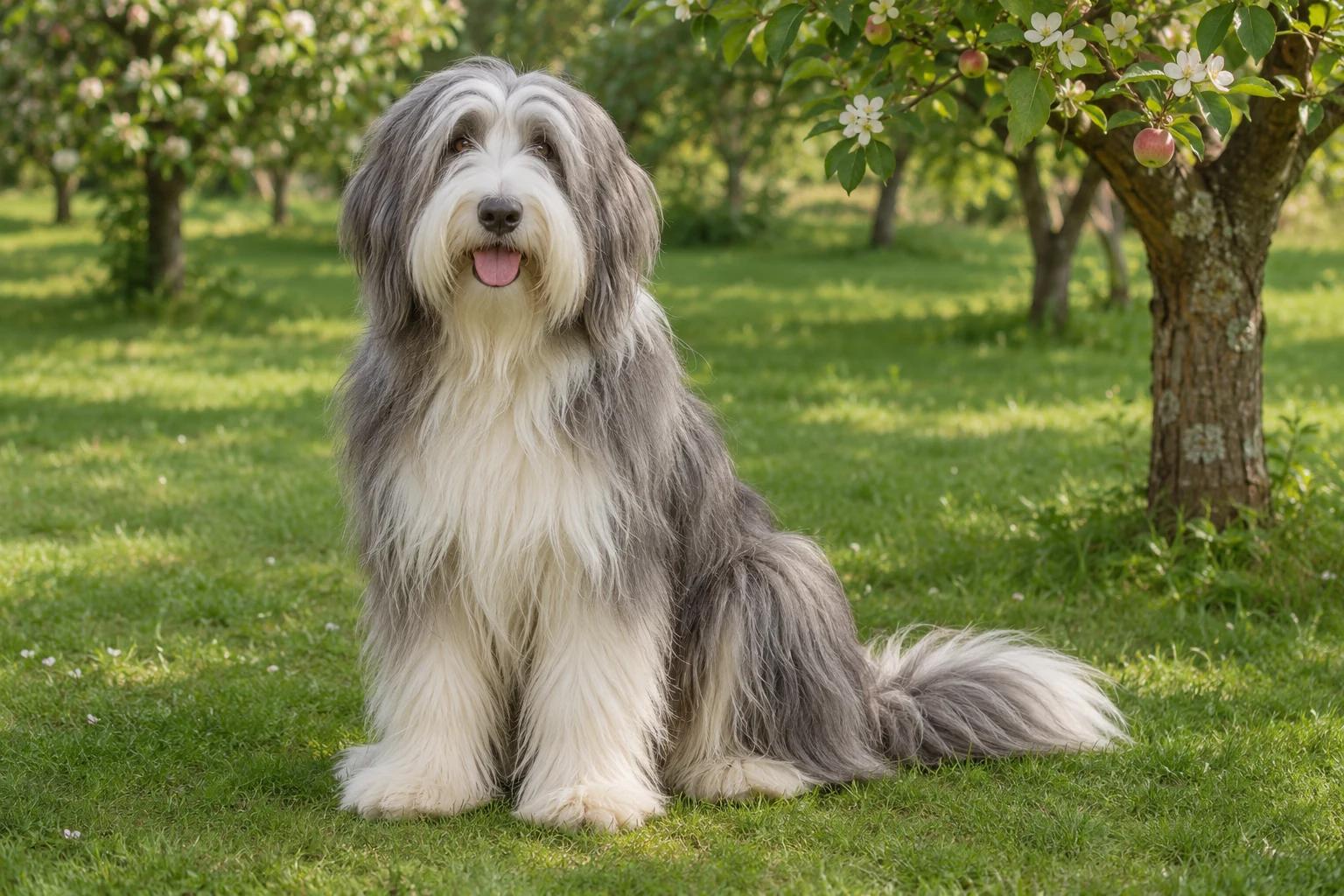
A voice with a particular job
The Bearded Collie Club of America describes Highland dogs working upright and barking to bring hidden or lost stock out of rough country. Its working standard allows different styles, from more upright, loose-eyed work to quieter work with stronger eye. A silent performance is therefore not the only acceptable expression of the breed’s heritage.
Follow the stock, not the volume
The club says a bark used to move or control stock should not be penalized. It also allows faults for barking that interferes with control, and lists purposeless chasing, splitting stock, unwarranted gripping and disruptive barking as undesirable. The dividing line is what the behavior accomplishes.
Imagine two moments at a demonstration. In one, a bark accompanies stock moving where the handler intends. In another, noise accompanies animals scattering while the dog stops responding. These are illustrative situations, not a scoring formula: the instructor or judge must assess the actual work. They show why counting barks or admiring intensity misses the central question of useful control.
Experience can change the sound
The club notes that many Beardies become quieter as they gain familiarity with stock, while some continue to use a working bark. Neither outcome makes household barking an automatic sign of herding talent. The standard describes work around livestock; it cannot tell you why a particular dog barks at a window. For a beginner, a supervised breed-club demonstration offers a way to see the distinction without experimenting on livestock at home.
Sources behind this article
Article source checked: October 20, 2026. Source checked 2026-10-20
Keep reading
Bearded Collie Grooming: A Practical Coat-Care Plan
Read article →