Bearded Collie Exercise Needs: More Than a Long Walk
Explore Bearded Collie exercise needs through purposeful walks, learning, outdoor time, and a plan that fits the individual dog.
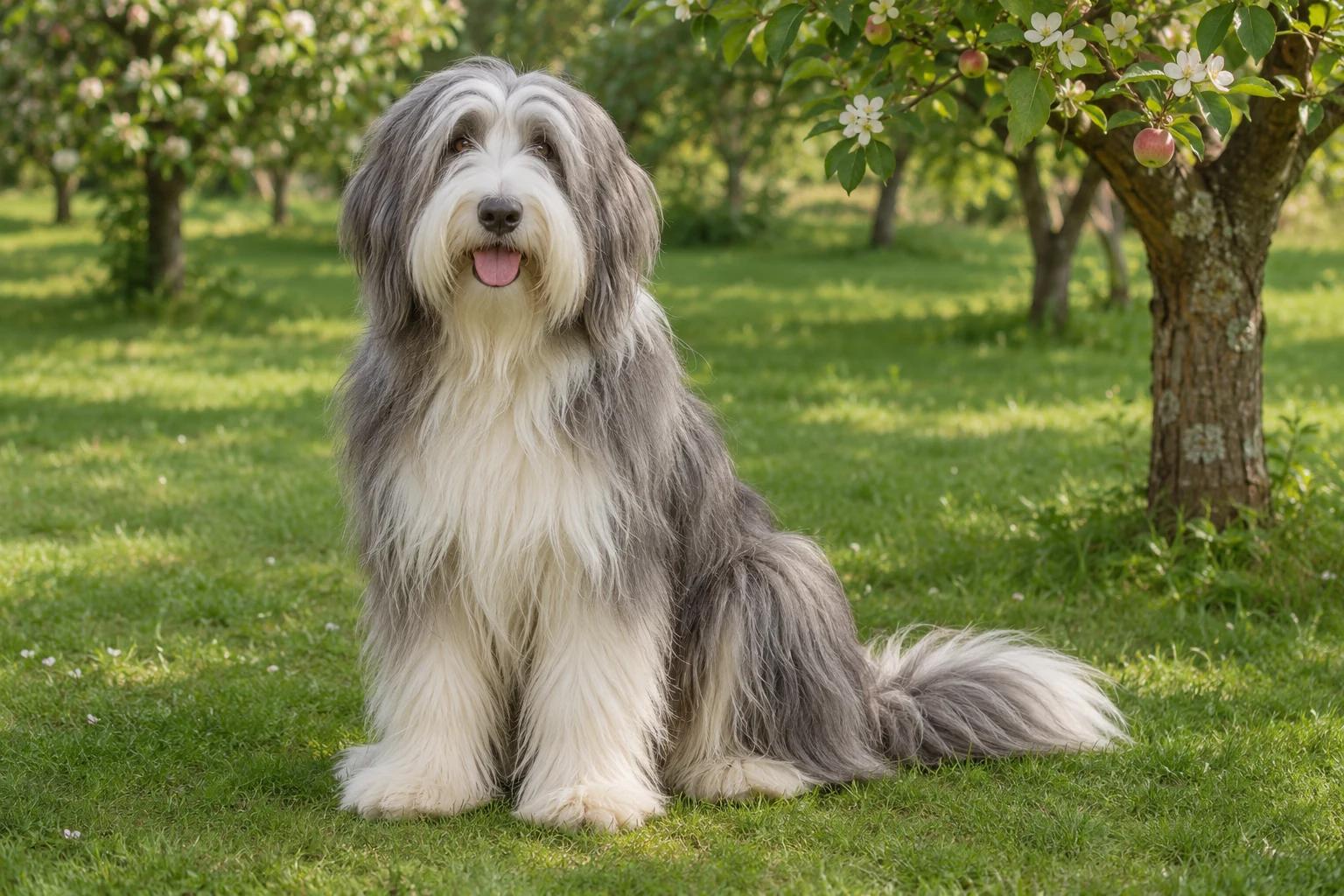
Bearded Collie exercise needs are best understood as a combination of movement, involvement, and something worthwhile to do. A long walk can be an important part of the day, but it is not the entire relationship. Think about what you would enjoy doing together after the novelty of a shaggy, bouncing companion has become ordinary life.
The Bearded Collie profile describes a higher-activity breed whose day needs a substantial outing and learning opportunities. That is a planning starting point, not an exact prescription for every dog.
Bearded Collie exercise needs start with purposeful outings
The American Kennel Club’s breed introduction describes an outdoor-loving Scottish droving dog with an independent streak. That background helps explain why it is worth offering more than a trip to the same patch of grass. It does not tell you how many minutes your individual dog should exercise.
Consider the purpose of an outing before choosing its length. Are you exploring a familiar walking route, practicing calm movement past distractions, or attending a class? Each asks something different of the dog and of you.
For example, a familiar path might be a good place to enjoy movement without adding many new demands. A new environment may involve more observation and careful handling. A class may contain substantial waiting as well as activity. Calling all three “exercise” can hide those differences.
Your plan should make room for variety without making every outing complicated. The goal is not to entertain a Beardie with a brand-new activity every day. It is to have several useful options you can deliver consistently.
How much exercise does a Bearded Collie need?
If you are asking how much exercise does a Bearded Collie need, start by assessing the dog’s age, current condition, experience, and existing routine. Discuss appropriate physical activity with your veterinarian rather than choosing an internet time target and building everything around it.
Then separate time outside from time actively engaged. Driving to a park, waiting while you talk, and standing beside a bench all occupy the schedule, but they are not identical to walking or training. You do not need to count every minute. You do need an honest picture of what the dog actually does.
A useful planning note might read: “walked the familiar loop, practiced three easy skills, then rested at home.” That tells you more than “out for ages.” Keep observations practical, and make changes thoughtfully rather than continually increasing the amount because a dog still appears interested.
If the dog’s enthusiasm or ability changes unexpectedly, talk with your veterinarian. More exercise is not the automatic answer to every change in behavior.
Give the daily walk a clear shape
A Bearded Collie daily walk can have a beginning, a main activity, and an uncomplicated return home. Decide what you are going out to do before leaving, especially when you have limited time.
One outing could focus on a familiar route with opportunities to explore. Another might include a short practice of skills already learned in an easier setting. Avoid turning every step into obedience work; there should still be room for the walk itself.
Choose routes you can repeat when life is busy. A beautiful weekend destination is useful, but it is not a substitute for a manageable weekday option. Think about parking, crowded approaches, available space, and the journey home with a wet or muddy coat.
Keep appropriate walking equipment ready at the door. The practical advantage is simple: less searching for equipment means more of the available time can be spent on the outing you planned.
Include the return home
Leave enough time to put equipment away, attend to the coat as needed, and let the dog settle. If every outing ends with you rushing straight into a meeting, the schedule may need more margin even if the walk itself is a suitable length.
This is particularly relevant to a long-coated dog. The time commitment includes the part after the photographs, when the outing is over but ordinary care is not.
Explore an activity together before committing
The Bearded Collie Club of America’s ownership guide describes options including agility, obedience, and tracking. Treat that as a menu to investigate, not a checklist every Beardie must complete or a promise that every dog will enjoy each option.
Observe a beginner class and ask what preparation it requires. Find out how much of a session involves waiting, how dogs are separated, and what the instructor expects people to practice between meetings. A club can help explain the difference between introductory learning and competition.
Choose one activity because its learning process appeals to you. If you dislike repetition and instruction but love the idea of a competition photograph, you may be choosing the outcome rather than the work required to reach it.
For activities involving physical demands, ask your veterinarian about suitability and work with a qualified instructor. Do not improvise advanced obstacles or use livestock as a home experiment.
Read activity level as a commitment, not a challenge
Bearded Collie activity level is not a contest to see how much you can fit into a day. Build a sustainable relationship in which outings, learning, care, and quiet time all have a place.
Before deciding on the breed, test your own schedule. Where would the substantial outing fit on a workday? Who would handle it if you were delayed? What is your realistic alternative when a planned venue is unavailable?
Write down actual answers rather than ideal ones. A dependable local walk and an activity you genuinely enjoy may serve you better than several ambitious plans you rarely carry out. Ask owners what an unremarkable Tuesday looks like, not only what they do on holiday.
Use the dog breed quiz to compare activity preferences. Our article on the Bearded Collie’s purposeful herding bark explores working communication separately; household exercise should not be judged by how much noise a dog makes.
FAQ
Is one walk enough for a Bearded Collie?
The number of walks alone does not describe the day. Consider their substance, additional learning and activity, and the individual dog’s needs. My Breed Atlas describes a higher-activity breed that needs a substantial daily outing, not just brief toilet breaks.
Does a Bearded Collie need to compete in dog sports?
No competition requirement applies to owning a Bearded Collie. An appropriately chosen class can provide shared learning, but walks and other suitable activities also belong in the plan. Choose an activity for the process, not for a title.
Can a garden replace Bearded Collie walks?
A garden can provide useful outdoor space, but its existence does not tell you how much activity or engagement the dog receives. Include planned shared outings and learning rather than counting access to space as the complete daily commitment.
How should exercise change for an individual dog?
Base changes on the dog’s current condition, age, experience, and veterinary guidance. Keep track of what activities actually involve. If ability or enthusiasm changes unexpectedly, talk with your veterinarian instead of simply increasing exercise.
Sources behind this article
Article source checked: November 14, 2026. Source checked 2026-11-14
Keep reading

Afghan Hound Exercise Needs: Build a Workable Active Day
Read article →