Basset Hound Scent Work: who finds what?
Understand the target odors, the dog’s role and the handler’s job in Scent Work before turning a Basset Hound’s interest in smells into a new activity.
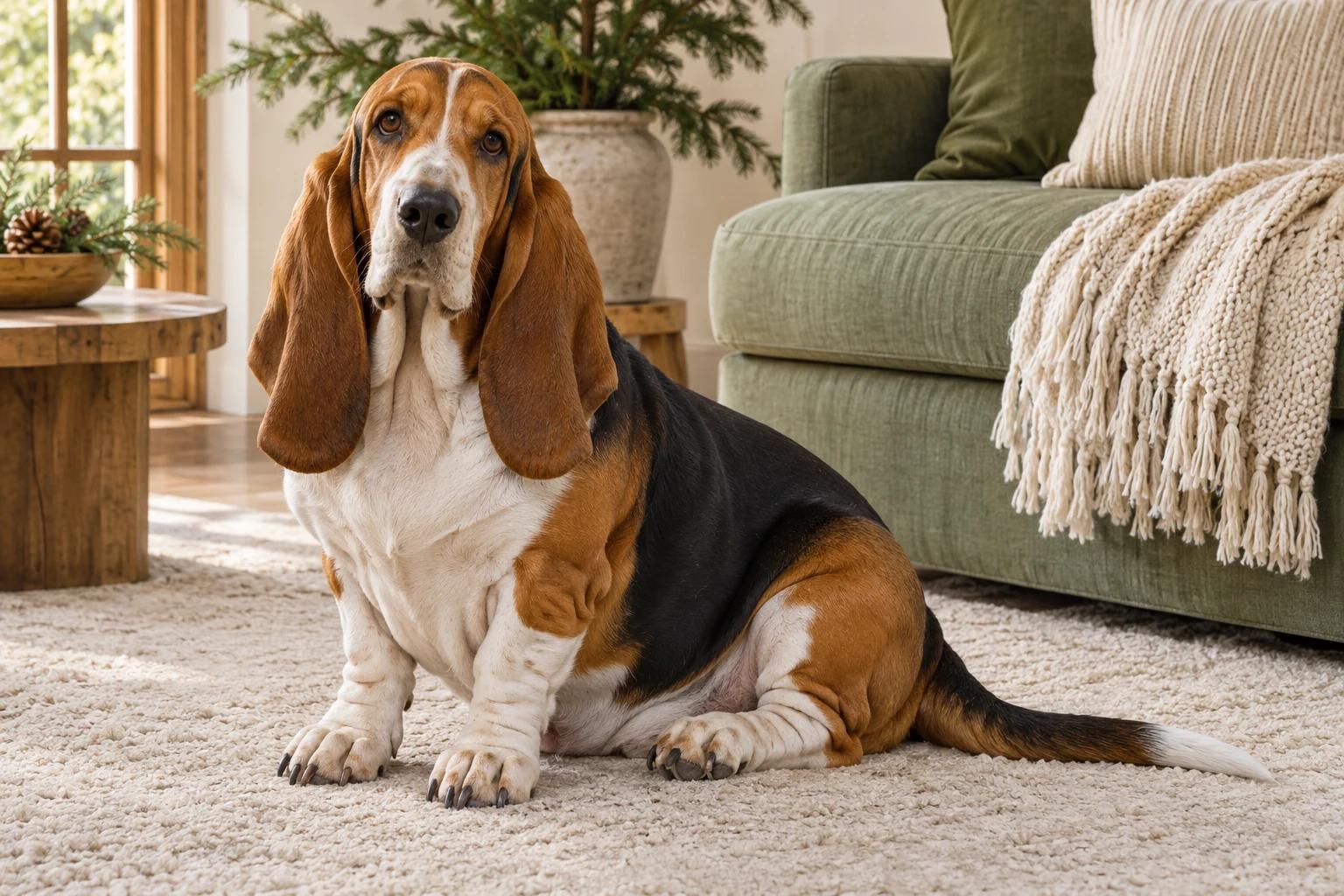
A nose-led activity with a defined target
A Basset Hound stopping to investigate a smell on a walk is not automatically performing the sport of Scent Work. In an organized search, a particular target has been hidden and the team works to locate it. That difference matters: interest in the environment is the starting appeal, while recognizing the assigned odor is a learned part of the game.
The Basset Hound Club of America describes two AKC divisions. Odor Search uses specified essential-oil odors on prepared scent material. Handler Discrimination uses the handler's own scent. Neither is simply a contest to find whatever smells most exciting, and neither requires the dog to chase a rabbit. The target, rather than the breed's reputation, defines the task.
The dog searches; the person learns to read the answer
At a trial, the handler does not know the hiding place. The dog investigates and communicates a find; the handler recognizes that information and tells the judge. AKC's introduction emphasizes this reversal of the usual expectation that the human already knows where to go. Success depends on a shared language as well as the dog's nose.
Imagine watching a search around a group of containers. A dog pauses, returns to one area and investigates it again. To a newcomer, several moments may look equally significant. Learning that individual dog's trained response is part of the handler's work. Guessing at every pause or steering toward a favored box is different from recognizing a reliable indication.
Start by learning the game together
Observe a class or event under its visitor rules before purchasing scent materials. Notice how instructors introduce the task, how dogs wait between turns and how handlers respond when a search becomes difficult. Those quieter details help you picture the whole outing, including whether the setting would suit your own dog.
For a first class, use the instructor's equipment and handling guidance rather than improvising with household oils. Describe the dog's experience and any relevant comfort or mobility concerns when arranging participation. You do not need to predict a title-winning future to explore an activity together. Nor does being a Basset guarantee enthusiasm or proficiency. The appealing possibility is a partnership in which you become better at noticing what this dog is telling you.
Sources behind this article
Article source checked: October 20, 2026. Source checked 2026-10-20
Keep reading
Basset Hound training: practical lessons for a thoughtful hound
Read article →