Basset Hound grooming: a short coat still needs a routine
Organize Basset Hound grooming around the smooth coat, loose hair, comfortable handling and individual ear-care guidance.
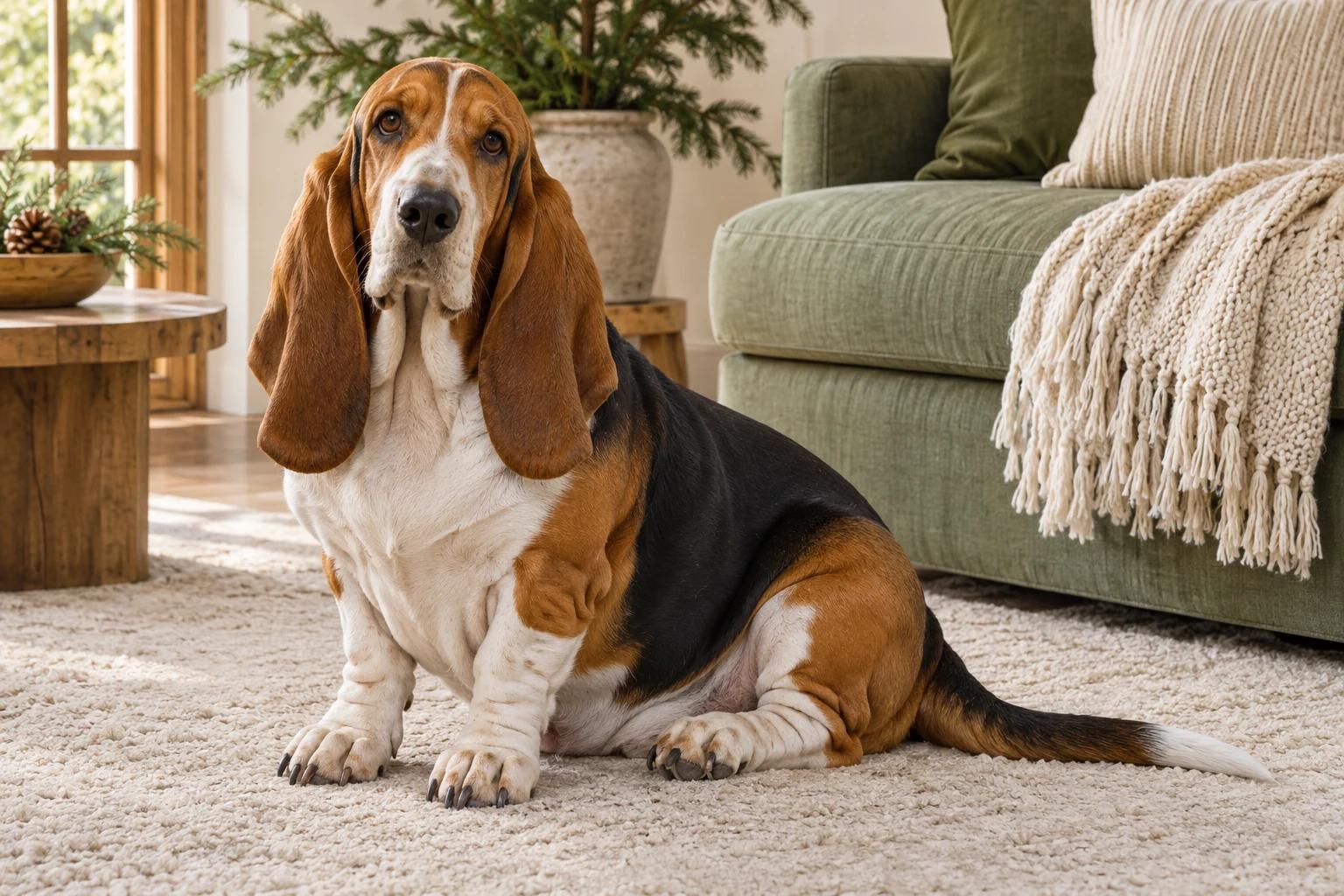
Basset Hound grooming is not just about whether the dog needs a haircut. A smooth coat still leaves loose hair to manage, and regular care includes noticing how the individual dog looks and feels. A workable routine combines suitable brushing with attention to the areas a quick glance can miss.
The Basset Hound profile lists a short, smooth coat and regular care. Its everyday notes describe brushing once or twice a week. Build from that reference and the guidance of professionals who know your dog rather than expecting short hair to take care of itself.
Basset Hound grooming begins with a comfortable setup
Choose a stable, nonslip place where you and the dog can be comfortable. A low dog does not necessarily mean a light dog: the site's adult reference range is 53–77 pounds. Plan how the dog will access the grooming space instead of improvising a lift every time.
Keep the tools and towels within reach before starting. If you must leave the area, pause the session rather than leaving the dog on an elevated surface. A simple floor-level arrangement may be more practical than equipment chosen only because it resembles a salon setup.
Think about your own position too. If you become uncomfortable after a minute, you may rush or overlook parts of the coat. A sustainable routine needs to work for the person carrying it out as well as the dog.
Introduce the process in pieces
Let the dog become familiar with the location and tools without expecting a complete grooming session immediately. You can practice approaching the area, standing or resting comfortably, and accepting a brief part of the routine separately.
A dog that tolerates brushing along its back may respond differently around another area. Notice that distinction. Do not treat one successful stroke as permission to rush through everything else.
How to brush a Basset Hound without overcomplicating it
Ask a groomer to demonstrate a tool and pressure suitable for your dog's smooth coat. Watch how they work around the body's contours, then practice the movement while they can give feedback.
VCA's Basset Hound care overview notes that brushing removes dead hair. That is a practical objective: remove loose material while keeping the process comfortable, not scrape away every hair you can find.
Work methodically so you know which areas you have covered. For example, you might finish one side before moving around the dog. A consistent order helps you avoid repeatedly working one convenient patch while missing another.
Check the tool as you go. Accumulated hair can make it harder to see what you are doing. Stop if the dog seems uncomfortable or the skin looks irritated, and ask for appropriate professional guidance rather than switching to a more aggressive tool.
Basset Hound shedding and the household routine
Short hairs can still collect on bedding, clothing and upholstery. The site describes loose hair through the year, so organize cleaning as an ongoing part of ownership rather than waiting for one dramatic seasonal event.
Keep washable covers where the dog regularly rests. Choose a cleaning method suited to the fabric, and make bedding care part of your schedule. These arrangements are often more useful than trying to make the dog shed nothing at all.
Brushing and housekeeping do different jobs. Brushing attends to the dog's coat; cleaning removes what has already reached the room. Expecting one to eliminate the other can make a normal routine feel like a failure.
If the amount or pattern of hair loss changes, record what you notice and talk with your veterinarian. Do not assume every change is ordinary shedding or try to solve it by brushing harder.
Pay attention to ears and the face
The Basset's long ears deserve an individual care plan. The Basset Hound Club of America's owner flier includes ear care among routine responsibilities. Ask your veterinarian what observation and care are appropriate for your dog, including whether cleaning is needed and how it should be done.
Do not adopt a fixed cleaning schedule simply because another owner follows it. Products, technique and frequency should reflect professional guidance for the individual. Avoid putting improvised substances or tools into the ear.
A regular visual check is also an opportunity to notice changes. If you see irritation or discharge, notice an unusual odor or the dog reacts as though uncomfortable, talk with your veterinarian. Grooming is not a way to diagnose or treat the cause.
For the face and mouth area, ask for a demonstration of gentle everyday cleanup suited to your dog. Keep the routine distinct from treating a skin concern. The goal is to know what ordinary care looks like and when something falls outside it.
Baths, nails and the tasks beyond brushing
The club flier describes baths as needed rather than giving every Basset the same timetable. Think about why a bath is needed and which products suit the dog. Ask a groomer or veterinarian if you are unsure, particularly when there is a skin concern.
Prepare the drying arrangement before the bath starts. Have appropriate towels and a comfortable, secure place ready. A wet dog and an unfinished setup make the task more difficult than it needs to be.
Nail care also belongs in the plan, whether you learn the technique with professional instruction or arrange appointments. Do not wait until a last-minute event to discover that neither you nor the dog is comfortable with the process.
Keep a record of services if several people share care. A brief note about what was done and any concerns prevents one person assuming another has already handled a task. This is especially helpful when a groomer and family members divide responsibilities.
Budget for the routine you will actually use
Basset Hound grooming needs do not translate into one universal price. Costs depend on your location, the service, the individual dog's coat and the help you choose to use. Ask for an itemized description rather than comparing headline prices alone.
Find out whether an appointment includes brushing, bathing, drying or nail care, and which tasks remain yours between visits. Tell the groomer about handling preferences or concerns in advance. A useful service plan is clear about both the appointment and the care at home.
The dog match quiz can help you consider your preferred level of daily maintenance. For an activity to enjoy beyond care time, read Basset Hound Scent Work: who finds what?. A complete ownership plan makes space for both practical care and shared discovery.
FAQ
Does a Basset Hound need grooming despite its short coat?
Yes. Brushing, appropriate nail care and an individual ear-care plan still matter. Short hair does not remove the need for routine observation and maintenance. Ask professionals to show you techniques suited to your dog.
How often should I brush a Basset Hound?
My Breed Atlas describes brushing once or twice a week as the usual coat plan. Adjust with guidance from a groomer who knows the individual. Keep sessions comfortable rather than trying to remove every loose hair at once.
Does brushing stop Basset Hound shedding?
No. Brushing helps remove loose hair but does not eliminate shedding. Plan regular bedding and household cleaning as well. Discuss unusual changes in hair loss or skin appearance with your veterinarian.
Should every Basset have its ears cleaned on the same schedule?
No. Ask your veterinarian what your individual dog needs and how any cleaning should be performed. Do not copy products or schedules without guidance, and seek advice for odor, discharge, irritation or discomfort.
Sources behind this article
- VCA Animal Hospitals: Basset Hound ↗
- Basset Hound Club of America: Owner Flier ↗
- SKK judges’ guide average reference — adult-weight reference ↗
Article source checked: November 14, 2026. Source checked 2026-11-14Article source checked: November 18, 2026. Source checked 2026-11-18
Keep reading

Affenpinscher Grooming: A Practical Coat-Care Routine
Read article →