Barbet Dog Exercise: Walks, Water, and Useful Variety
Plan Barbet exercise with land-based activities, thoughtful water introductions, retrieving preparation, and a realistic after-outing routine.
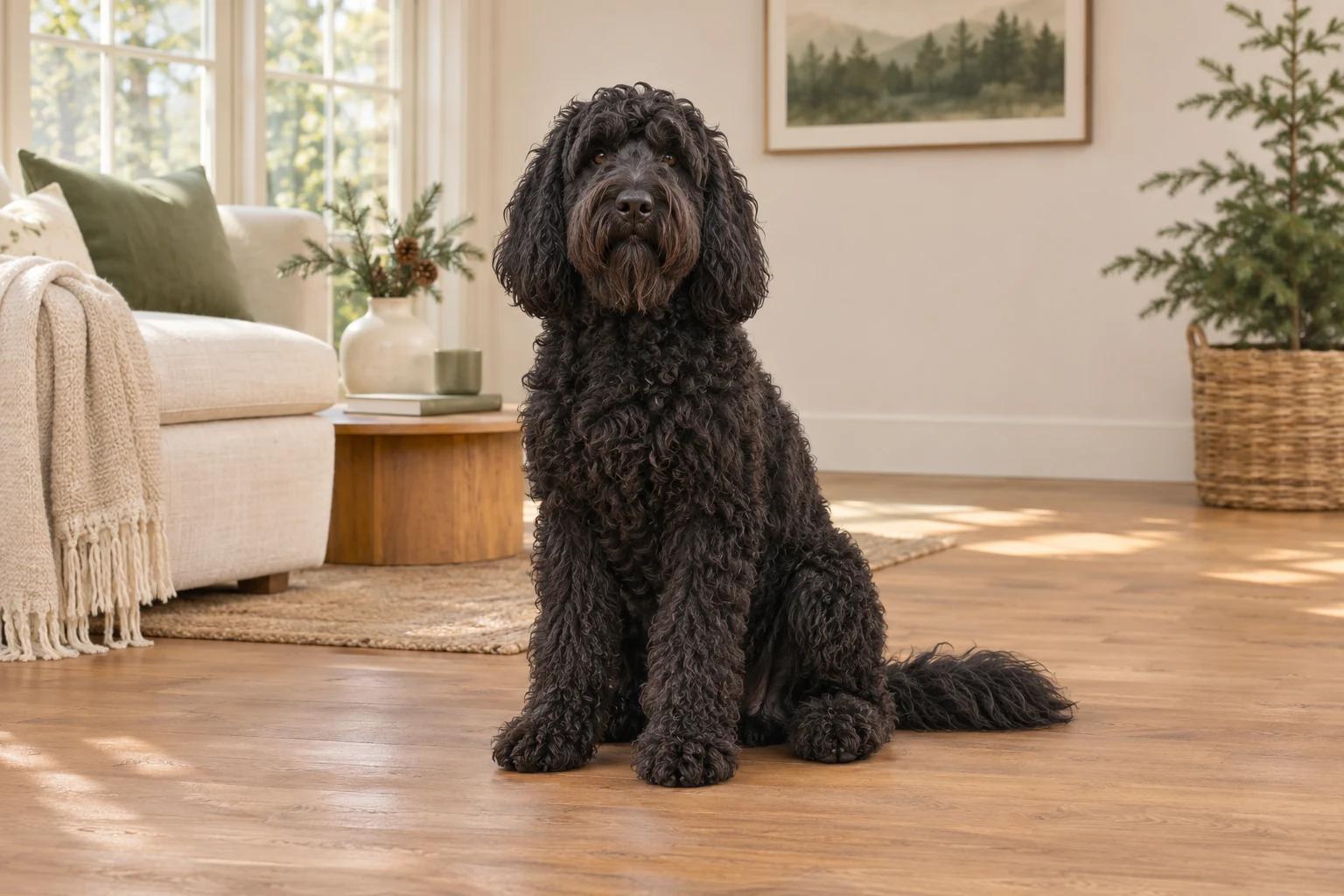
Barbet dog exercise can include much more than a long walk or a trip to the water. This sporting breed's background offers ideas, but the best routine is one that suits the individual and works throughout the week. Think about movement, investigation, learning, and recovery from an exciting outing rather than trying to find one activity that does everything.
Water may become an enjoyable part of the plan. It does not have to be the starting point, and it should never replace understanding the dog in front of you.
Barbet dog exercise: build a varied foundation
Our Barbet profile describes about an hour of daily activity as a typical planning picture, with learning games or a sport providing mental work. This is a reference, not a fixed requirement for every age or individual. Talk with your veterinarian about activity appropriate for your dog's circumstances.
The Barbet Club of America's breed account describes a French water-dog background. That heritage can inspire retrieving and outdoor activities, but it does not tell you which activities your particular dog already knows or enjoys.
A useful first step is to list available options close to home. Include an ordinary walking route, a quieter alternative, a suitable enclosed space, and a few indoor activities. Variety becomes easier when you do not have to invent it during a disrupted day.
Understand the Barbet dog activity level in context
A walk through a familiar neighborhood and a visit to a new place can feel quite different even when they last the same amount of time. Consider novelty, pace, surfaces, and opportunities to pause as well as duration.
You might use one outing for steady movement and another for exploring at a slower pace. Short learning sessions can fit between them without turning the day into continuous entertainment. Watch how the individual responds and adjust the plan rather than assuming more intensity is always the answer.
If you share care with someone else, describe the intended outing. “A quiet walk on the familiar route” communicates more than “exercise the dog.” It also makes it easier to understand why the day felt different when plans changed.
Prepare a land-based retrieving game
Before adding water, find out how your dog handles an appropriate toy on dry land. Does it approach, pick up, return, and release? If part of that sequence is missing, work on it separately with reward-based instruction.
Choose a clear area with suitable footing and keep throws manageable. A shared game does not need maximum distance to be worthwhile. End with a predictable collection of toys and a transition to another activity.
Barbet dog water retrieving starts before the first throw
VCA's water-sports guidance recommends checking suitability with your veterinarian, using a well-fitted dog life jacket, supervising closely, and not forcing a dog into water. For retrieving, it advises that the dog already be comfortable in water and familiar with fetch. Use a suitable floating toy.
Those basics leave several practical questions for you to answer before an outing. Is the area open to dogs? Is there an easy entry and exit? What are the current conditions and posted advisories? Who will be watching the dog, and where will the dry equipment be kept?
If you are new to water activities, an introductory session with an experienced instructor may help you organize the details. The aim is a comfortable, manageable experience, not proving that a water breed should instantly perform.
Let interest develop without pressure
A dog can investigate the shoreline without immediately swimming. Do not use a distant toy as a way to pressure it into going farther than it is comfortable. Keep the first experience simple enough that you can observe the response.
If the individual does not enjoy water, choose other activities. Breed history is not an obligation. Walks, learning games, and appropriate land-based play can still be part of a satisfying routine.
Include the time after the outing
A water outing is not finished when you leave the water. Plan towels, transport, drying, and coat care before you go. Otherwise, an enjoyable activity can leave you with a rushed and awkward return home.
The Barbet Club of America's FAQ notes that frequent swimming can increase the coat-maintenance workload. Ask your groomer how to handle the individual coat after these activities. Keep the relevant supplies together and allow time for the routine rather than squeezing the outing immediately before another commitment.
Our related article on the Barbet's natural curls explains appearance and presentation. Your exercise plan should account for practical maintenance without making every outing a show-coat project.
How much exercise does a Barbet need?
Use the site's activity description as an initial guide, then discuss the individual with its caregiver and veterinarian where appropriate. Ask what a typical day already includes and how the dog behaves afterward. An adult's established routine provides useful context; a puppy's future routine will develop over time.
Avoid using exhaustion as the sole measure of a successful day. You want a repeatable balance of suitable activity and quiet periods. A dog that becomes unexpectedly unwilling, uncomfortable, or different in its usual behavior needs a veterinary conversation, not an automatic increase in exercise.
Keep a brief record when changing the routine. Note the activity, conditions, and how the transition home went. This can help you spot which outings fit well and which need a different arrangement.
Make the plan enjoyable for both of you
Choose activities you genuinely want to repeat. If you dislike the travel, setup, or cleanup involved in a particular sport, it may not be the best foundation for ordinary life. It can remain an occasional option rather than the centerpiece.
The dog breed quiz can help you compare your activity preferences with other parts of ownership. For a Barbet, include the whole experience: getting ready, going out, learning together, returning home, and maintaining the coat afterward. That is a more useful picture than a photograph of a dog in a lake.
FAQ
Does every Barbet enjoy swimming?
No individual dog's interest or swimming ability should be assumed from its breed. Introduce water without pressure and observe the response. Use appropriate supervision and equipment, and talk with your veterinarian about suitability for the particular dog.
Can water retrieving be a Barbet's first retrieving lesson?
It is better to establish the game on land and ensure the dog is comfortable in water before combining the two. Pickup, return, and release are separate skills. A manageable introduction lets you focus on the new setting rather than teaching everything at once.
What should I plan after a Barbet swims?
Allow time for drying, transport, and coat care, and ask your groomer for instructions suited to the individual coat. Keep towels and supplies ready before leaving. The after-outing routine is part of deciding whether regular water activities fit your household.
Sources behind this article
- Barbet Club of America: About the Breed ↗
- VCA Animal Hospitals: Water Sports for Dogs ↗
- Barbet Club of America: Frequently Asked Questions ↗
Article source checked: November 14, 2026. Source checked 2026-11-14
Keep reading

Afghan Hound Exercise Needs: Build a Workable Active Day
Read article →