Australian Stumpy Tail Cattle Dog Temperament at Home
Explore Stumpy Tail Cattle Dog temperament, daily routines, introductions, and the questions to ask before choosing this active working breed.
Explore the
Australian Stumpy Tail Cattle Dog
Background, care, and everyday considerations.
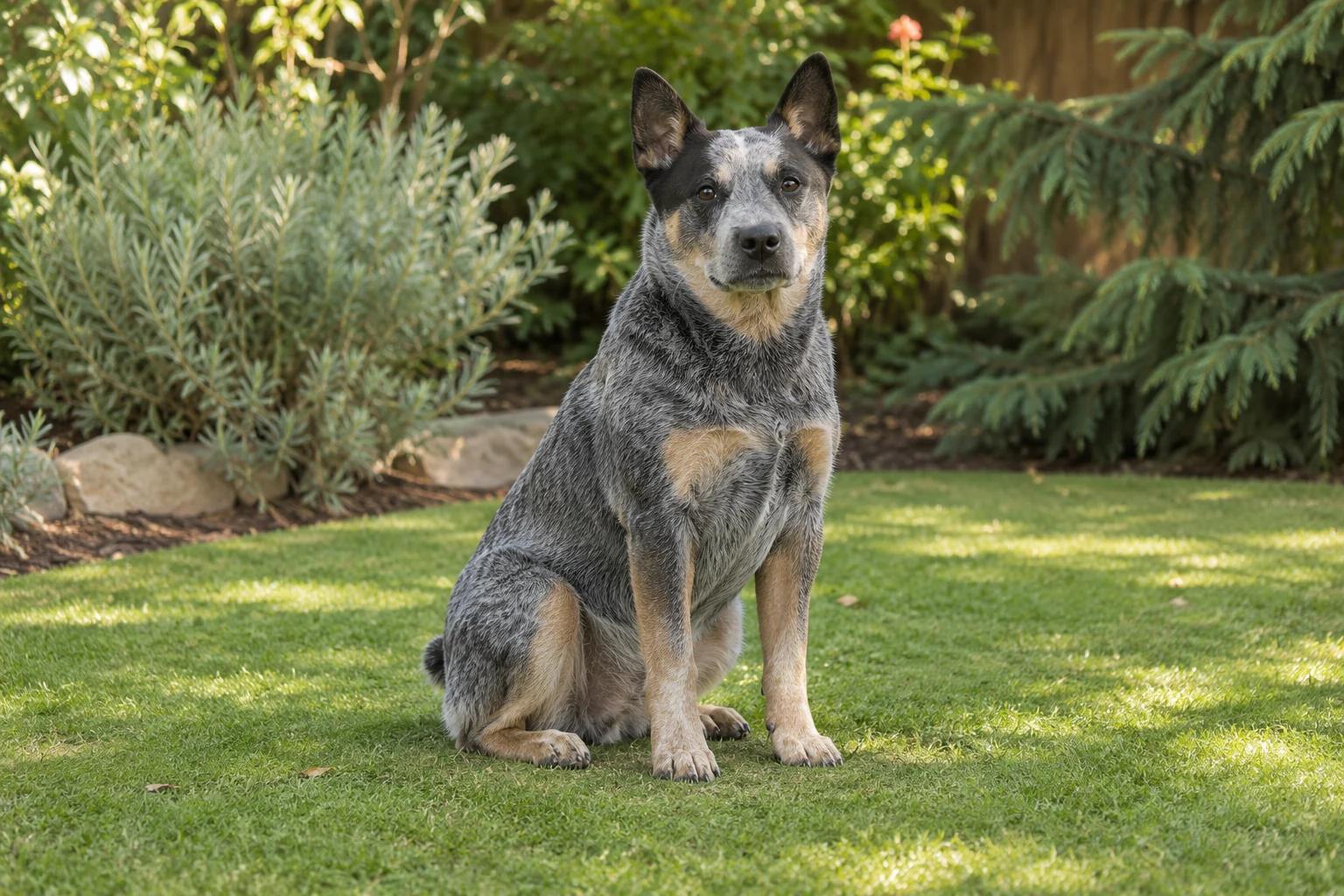
View breed profile →Australian Stumpy Tail Cattle Dog temperament makes more sense when you picture a working partnership rather than a decorative companion. This is an active cattle-herding breed, and choosing one means thinking about how attention, learning, movement, and downtime will fit into ordinary weekdays. The important question is not whether you like an energetic dog in theory. It is whether you enjoy organizing a life that gives that energy a useful direction.
Breed tendencies are a starting point. Your individual dog's experiences, age, and personality matter, so use this guide to prepare questions rather than predict every behavior.
Australian Stumpy Tail Cattle Dog temperament: the working foundation
The FCI breed standard describes an alert cattle worker that may be reserved with strangers. That gives context for an Australian Stumpy Tail Cattle Dog personality, but it is not a promise about a particular puppy. In a companion home, the useful response is to offer clear activities and thoughtful introductions, not expect the dog to welcome every visitor immediately.
Our Australian Stumpy Tail Cattle Dog profile places activity and mental engagement prominently in the ownership picture. Read those needs alongside your actual schedule. A weekend outdoors does not tell you much about what Tuesday will look like when work runs late and the weather changes.
Make the weekday concrete
Write down the times when someone can genuinely focus on the dog. Separate a purposeful outing from simply opening the back door. Identify who can handle care when your usual arrangement falls through. Then consider whether learning together sounds enjoyable or like another obligation you hope to minimize.
You do not need to turn every interaction into a formal lesson. An outing with opportunities to investigate, a brief skill practice, and a quiet period afterward can have different purposes. The point is to build a routine you can repeat, rather than improvise a bigger and bigger activity every time the dog becomes restless.
Attention is something to guide
Among Australian Stumpy Tail Cattle Dog characteristics, the working background deserves practical attention. Think about the situations your home presents: a busy kitchen, people moving through doors, visitors arriving, or a bicycle passing on a walk. Decide in advance what you would like the dog to do in each setting.
For example, during food preparation, a comfortable place away from your feet gives you a clear alternative to having a dog involved in every movement. Start practicing when the kitchen is quiet. Asking for a new behavior at the busiest moment makes it harder to see whether the dog understands.
Keep the goal small enough to observe. “Be calmer” is difficult to teach or measure. “Stay on this mat while I put one plate away” is a clearer starting point. Increase the challenge when that version becomes familiar, rather than adding distance, duration, and distraction together.
Introductions without a social performance
A visit from a friend does not need to begin with hands reaching toward the dog. Arrange the space so your Stumpy can observe without being crowded. Ask visitors to let the interaction develop rather than treating a greeting as a test the dog must pass.
You can also separate the event into stages: arrival, settling into the room, and any later interaction. A dog that finds an entrance busy may behave differently once everyone is seated. Giving yourself that distinction helps you plan more effectively than labeling the entire visit a success or failure.
Ask a breeder, foster carer, or current owner for examples. What happened during the most recent visitor's arrival? Where was the dog? What helped? A concrete account is more useful than “very friendly” or “a little shy,” because those descriptions can mean quite different things to different people.
Work with the dog you have
Stumpy Tail Cattle Dog behavior should be described in situations, not reduced to a fixed personality label. Keep a brief note when a recurring difficulty appears. Record the setting, what happened immediately beforehand, and what the dog did next. That can reveal a practical change you had overlooked, such as a crowded route or a transition that happens too abruptly.
Avoid making every difficult moment a question of obedience. The dog may not have practiced that skill in that setting. You may be asking for too much at once. A qualified reward-based trainer can help you turn a broad concern into a manageable plan. For a sudden change in behavior or a concern about discomfort, talk with your veterinarian.
Make rest part of the arrangement
A useful home plan includes somewhere the dog can be left undisturbed. Choose a location with a comfortable resting surface and reasonable separation from household traffic. Explain the arrangement to everyone who shares the space.
Notice quiet moments as well as conspicuous activity. If your notes only record what went wrong, you may miss the conditions in which the dog already settles easily. Those ordinary successes can help you decide where to place rest periods and which transitions need more support.
Questions worth asking before choosing a Stumpy
Try to meet adult dogs and discuss ordinary routines, not only achievements or photographs. Ask what the dog does when a planned outing is delayed, how new places are introduced, and what happens after an exciting activity ends. Ask about experience with other animals without assuming that one successful introduction predicts every future pairing.
If you are considering a puppy, ask how its current routine can transfer into your home. If you are considering an adult, ask which behaviors have actually been observed and which remain unknown. Either way, specific information helps you prepare without pretending that you can remove all uncertainty.
The AKC introduction also makes clear that the Stumpy is its own breed, not simply another cattle dog with a different tail. Our related article on the Stumpy's natural-tail breed identity covers that separate topic. For your everyday match, use the dog breed quiz to organize your priorities, then compare its suggestions with what you learn about real dogs.
FAQ
What is Australian Stumpy Tail Cattle Dog temperament like?
The Australian Stumpy Tail Cattle Dog is an active working breed whose standard describes alertness and reserve with strangers. Everyday temperament varies between individuals. Ask about the dog's routine, introductions, and ability to settle instead of relying on a single breed label.
Is a Stumpy a low-effort companion because it has a short coat?
A short coat does not make the overall ownership commitment small. A Stumpy's activity, learning, and household routine deserve separate consideration from grooming. Choose on the basis of the life you can provide, not coat length alone.
What should I ask when meeting an adult Stumpy?
Ask for examples of recent outings, visitor arrivals, quiet periods, and changes to routine. Find out what the dog has experienced and what remains untested. Specific observations provide a more useful starting point than broad descriptions such as energetic or affectionate.
Sources behind this article
- FCI: Australian Stumpy Tail Cattle Dog Standard 351 ↗
- American Kennel Club: Australian Stumpy Tail Cattle Dog ↗
Article source checked: November 14, 2026. Source checked 2026-11-14
Keep reading
Australian Stumpy Tail Cattle Dog Size: A Practical Guide
Read article →