Australian Stumpy Tail Cattle Dog Size: A Practical Guide
See typical male and female Stumpy Tail Cattle Dog size, plus practical ways to plan equipment, transport, and space around the individual dog.
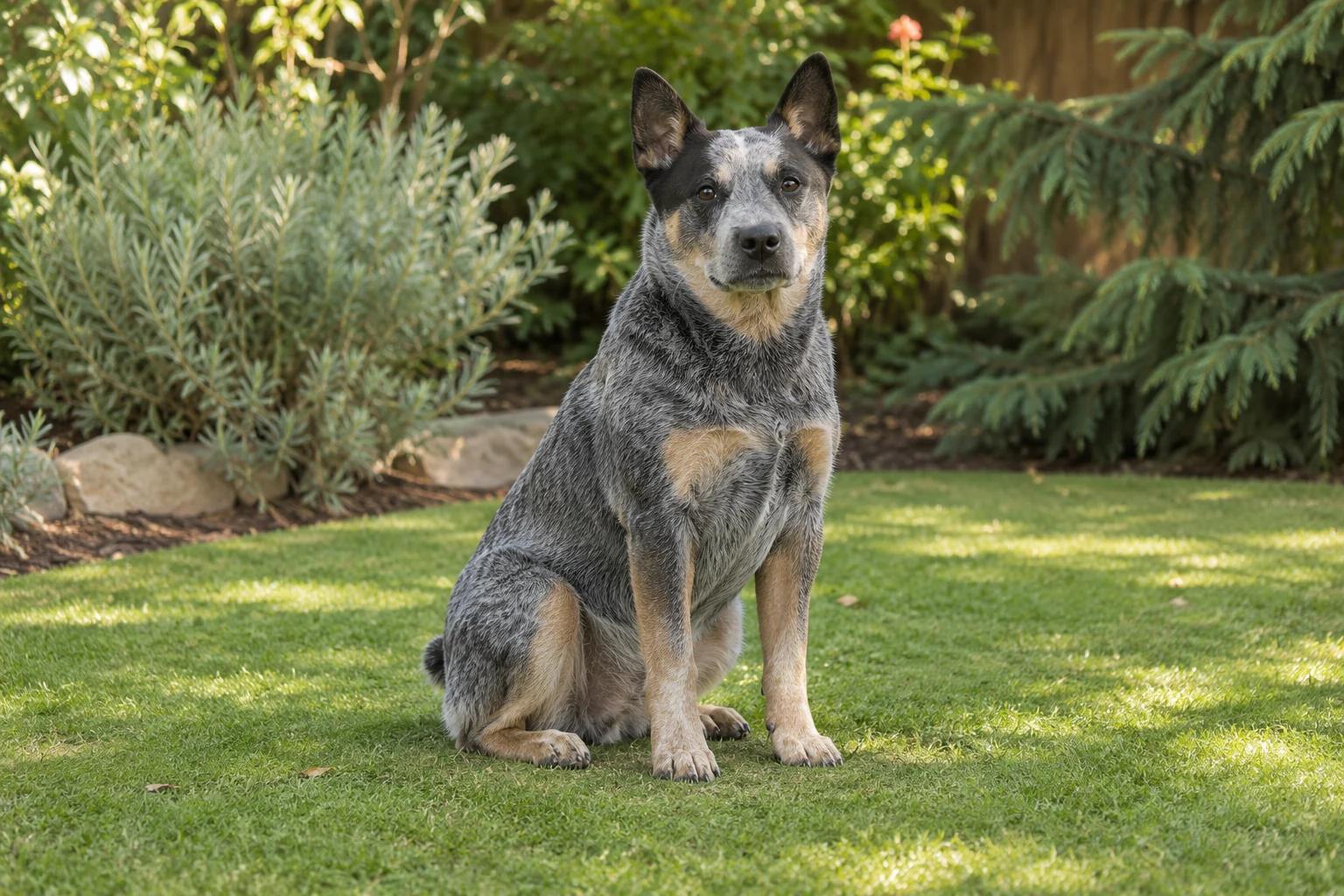
Explore the
Australian Stumpy Tail Cattle Dog
Background, care, and everyday considerations.
View breed profile →Australian Stumpy Tail Cattle Dog size is best understood through height, weight, and the way the dog occupies space. This is not a tiny companion, but neither does a medium-sized outline tell you how much activity or attention a dog will need. Start with the adult ranges, then think through the equipment and daily arrangements your particular dog will use.
Our figures below follow the current My Breed Atlas breed record. They are useful planning references, not targets you should try to make an individual animal reach.
Australian Stumpy Tail Cattle Dog size at a glance
The Australian Stumpy Tail Cattle Dog profile lists these typical adult ranges:
| Measurement | Male | Female |
|---|---|---|
| Height at the shoulders | 18–20 inches | 17–19 inches |
| Weight | 38–45 pounds | 32–35 pounds |
The combined reference range is 17–20 inches in height and 32–45 pounds in weight. Keeping the male and female figures visible gives a more useful picture than presenting the combined range as if every point were equally typical for every dog.
The FCI standard gives the same sex-specific height ranges. It describes a roughly square body outline. That proportion is a separate detail from weight: two dogs of similar weight can still need differently shaped equipment.
What does height mean here?
Australian Stumpy Tail Cattle Dog height refers to the shoulders, not the top of the ears. When you are comparing breed figures, make sure you are comparing the same measurement. A photograph taken from below, or a dog standing beside a person, is not a reliable substitute for a measurement.
For practical purchases, follow the manufacturer's measuring instructions for the specific item. A collar, harness, travel carrier, and coat may each use a different combination of measurements. A product described as “medium” is not standardized across brands.
Australian Stumpy Tail Cattle Dog weight is not an equipment size
Knowing an approximate adult weight helps you plan, but it does not select a harness for you. Measure the individual dog where the product instructions specify and check the fit after adjustment. Pay attention to whether the straps sit where intended and whether the dog can move normally.
For a growing puppy, choose adjustable equipment within its stated limits and recheck it regularly. Buying the largest adult size immediately may leave you with something that cannot fit the puppy securely. On the other hand, buying a complete set of expensive fixed-size items before you know the adult dimensions can create unnecessary replacements.
Keep a simple record of measurements and the date they were taken. That makes online shopping less dependent on memory and helps you notice when a once-suitable item needs another fitting. If you have questions about the dog's weight or body condition, talk with your veterinarian rather than adjusting care to chase a breed chart.
How big do Stumpy Tail Cattle Dogs get in everyday terms?
The useful answer extends beyond pounds. Picture the dog turning in a hallway, stretching on a bed, waiting beside a dining table, and traveling in your car. Those are different space problems, and a single weight limit does not solve all of them.
For a sleeping area, consider the dog's relaxed posture rather than only its curled-up outline. For transport, check the chosen system's fit and installation instructions and the space available in your vehicle. For shared walkways, leave room for people to pass without repeatedly stepping over the resting dog.
Try a simple room plan before buying furniture or equipment. Mark where a bed would go, where doors swing, and which route people use most often. A good location is one you can live with every day, not just somewhere the bed technically fits.
Consider the handling arrangement too
Think about who will handle the dog during ordinary care and transport. A dog's weight is only one part of that experience; movement, training, and the situation also matter. If a household member needs a particular handling arrangement, discuss it while planning rather than discovering the difficulty during a rushed outing.
Do not select a dog solely because its published maximum falls below a number you had in mind. Meet adults where possible and watch ordinary movement and handling. That gives the measurements a more useful context.
Puppy size questions that are worth asking
A puppy's current appearance is only part of the picture. Ask for the parents' recorded adult measurements and for any information about mature relatives. Those details provide context, but they do not turn an individual puppy's future size into a guarantee.
Be cautious about predictions made from a photograph or a remark about large paws. A practical discussion should distinguish measured information from an estimate. Ask which figures are known, which are expected, and when the breeder last measured the adults being discussed.
For an adult dog, you can work with current dimensions instead of a forecast. Ask when its weight was last recorded and measure for equipment yourself. For questions about growth, weight changes, or physical development, talk with your veterinarian.
Size does not replace the rest of the match
The AKC's breed introduction emphasizes the Stumpy's own identity and leggy, square outline. Our existing article about the naturally short tail and breed standard explores that identity in more detail. Neither an outline nor a measurement tells you everything about living together.
The breed's activity and mental engagement need their own place in your decision. A home can accommodate the physical dimensions of a dog without having a workable daily routine for it. Conversely, a carefully organized home should be evaluated on its actual arrangements rather than an assumption based only on floor area.
Use the dog breed quiz to put size beside your other preferences. Then return to the individual dog: its current measurements, observed behavior, routine, and the practical changes your home would need. The most useful size guide ends with a better plan, not simply a smaller shopping list.
FAQ
What is the typical Australian Stumpy Tail Cattle Dog size?
My Breed Atlas lists males at 18–20 inches and 38–45 pounds, and females at 17–19 inches and 32–35 pounds. Height is measured at the shoulders. These adult reference ranges support planning but do not predict the exact size of every dog.
How should I choose a harness for a Stumpy?
Measure the individual dog using the harness manufacturer's instructions and check the fit after adjustment. Breed name and weight alone are not enough to select a size. Recheck growing dogs and replace equipment when it no longer fits within the product's intended range.
Can I predict adult size from a Stumpy puppy's paws?
Paw size is not a dependable basis for a precise adult-size promise. Ask about measured adult parents and mature relatives, and distinguish known records from estimates. Talk with your veterinarian about questions concerning the individual puppy's growth.
Sources behind this article
- FCI: Australian Stumpy Tail Cattle Dog Standard 351 ↗
- American Kennel Club: Australian Stumpy Tail Cattle Dog ↗
Article source checked: November 14, 2026. Source checked 2026-11-14
Keep reading
Australian Stumpy Tail Cattle Dog Temperament at Home
Read article →