Aussiedoodle Grooming: Choose a Coat Plan You Can Maintain
Choose Aussiedoodle grooming and haircuts around the actual coat, home maintenance, and clear guidance from your groomer.
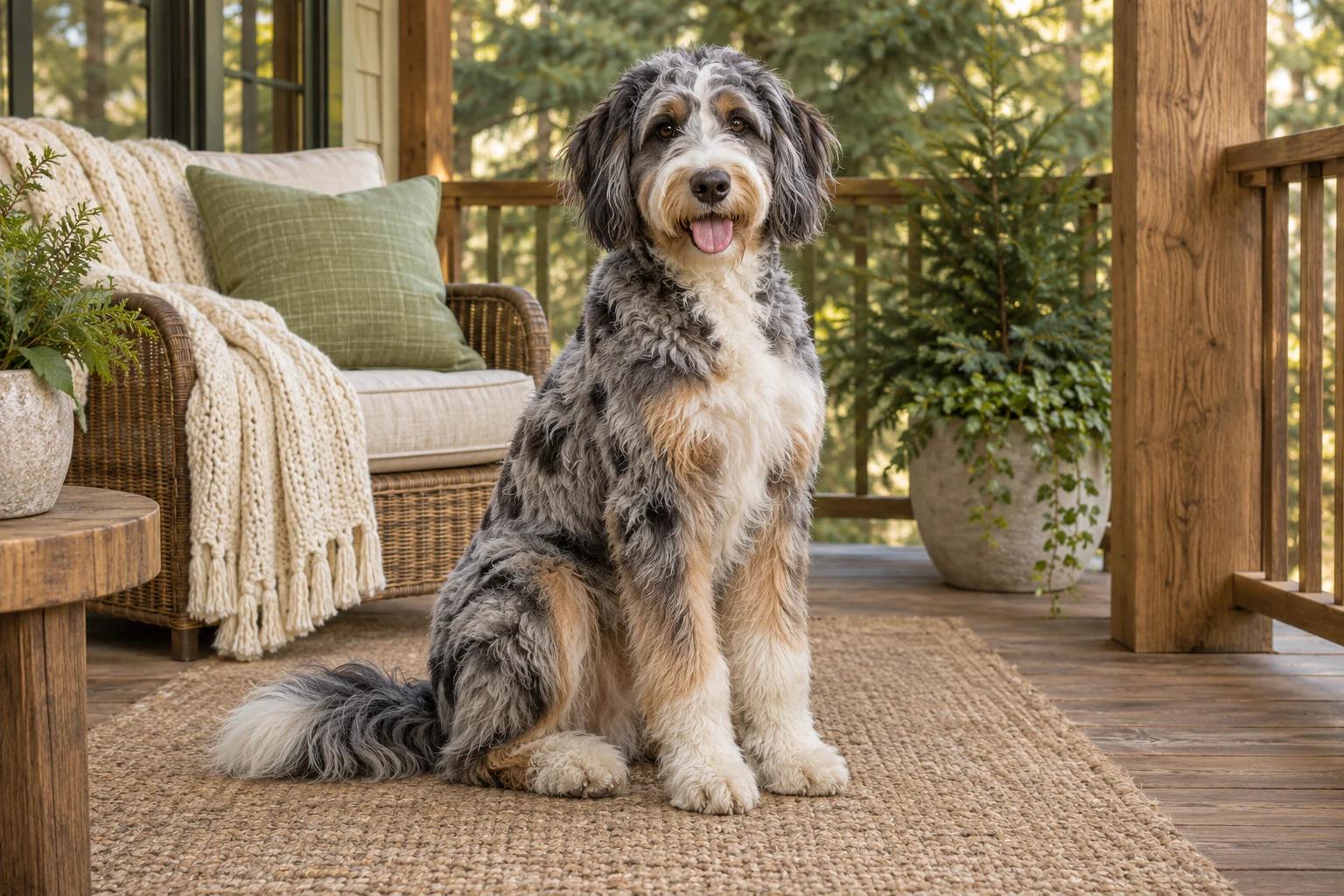
Aussiedoodle grooming should begin with the individual coat, not a haircut photograph. The site's profile includes wavy and curly textures, regular brushing, and haircuts. Two dogs carrying the same crossbreed name can therefore need different practical arrangements, even when their owners want a similar finished look.
Start with the Aussiedoodle profile, then ask a groomer to assess your dog's texture, density, and current condition. The goal is a comfortable, manageable coat and a routine you can actually maintain between appointments.
Aussiedoodle grooming: texture comes before style
The Poodle side of the cross brings a curly-coated background, described in AKC's Poodle overview. That parent description does not tell you exactly what coat every Aussiedoodle will have. Work with the coat in front of you rather than assigning it a routine from ancestry alone.
VCA's coat-care guidance explains that tools should suit texture and that tangles deserve gentle attention. Difficult or extensive mats call for professional help, not forceful brushing or improvised scissors.
At the first appointment, ask the groomer to show which areas need attention and how to recognize a section that is properly worked through. A quick brush across the visible surface may not tell you what is happening underneath. A demonstration gives the routine a clear purpose.
An Aussiedoodle haircut is a maintenance decision
An Aussiedoodle haircut should suit the life you share. A longer outline may look appealing in a photograph, but discuss the work required to keep it that way. The best style is not necessarily the one with the most dramatic before-and-after image.
Bring reference photographs, then ask what is realistic for your dog's coat. Point out the details you like rather than relying on an informal style name that may mean different things to different groomers. Discuss body length, face shape, and the practical finish in ordinary language.
Tell the groomer about outdoor activities and the amount of home care you can maintain. If the answer is less than a particular style requires, choose another style rather than agreeing to a plan you cannot follow. A clear conversation prevents disappointment at the next appointment.
Discuss changes before the appointment begins
If the coat's current condition limits the options, ask the groomer to explain that before work starts. Understand which choices are available and why. The aim is agreement on a practical result, not a surprise when you collect the dog.
Keep a note or photograph of a finish that works well for you. It can help communicate at a later visit, especially if a different groomer is involved. Pair the image with the care routine that maintained it, not just the appearance on the first day.
Aussiedoodle coat care between visits
Aussiedoodle coat care is not paused between professional appointments. Ask for a home plan that identifies the appropriate tools, the areas to check, and when to contact the groomer if something becomes difficult.
Prepare a consistent place with good light and stable footing. Keep the familiar supplies together so the task does not begin with a search for equipment. You are more likely to notice a small problem when the routine is calm and organized.
VCA highlights areas such as behind the ears and under the legs where tangles may develop, and recommends checking for debris after outdoor activity. Use those checks as part of learning your dog's coat rather than attempting a complete professional groom at home.
Make the task cooperative
Ask how to introduce brushing and handling in manageable steps if they are unfamiliar. A short comfortable practice is more useful than waiting until there is a large task and expecting the dog to tolerate it without preparation.
If the dog becomes uncomfortable, stop and work out what needs to change. The issue may be the task, the setup, or a physical concern. Talk with your veterinarian about pain, skin changes, or other care concerns rather than treating them as a grooming preference.
How often to groom an Aussiedoodle
How often to groom an Aussiedoodle depends on the individual coat, the chosen length, and the activities that affect it. Establish the interval with your groomer instead of adopting a universal schedule from another dog's photograph.
Ask what should trigger an earlier check. The answer may involve a change in how easily the coat can be maintained or a specific area becoming difficult. Knowing what to watch for is more useful than waiting for the next calendar date regardless of condition.
Clarify which tasks happen at home and which happen professionally. “Regular grooming” can mean different things to different people. A useful plan names the brushing, checking, bathing guidance, and haircut arrangements rather than leaving everything under one vague label.
Bathing needs its own practical plan
Ask about products and preparation before bathing at home. A coat that is difficult to work through may need professional attention first. Do not assume washing will solve a tangle or make an unfamiliar grooming task easier.
Arrange towels, the drying area, and the next step before beginning. Think about how you will keep the process manageable for the dog and the person helping. If you have not been shown the routine, request a demonstration instead of guessing from a short video.
For skin concerns or a change in how frequently bathing seems necessary, talk with your veterinarian. Avoid adding products because another owner recommends them for a dog with a similar name or appearance.
Build the cost and time into your decision
When considering an Aussiedoodle, ask local groomers about availability and the factors that affect appointment time and price. Do not assume every dog is charged or scheduled identically. Coat condition, size, and the work requested can change the practical commitment.
Use the dog match quiz to consider care alongside activity and company. Our article about merle photographs and genetic information addresses a separate subject; coat color should not distract from learning the care routine the individual needs.
A useful grooming plan is understandable, repeatable, and adjustable. It lets you enjoy the dog's appearance without relying on a style that only works on the day of a professional appointment.
FAQ
Do all Aussiedoodles need the same haircut?
No. Coat texture, density, condition, and the owner's maintenance routine affect the choice. Discuss a practical style with a groomer who has assessed the dog. A photograph of another Aussiedoodle does not establish an identical care plan.
How often should an Aussiedoodle be professionally groomed?
Set the interval with your groomer based on the individual coat and chosen length. Ask what changes should prompt an earlier check. A universal schedule cannot account for every coat, activity pattern, or home-care routine.
Can I cut out a mat with scissors?
Do not improvise with scissors near the skin. Difficult or extensive mats should be assessed by a groomer or veterinarian. Ask for guidance before trying unfamiliar removal methods, especially if the dog appears uncomfortable.
Does a short haircut remove the need for home care?
No. Home checks and appropriate care still matter, even with a shorter style. Ask the groomer which tasks remain and how to carry them out. The haircut and the maintenance plan should be discussed together.
Sources behind this article
Article source checked: November 14, 2026. Source checked 2026-11-14
Keep reading

Affenpinscher Grooming: A Practical Coat-Care Routine
Read article →