The American Eskimo Dog's story starts before the circus
Follow the American Eskimo Dog's German Spitz and farm-dog background, understand its later show-business fame, and avoid reading Arctic ancestry or guaranteed tricks into the name.
The name can send a reader in the wrong direction
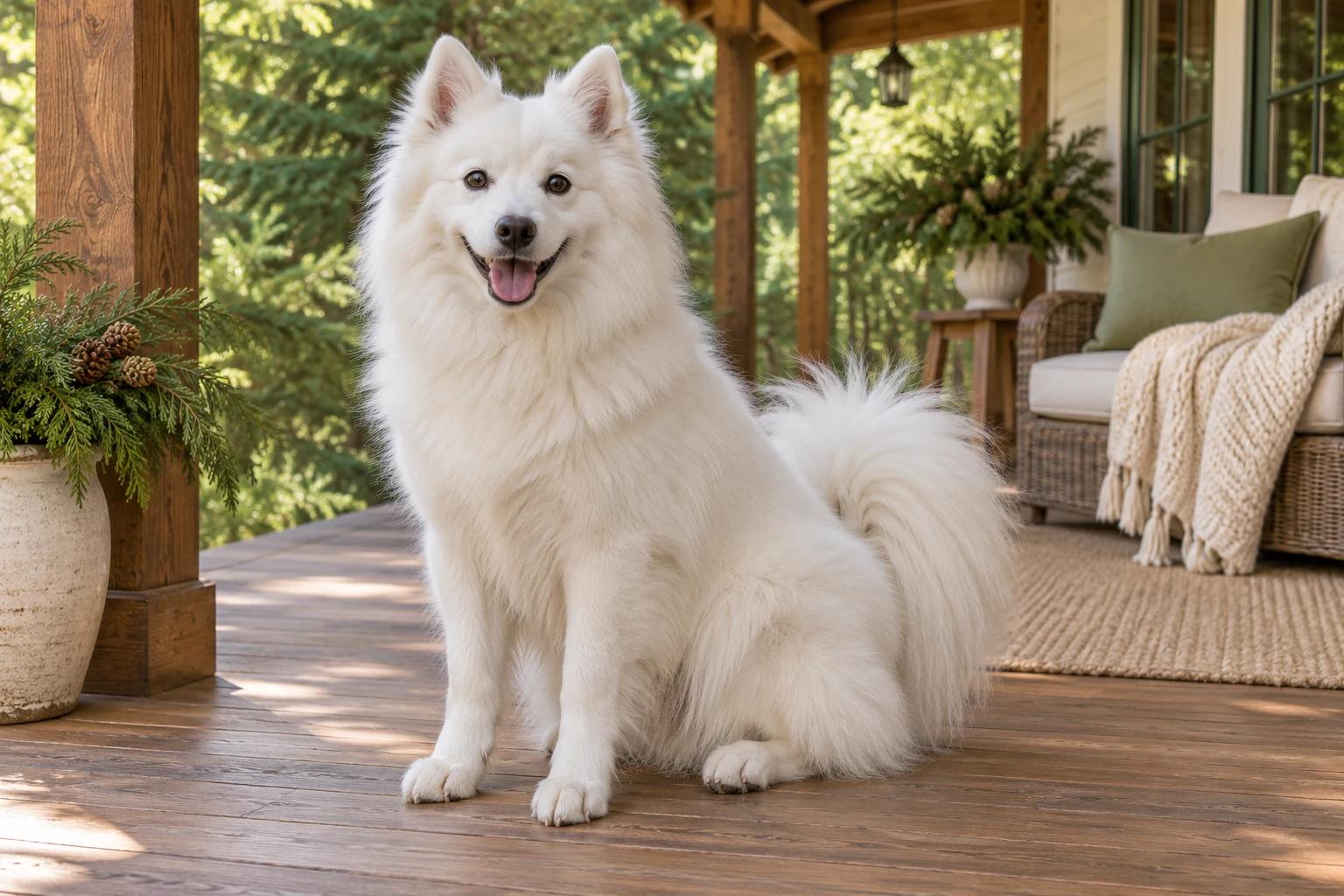
The American Eskimo Dog's name and white coat can suggest an Arctic sled-dog story. AKC's history instead traces the breed to German Spitz dogs brought to the United States by German immigrants. The name does not identify an origin among the Indigenous peoples it appears to reference.
Keeping that distinction clear makes the history more interesting, not less. This is a story of dogs accompanying people to a new country and taking on roles within their communities. An evocative modern label should not replace the documented account of where the ancestors came from and what they did.
Farm work came before show-business fame
In AKC's comparison of the Eskie and Samoyed, former American Eskimo Dog Club of America president Karen Scholz explains that Eskies' ancestors were versatile farm dogs, rather than dogs originally created for circus acts. The account describes work that included herding, guarding and companionship. Performance became a later chapter.
AKC's breed facts describe the popularity of these dogs in traveling circuses and note how their bright coats stood out under the lights. That public visibility helped shape the breed's reputation as an entertainer. It is useful to distinguish a role that made dogs famous from the earlier work that formed part of their background.
A performance tradition is not a promise about your dog
The modern owner can enjoy that history without treating a puppy as a ready-made stage act. A story about successful performers does not tell you what an individual dog has learned, what it enjoys or how comfortable it feels around an audience. There is no obligation to reproduce an acrobatic stunt to honor the breed.
For an illustrative family project, make a short timeline with separate entries for German Spitz ancestry, American farm life and later circus popularity. Keep uncertainty in dates or labels visible rather than adding dramatic details. That approach gives the American Eskimo Dog a fuller identity than a snowy appearance or a clever trick, while leaving today's companion to be understood through its own behavior and care needs.
Sources behind this article
Article source checked: October 20, 2026. Source checked 2026-10-20
Keep reading
American Eskimo Dog Grooming: A Practical Coat-Care Routine
Read article →