Alaskan Malamute vs Siberian Husky: Compare Everyday Ownership
Compare Alaskan Malamute vs Siberian Husky size, activity, coat care, and daily routines before choosing the dog that fits your home.
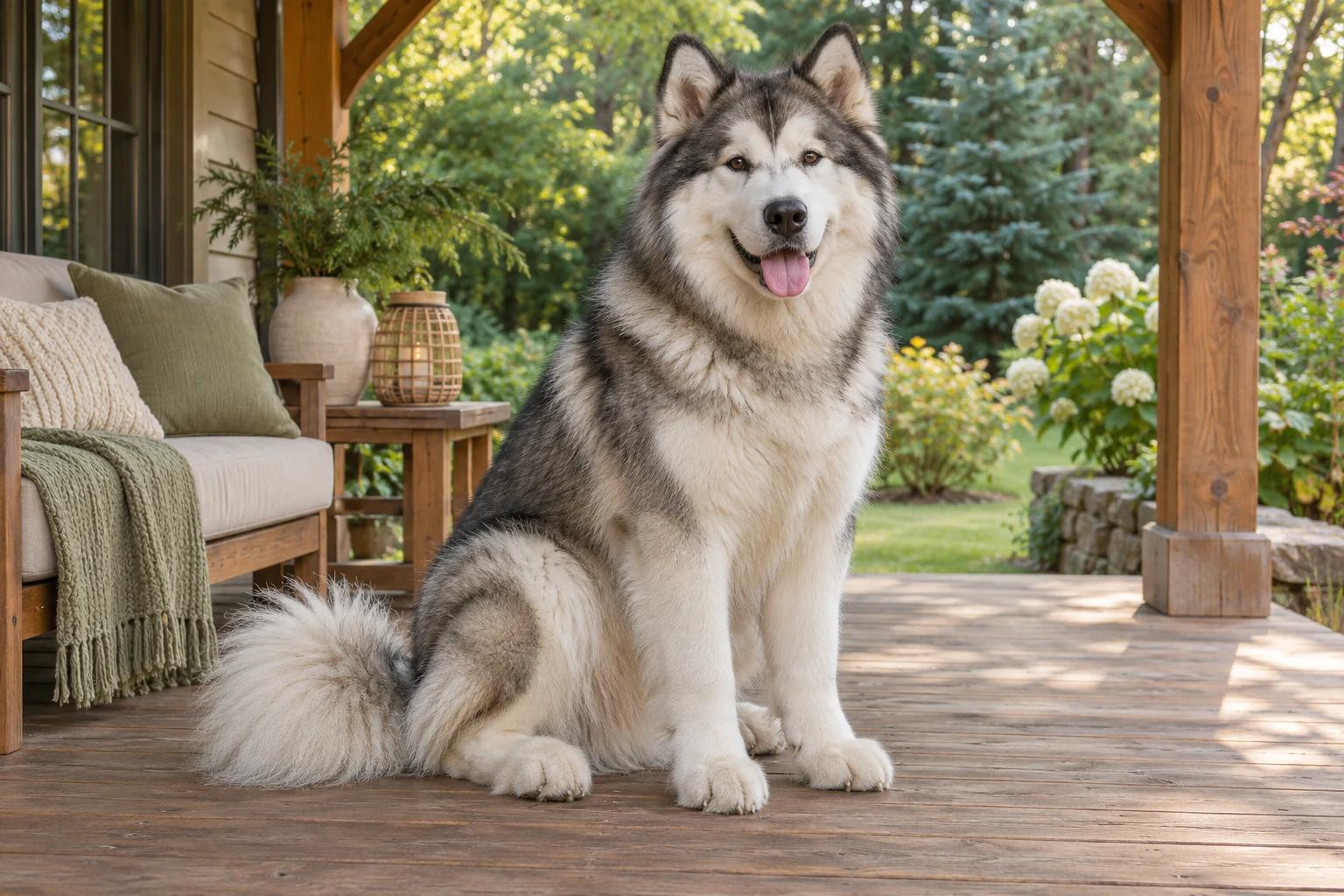
An Alaskan Malamute vs Siberian Husky comparison needs more than a side-by-side photograph. Both have northern working backgrounds and substantial coats, but their physical scale differs, and each brings its own practical questions. Choosing between them means looking at handling, activity, grooming, and the individual dog rather than deciding which face looks more wolf-like.
Neither breed is a shortcut to effortless ownership. The aim is to identify a daily arrangement you can maintain and a dog whose observed needs fit that arrangement.
Alaskan Malamute vs Siberian Husky: size is a major difference
The Alaskan Malamute profile lists typical male reference measurements of 85 pounds and 25 inches, and female measurements of 75 pounds and 23 inches. The Siberian Husky profile lists males at 45–60 pounds and 21–23.5 inches, and females at 35–50 pounds and 20–22 inches.
That makes the Malamute a more substantial handling proposition even where height looks relatively similar. Think about a dog turning in a hallway, stepping into a vehicle, or standing beside you while equipment is fitted. Weight and build affect those moments in ways a height comparison alone misses.
Make space and equipment plans around the actual dog. Breed reference figures are useful for preparation, but a bed, harness, or travel setup still needs to fit the individual using it.
Ask who will do the physical work
Who will hold the lead, bathe the dog, and help with transport? Can that person manage the arrangement comfortably? If you rely on another household member, involve them before making the choice.
This is not an argument that one size is better. It is a way to avoid discovering that an appealing dog requires a handling setup nobody has planned.
Working backgrounds are context, not an exercise prescription
The AKC Malamute overview emphasizes a powerful, substantial worker. Its Siberian Husky overview describes a medium-sized sled dog associated with teamwork and endurance. Those broad descriptions explain part of the contrast without telling you what either individual should do today.
Both live profiles identify a substantial activity commitment. Do not choose one on the assumption that a heavier build means a quieter lifestyle or that every lighter dog should become a running partner.
Plan an ordinary week with outings, appropriate activities, engagement, and rest. Then discuss the suitable amount and intensity for your own dog with your veterinarian, especially before adding a sport or sustained running.
The most useful comparison is whether your available time and local options match the dog's routine. A collection of expedition photographs does not answer that question.
Coat care matters with both dogs
The Alaskan Malamute Club of America describes a coarse outer coat over a woolly undercoat. The Husky also has a double coat, and both site profiles make loose hair part of the ownership picture.
Consider where grooming will happen and whether you can manage bathing and drying at home. A larger dog may require a different physical setup, but the smaller option still needs regular attention and comfortable handling.
Ask a groomer to demonstrate suitable tools on the individual coat. Avoid choosing a routine from photographs of removed hair or assuming that one product will make shedding disappear. The objective is a manageable coat-care process, with cleaning arrangements for the home as well.
Check your tolerance honestly
Some people enjoy grooming and barely notice loose hair; others find both frustrating. Neither response changes the dog's coat. Discuss responsibilities with everyone sharing the home instead of assuming the person most excited about the dog will always handle cleanup.
If professional grooming will be part of the plan, ask for estimates based on the actual dog and services. A generic breed price does not tell you what your local arrangement will cost.
Siberian Husky vs Alaskan Malamute: company and noise
The site describes both breeds as interested in their people while retaining individual independence. The Husky profile also emphasizes vocal behavior. That makes the actual household environment important, especially where there are shared walls or long periods without company.
Ask caregivers what the dog does in specific situations. How does it spend a quiet afternoon? What happens when people leave? Which sounds or events trigger a response? How has it experienced visitors and other animals?
Do not use a short, quiet meeting as evidence about an entire day. Similarly, a dramatic video of one vocal dog does not represent every individual. Look for repeated observations and discuss what has not yet been tested.
For existing pets or children, plan around the actual individuals, with supervision and separate space. A sociable breed description does not establish compatibility for a particular household.
Training and containment deserve equal attention
In a Malamute or Husky decision, consider how you like to teach. Both choices need useful household skills and a practical management plan. Decide how doors, gates, walking equipment, and resting areas will work, then teach those routines in manageable steps.
A secure boundary and a trained response do different jobs. Keep physical arrangements in place while learning continues rather than treating an encouraging practice session as proof that every distraction is covered.
Inspect the actual outdoor area you intend to use. Think about gate users, deliveries, shared access, and the person caring for the dog when you are away. The routine needs to work for everyone responsible for it, not only the most experienced person in the household.
If you need help, choose a reward-based trainer who can explain their methods and work with your real setting. A plan for your doorway or walking route is often more useful than a generic claim that one breed is stubborn.
Decide using a practical shortlist
Give each candidate three headings: physical handling, daily routine, and individual behavior. Write what you know under each and identify the questions still open. Keep appearance on the list if it matters to you, but do not let it supply answers to the other categories.
For example, you may find that the Husky's size fits your transport better while its activity and vocal profile require more thought. Or you may be comfortable with a Malamute's substantial build and have a workable care arrangement. Neither observation settles the decision alone.
Meet adult dogs where possible, and ask owners what takes more effort than people expect. Practical details help you compare real life rather than two idealized portraits.
The dog matching quiz can organize your preferences. If you want more detail on the Malamute's working background, read what its freight-dog heritage means. For this choice, keep the final test simple: can your ordinary week support the individual dog you are considering?
FAQ
What is the main difference between Malamute and Husky?
Physical scale is a major difference. My Breed Atlas lists Malamute reference weights of 75 pounds for females and 85 for males, compared with Husky ranges of 35–50 and 45–60 pounds respectively. Both also require thoughtful activity, coat care, training, and household planning.
Is a Malamute just a large Siberian Husky?
No. Alaskan Malamutes and Siberian Huskies are distinct breeds with different builds and working backgrounds. Their similar northern appearance should not be treated as evidence of identical care needs or personality. Assess each breed and the individual dog separately.
Which sheds more, a Malamute or Husky?
Both site profiles describe substantial loose hair, so neither is a low-cleanup choice. The amount you notice depends on the individual coat and routine. Plan regular grooming and household cleaning instead of relying on a simple ranking to decide between them.
Which breed is better for a first-time owner?
There is no universal winner. Consider handling ability, available time, suitable activity, grooming, and access to training support. Meet adult dogs and discuss their actual routines. The better choice is the individual whose needs you can realistically support, not the breed with a more appealing reputation.
Sources behind this article
- American Kennel Club: Alaskan Malamute ↗
- American Kennel Club: Siberian Husky ↗
- Alaskan Malamute Club of America: About Malamutes ↗
Article source checked: November 14, 2026. Source checked 2026-11-14
Keep reading

Affenpinscher vs Brussels Griffon: Everyday Differences
Read article →