Transylvanian Hound Shedding and Coat Care
Understand Transylvanian Hound shedding, coat structure, gentle grooming preparation and the difference between normal loose hair and skin concerns.
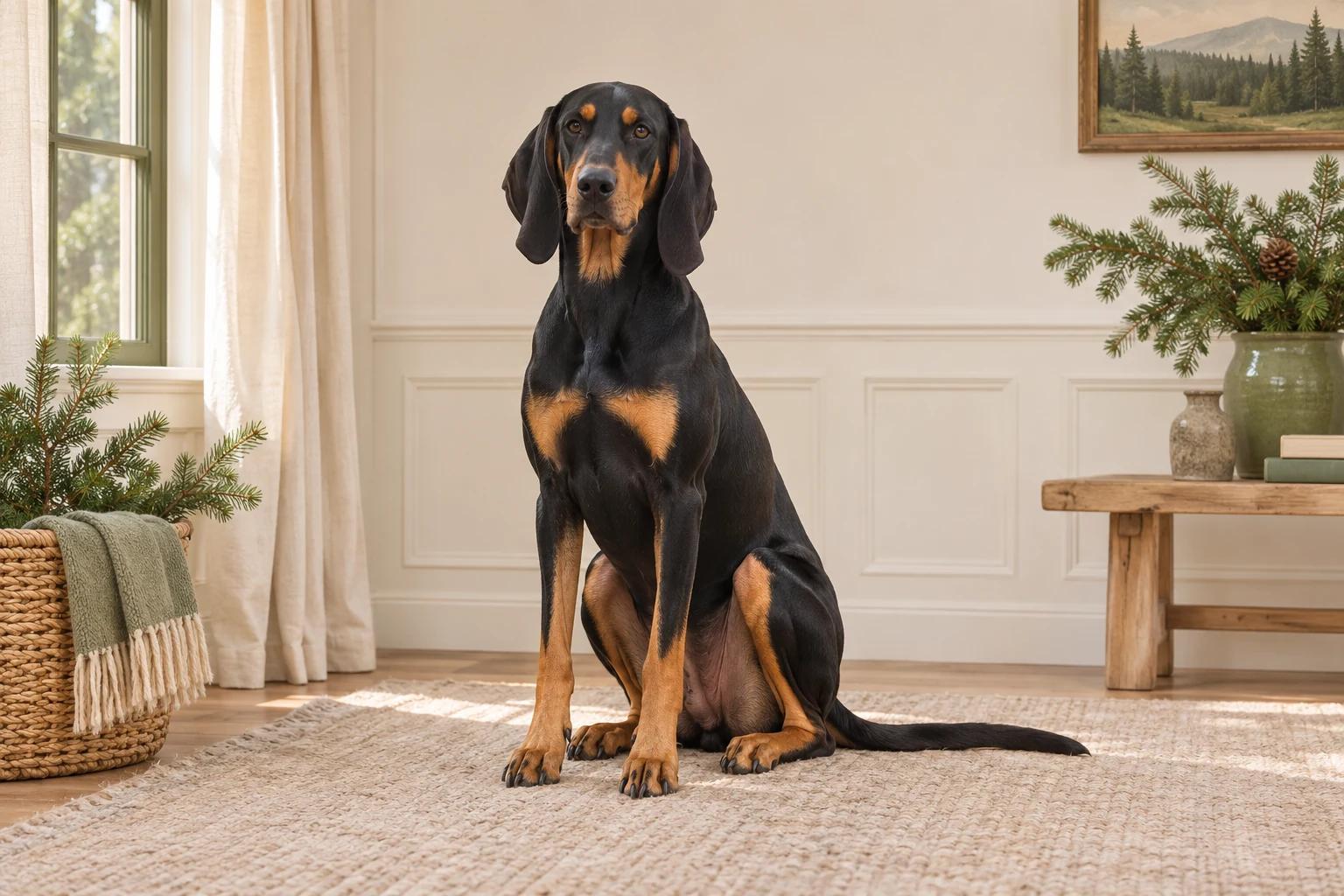
Transylvanian Hound shedding is part of the commitment even though the coat is short and the current breed profile describes a relatively modest grooming routine. The useful distinction is between hair length, grooming frequency and loose hair. They describe different things. A dog can lack a long, flowing coat yet still leave hair behind, and an uncomplicated routine still needs regular attention.
Transylvanian Hound shedding starts with the coat itself
The FCI standard describes short, straight, dense hair lying close to the body, including the belly. It is somewhat longer around the neck, withers, rear thighs and underside of the tail. The coat has an undercoat rather than consisting only of the visible outer hair. FCI coat standard.
Look at these areas separately when becoming familiar with the individual coat. A smooth outline does not mean every part of the dog has exactly the same hair length or density.
Distinguish ordinary loose hair from a skin concern
Banfield explains that normal shedding varies and can change with the seasons. It also distinguishes ordinary hair loss from changes accompanied by bald areas, redness, rash, sores or itching. Those signs call for veterinary assessment rather than simply more brushing. Banfield shedding guidance.
For a Transylvanian Hound owner, the useful observation is not only how much hair appears on a brush. Look at the skin and the dog's comfort as well. A change in the coat together with irritation is a different question from the routine collection of loose hair.
Banfield also cautions against shaving as a shortcut to controlling shedding. The coat has protective functions, and removing it is not equivalent to preventing the normal release of hair. This is particularly important when frustration with hair around the home makes a drastic cosmetic solution seem attractive.
Keep the response proportionate to what you see. Ordinary coat maintenance and assessment of a new skin problem are different jobs. Describe changes to your veterinarian rather than selecting a treatment from the appearance of loose hair alone.
Introduce tools before expecting a full grooming session
RSPCA Queensland recommends getting the animal comfortable with handling before beginning to brush. Its guidance includes softer tools and shorter bristles for short-haired coats, with rubber alternatives among the possibilities when a brush is uncomfortable. RSPCA Queensland grooming guidance.
For this hound, begin with the dog's response to the tool rather than the amount of hair you hope to collect. Allow a gradual introduction, rewarding calm interest in the brush before expecting sustained contact. A familiar-looking household object is not necessarily familiar to the dog.
Keep early sessions short. The guidance builds from comfortable handling toward brushing, rather than starting with a long session and discovering halfway through that the dog dislikes it. This makes acceptance part of coat care, not an obstacle to be overcome by persistence alone.
A veterinarian or groomer can help choose an appropriate tool for the actual coat. That is more useful than assuming the stiffest brush must be the most effective. Comfort and suitability matter alongside the visible amount of hair removed.
Choose a workable combination of home and professional care
Texas A&M's veterinary guidance emphasizes that grooming tools are not universally interchangeable. Coat type and the dog's comfort should guide the choice, and some owners combine home bathing and brushing with occasional professional grooming. Texas A&M shedding guidance.
For a short-coated hound, that need not mean booking a decorative haircut. Professional help can instead address the practical question of which tool and technique suit the coat you are actually handling. A demonstration is especially useful when two brushes look similar but feel different in use.
The article also places persistent coat or skin changes within veterinary care rather than presenting grooming as a solution to every problem. More equipment is not necessarily the answer when the underlying issue is outside ordinary coat maintenance.
Use that distinction when deciding where help is needed. A grooming question concerns handling and maintaining the coat; a health concern needs veterinary assessment. Neither should be replaced by guessing at supplements or making diet changes solely because the floor has more hair on it than usual.
Put coat care beside the rest of this hound's routine
The current profile describes brushing once or twice a week as the usual coat plan, while also stating that regular shedding belongs to life with the breed. That combination is more informative than the phrase low maintenance on its own. It describes a manageable task, not a promise of a hair-free home.
Transylvanian Hound coat care also sits beside a much more demanding activity and learning profile. A prospective owner could be comfortable with the brushing commitment but less enthusiastic about the dog's need for purposeful engagement. An easy-looking coat should not become a shortcut for judging the entire ownership commitment.
The current adult reference is 66–77 pounds, without separate male and female weight ranges, and 22–26 inches in height. This is a substantial dog with a short coat, not a small dog merely because the grooming routine is relatively simple. Size and coat length answer different practical questions.
When considering how to groom a Transylvanian Hound, keep those distinctions intact: the profile's routine concerns coat maintenance, its dimensions describe adult scale, and its activity notes describe another part of daily life. None cancels the others. The dog match quiz helps consider those commitments together, while the existing marking article covers a separate appearance topic.
FAQ
Does a short coat mean no shedding?
No. The current profile explicitly describes regular shedding despite listing a short, smooth coat. Hair length and the presence of loose hair are different characteristics.
How often does the profile suggest brushing?
Its everyday guidance describes once or twice weekly as the usual plan. That is a general reference for the breed, not a description of every individual's exact routine.
Does modest grooming mean the breed needs little daily involvement?
No. The same profile emphasizes substantial activity and mental engagement. The coat-care commitment is only one part of living with this hound.
Sources behind this article
- FCI: Transylvanian Hound coat standard ↗
- Banfield: shedding is normal ↗
- RSPCA Queensland: grooming introduction ↗
- Texas A&M: brushing up for shedding season ↗
Article source checked: November 16, 2026. Source checked 2026-11-16
Keep reading

Affenpinscher Grooming: A Practical Coat-Care Routine
Read article →