Tosa Grooming: Short-Coat Care and Comfortable Handling
Understand Tosa grooming through short-coat tools, bathing, comfortable handling and dental-care preparation without overlooking adult size.
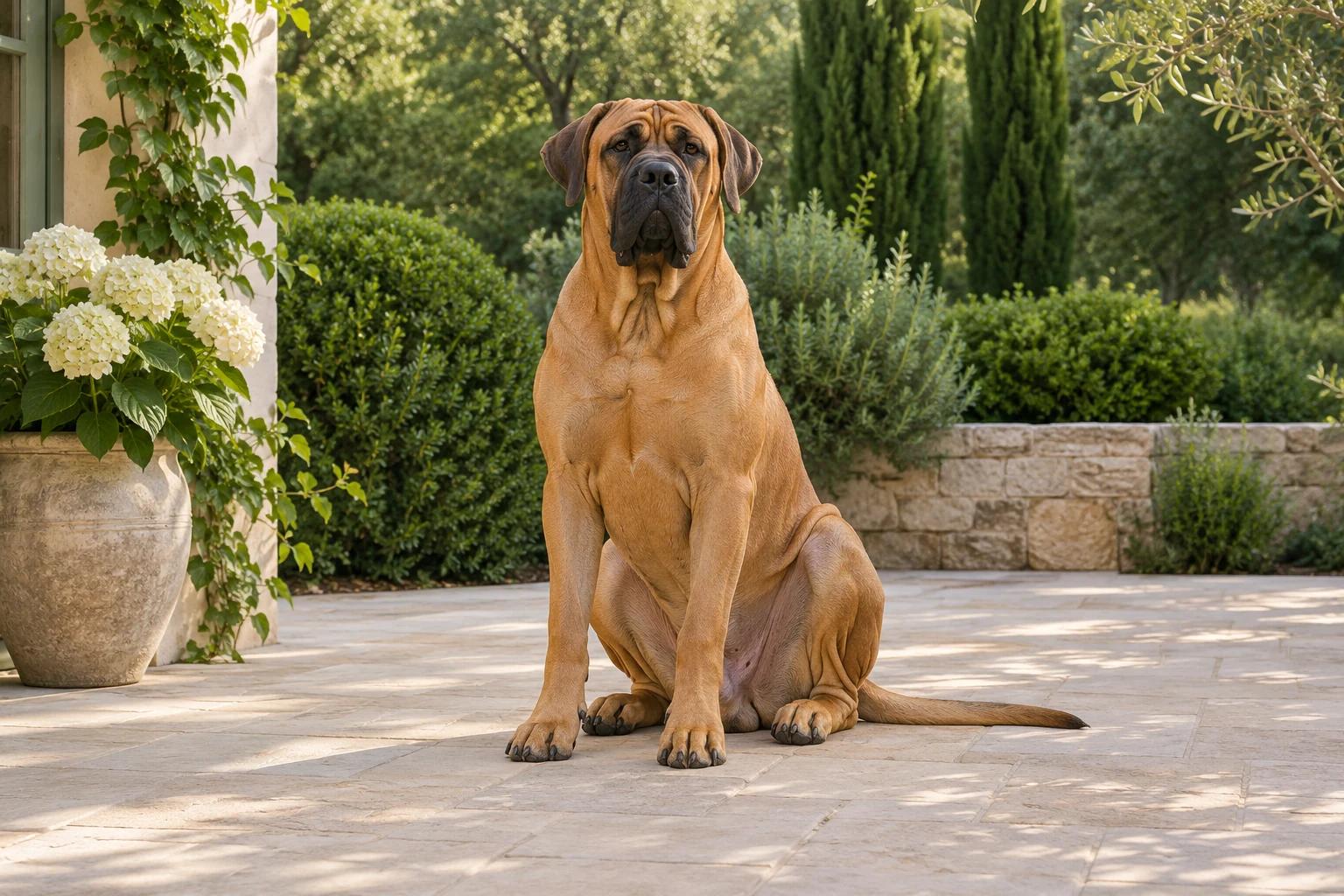
Tosa grooming concerns a short, smooth-coated dog with a substantial adult body. The current Tosa profile lists light shedding and low grooming effort, alongside an adult weight range of 100–200 pounds. Those details belong together: the coat is relatively uncomplicated, but caring for the individual still involves a great deal more dog than a small short-coated companion.
Tosa grooming tools should suit the coat
The Royal Kennel Club distinguishes light grooming for short coats from the more intensive combing associated with longer coats. Its short-coat examples include soft brushes and finishing cloths, while heavier-shedding short coats may need different equipment. Royal Kennel Club: grooming tools and help.
For Tosa coat care, that distinction is more useful than buying a large collection of tools intended for every possible coat. The size of the dog does not by itself establish a need for the most aggressive brush on the shelf.
Ask a competent groomer to demonstrate what works on your own dog's coat if you are uncertain. A demonstration lets you see the appropriate contact and movement instead of guessing from a package illustration.
Professional help can also be educational rather than a commitment to a particular haircut or fixed appointment schedule. The point is to learn what the actual coat needs. Do not copy a technique intended for a long-coated or wire-coated breed merely because its equipment looks more substantial than a simple short-coat tool.
Bathing is a separate decision from brushing
Animal Trust's veterinary guidance makes bathing dependent on the dog's coat, condition and dirt rather than a universal calendar. A small dirty area may need only wiping or rinsing instead of a complete bath. Animal Trust: dog grooming.
That distinction is useful with a Tosa after an outing: muddy feet do not automatically mean the entire body needs shampooing. Look at where the dirt actually is before deciding how much washing is necessary.
When a bath is needed, the guidance recommends lukewarm water, a shampoo made for dogs, thorough rinsing and gentle drying. Persistent itching, redness or unusual odor calls for veterinary advice rather than repeated washing or experimentation with products.
The same guide recommends checking nails, including dewclaws, and asking the veterinary team for a demonstration before attempting trimming. Walking does not settle every nail-care need. Keep a coat-cleaning task distinct from a nail problem: completing a bath does not tell you whether the feet need professional attention, and a short coat does not make every other aspect of care automatic.
Teach the grooming encounter, not just the brush stroke
The Scottish SPCA advises letting dogs investigate grooming tools before using them, introducing gentle strokes and pairing the experience with rewards. If the dog appears uneasy, stop and try again at an easier stage rather than pushing through. Scottish SPCA: grooming introductions.
When learning how to groom a Tosa, pay attention to the dog's response to the tool as well as to your hand. A dog comfortable with ordinary petting may still find a new brush unfamiliar. Showing the brush is a different experience from immediately moving it along the body.
Build the duration gradually. A brief comfortable encounter gives you a foundation for the next one; finishing every part of the coat despite increasing unease may make the next encounter harder.
If discomfort persists, seek qualified behavioral help, and involve your veterinarian when pain could be contributing. This is not an invitation to restrain a reluctant dog more tightly. The task is to establish workable cooperation, with professional assistance when needed, rather than treating the end of the grooming session as a contest that the handler must win.
Prepare for dental care without forcing the mouth open
Animal Trust's separate dental guidance recommends gradual introduction of mouth handling, pet toothpaste and a soft suitable toothbrush. It starts with comfortable contact around the face and lips, then introduces the taste and brushing sensation in stages. Animal Trust: dental care at home.
For a Tosa, do not confuse an impressive head with a reason to force access to the mouth. Start with the parts the dog comfortably permits, and obtain a veterinary demonstration if you are unsure how to proceed.
The guidance begins brushing on accessible outside surfaces, without forcing the mouth open, and expands gradually. Stop when the dog becomes uncomfortable. Painful or inflamed gums need veterinary assessment before brushing is attempted.
Home dental care is not a substitute for examination or treatment. Avoid trying to scrape tartar away yourself, and ask your veterinary team about suitable care for the individual. This section concerns preparation and cooperation, not a home treatment plan or a promise that a routine will prevent every dental problem.
Interpret the Tosa's coat commitment accurately
Tosa shedding is listed as light on the current profile, not absent. Its short coat also lacks the long feathering or hanging furnishings that dominate the appearance of many heavily coated breeds. Someone choosing primarily on coat length should still account for the dog's overall scale and temperament.
The current entry emphasizes watchfulness and patient introductions to unfamiliar people. A prospective professional groomer is also an unfamiliar person until the dog knows them; low coat-maintenance requirements do not establish how that individual will respond in a new setting.
Nor does the broad weight range describe one standard-sized adult. A 100-pound Tosa and a 200-pound Tosa represent very different amounts of dog, even though both fall within the current profile's range. Consider the actual adult rather than picturing only the smallest endpoint. The dog match quiz puts coat care beside other commitments, while the separate Tosa height article explains that measurement topic.
FAQ
Does a Tosa shed no hair?
No. The current profile describes light shedding, not a coat that never releases hair. Short coat length and shedding amount are separate characteristics.
Is the Tosa a small dog with easy grooming?
No. The current adult weight range is 100–200 pounds. Relatively low coat effort does not change the substantial physical scale of the animal.
Does the coat rating predict friendliness toward a groomer?
No. The current profile distinguishes low grooming effort from its preference for patient introductions to unfamiliar people. Coat maintenance and an individual dog's social response answer different questions.
Sources behind this article
- Royal Kennel Club: grooming tools and help ↗
- Animal Trust: dog grooming ↗
- Scottish SPCA: grooming introductions ↗
- Animal Trust: dental care at home ↗
Article source checked: November 16, 2026. Source checked 2026-11-16
Keep reading

Affenpinscher Grooming: A Practical Coat-Care Routine
Read article →