Tornjak Grooming: Double-Coat Care and Shedding
Plan Tornjak grooming around the double coat, loose undercoat, friction areas, suitable tools and comfortable professional handling.
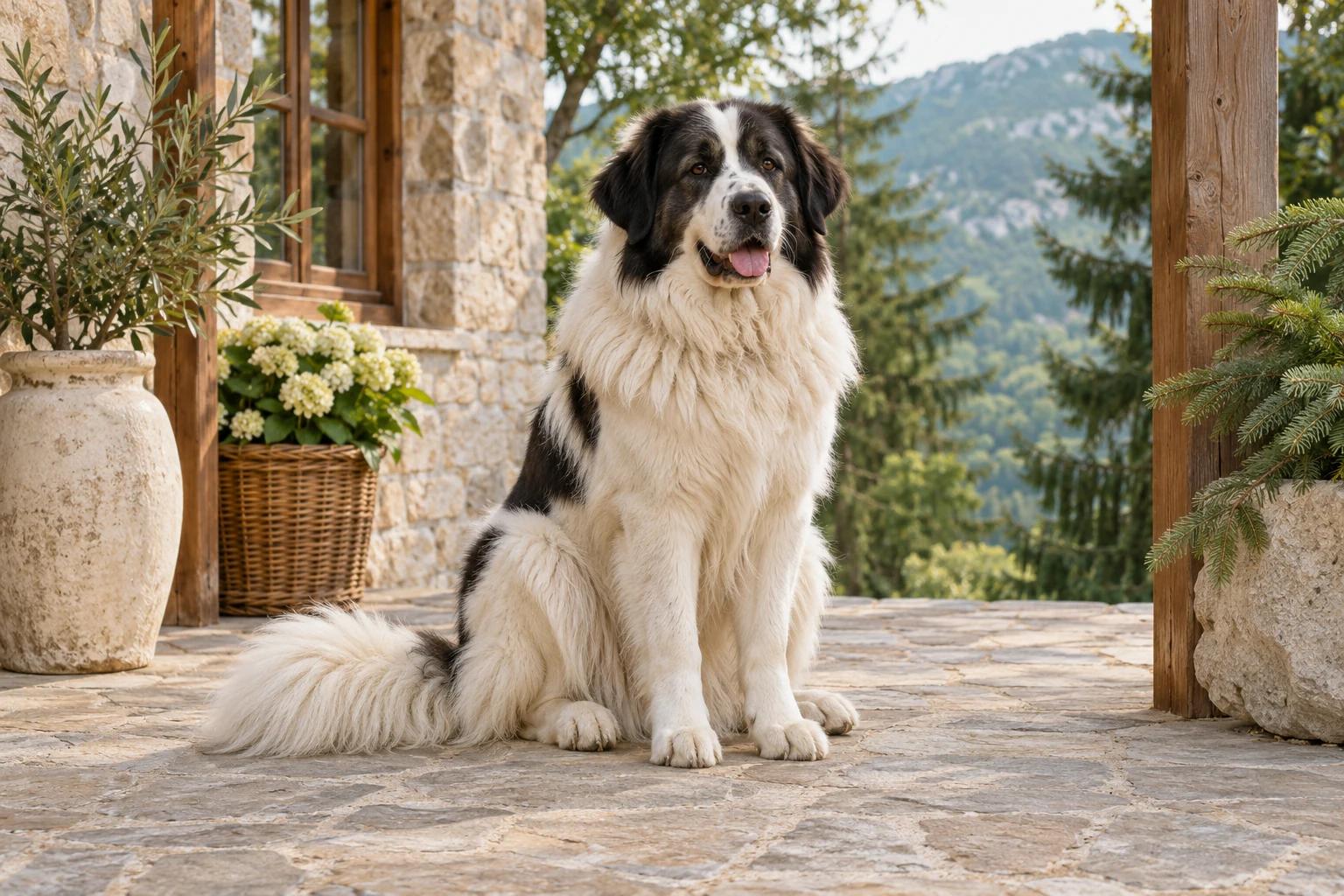
Tornjak grooming should account for the difference between how often a coat needs attention and how much hair a dog releases. The current Tornjak profile describes a double coat, relatively low grooming frequency and substantial shedding. Those facts can coexist. A coat that does not require elaborate styling is not necessarily one that leaves little hair behind, and a quick glance at its surface does not answer every question about its condition.
Tornjak grooming works with two coat layers
The Tornjak Club of North America distinguishes a longer, coarser outer layer from a softer, thicker undercoat. Its care guidance recommends regular brushing and identifies a slicker or undercoat rake as possible tools for removing loose hair. Tornjak Club of North America: grooming.
The club also describes increased shedding during seasonal coat changes, when brushing may need to become more frequent. That does not mean hair is present only during those periods. It means the routine may have to respond to a changing coat rather than remaining identical throughout the year.
For Tornjak coat care, the useful distinction is between maintaining the outside appearance and dealing with loose material within the coat. Ask an experienced groomer to demonstrate the appropriate tool on your own dog, rather than assuming the most aggressive-looking implement will work best.
The club advises against routine shaving of a double coat, while allowing for medical necessity. Decisions involving a skin problem or a badly compromised coat belong with suitable professionals. A wish to reduce household hair is not the same question as a veterinarian identifying a medical need.
Pay attention where friction occurs
USDA's coat-care guidance identifies the collar area, behind the ears and the armpits as common places for mats because of rubbing. It explains that tangled coat can trap debris and conceal skin problems, so prevention matters beyond appearance. USDA: preventing matted hair.
For a Tornjak, do not let the large, visible body surface become the only place you inspect. A coat can look presentable from across the room while a smaller area is beginning to compact. Check the less obvious contact points as part of ordinary care.
A mat is not simply harmless fluff that happens to look untidy. If you cannot separate the hair comfortably, get help rather than pulling harder. The USDA document warns that scissors can cut skin and that clippers can become hot; these are reasons to leave difficult removal to a competent professional.
The goal is to identify change before it becomes a painful grooming project. An area that feels different from the surrounding coat deserves attention even if the rest of the dog still looks clean and impressive.
Match the tool to the job
AKC's discussion of grooming challenges distinguishes tools for different coats and identifies undercoat-removal tools as useful during heavier shedding. It also makes clear that a surface wipe does not replace brushing a denser coat. AKC: grooming challenges.
For a double-coated Tornjak, that distinction helps explain why one quick finishing action may not complete the job. Removing visible dirt from the outside and removing loose undercoat are different tasks. Decide what you are trying to achieve before choosing the tool.
The article also treats nails as part of grooming rather than an unrelated cosmetic detail. Overlong nails can affect normal stance and movement. If the nails are already difficult to manage, seek help from a veterinarian or experienced groomer rather than attempting a dramatic correction in one sitting.
A useful demonstration should show both the tool and the amount of work being done. Watching how an experienced person uses it is more informative than buying a similar object and guessing at pressure, reach or technique. The aim is effective care that the dog can tolerate, not maximum hair removal at any cost.
Drying and handling deserve equal attention
The Canine and Feline Sector Group's grooming guidelines emphasize non-slip working surfaces, attention to the individual's tolerance and supervision throughout drying. Dryer distance, air temperature and duration all require consideration. CFSG: Guidelines for Dog and Cat Groomers.
The guidance recommends adapting the process when an animal becomes fearful, frustrated or stressed, including breaks where appropriate. Completing every planned step is not more important than the dog's welfare. A professional should be able to explain how the process changes when the individual is not coping.
Drying should never become an unattended waiting period. Ask how the dog will be observed and how the equipment will be used. With a substantial coat, it is especially important to think about the whole experience rather than judging the service only by the final photograph.
Fit the routine to the actual Tornjak
The current adult weight references are 62–88 pounds for females and 77–110 pounds for males. That scale matters when deciding where grooming can happen comfortably. The dog needs usable space, and the person needs access without relying on repeatedly lifting an adult that may be difficult to move safely.
The profile also advises particular care when considering interactions with other dogs. A busy shared grooming environment is therefore something to discuss for the individual, not an automatic fit because several dogs happen to be booked at the same time. Tell the groomer what is known about this Tornjak's social experience.
Tornjak shedding is a separate ownership consideration from the finished appearance. The current profile places loose hair toward the higher end of its scale. Someone who wants a consistently hair-free home should take that commitment seriously before choosing the breed, rather than assuming a regular appointment makes shedding disappear.
When learning how to groom a Tornjak, include the rest of routine care too. The current page explicitly mentions nails, ears, skin and teeth rather than treating the coat as the entire dog. Agree which tasks you can perform confidently and which need professional help. The dog match quiz can help weigh the broader commitment, while the Tornjak recovery article explores a different part of the breed's story.
FAQ
Does a low grooming-frequency rating mean little shedding?
No. The current Tornjak profile lists relatively low grooming frequency but substantial shedding. These describe different parts of ownership and should not be treated as interchangeable measures.
How large an adult might need grooming space?
The current references are 62–88 pounds for females and 77–110 pounds for males. Use the actual dog's dimensions when arranging a comfortable working area rather than planning around its puppy size.
Is coat care the only routine maintenance to consider?
No. The current profile also calls attention to nails, ears, skin and teeth. Grooming decisions should fit the whole animal and its existing care needs, not just the visible coat.
Sources behind this article
- Tornjak Club of North America: grooming ↗
- USDA: preventing matted hair ↗
- AKC: grooming challenges ↗
- CFSG: Guidelines for Dog and Cat Groomers ↗
Article source checked: November 16, 2026. Source checked 2026-11-16
Keep reading

Affenpinscher Grooming: A Practical Coat-Care Routine
Read article →