Teddy Roosevelt Terrier vs Boston Terrier: Daily Life
Compare Teddy Roosevelt Terrier and Boston Terrier size, body shape, social style, coat care and everyday activity before choosing a companion.
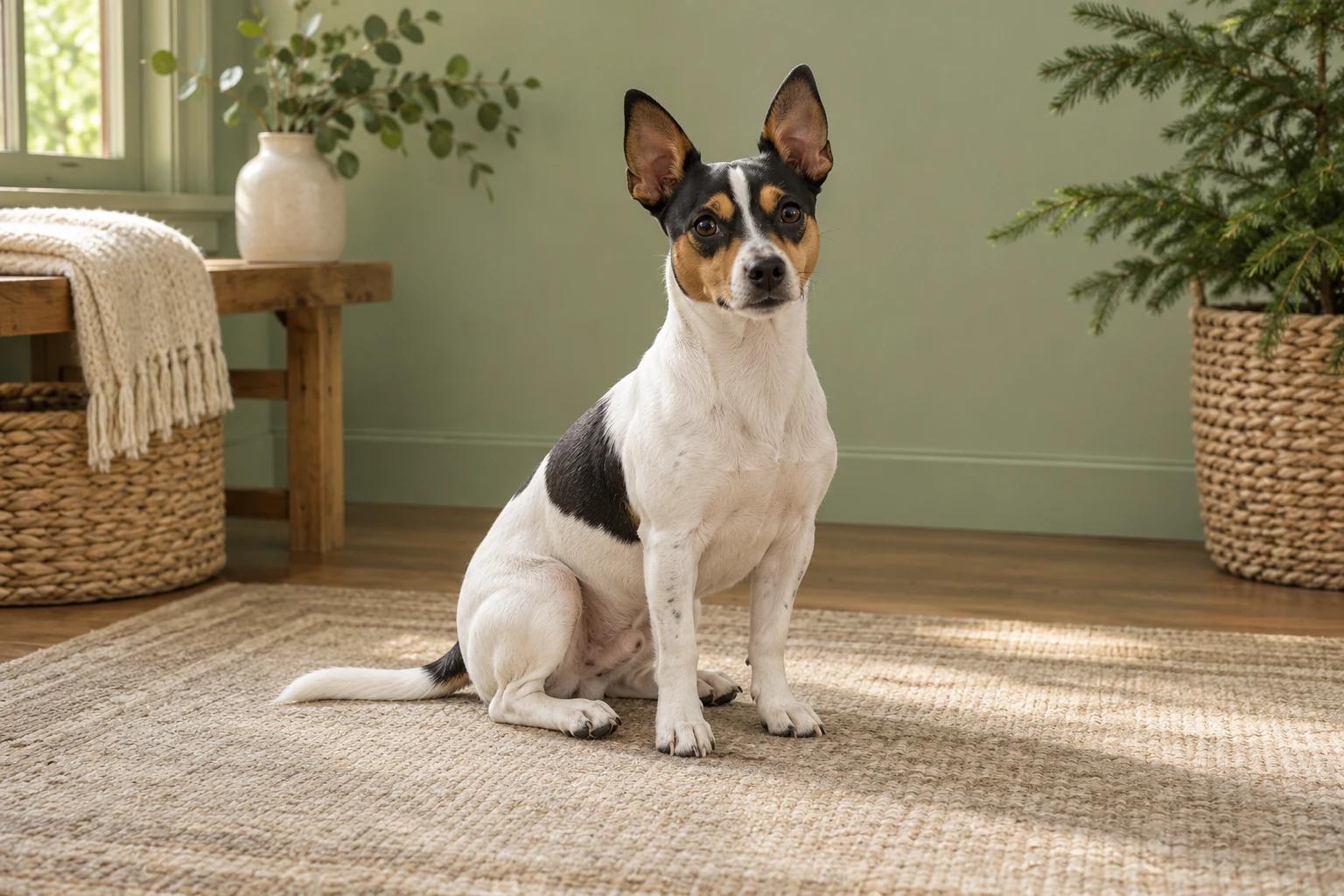
Explore the
Teddy Roosevelt Terrier
Background, care, and everyday considerations.
View breed profile →Teddy Roosevelt Terrier vs Boston Terrier is a comparison between two small American breeds, not two versions of the same pet. The Teddy Roosevelt Terrier profile lists adults at 8–25 pounds, with the same range for females and males. The Boston Terrier profile lists 12–25 pounds for both sexes. Weight overlaps substantially, so choosing by the word “small” alone misses the differences that matter when sharing a home.
Teddy Roosevelt Terrier vs Boston Terrier: start with body proportions
The Teddy's standard describes a rectangular, low-set working terrier, with substantial bone and muscle. Its approximate height-to-length proportion is seven to ten. The chest extends a little below the elbows, while the lower foreleg forms roughly a third of total shoulder height. These details explain the breed's distinctive outline more clearly than a weight label. AKC: Teddy Roosevelt Terrier standard.
The head also has a particular balance: skull and muzzle are approximately equal in length when viewed from the side. Ear carriage can be upright, partly upright, tipped or button. One photographed dog therefore does not represent every permitted ear presentation.
When looking at a Teddy, notice the whole body rather than expecting long legs to indicate athletic potential. The standard calls for effective, ground-covering movement, not an exaggeratedly heavy or awkward dog. Watch an adult walking naturally from the side and toward you. This is an opportunity to understand its outline, not to diagnose soundness or turn a companion visit into a show-ring examination.
The Boston has a different outline and expression
The Boston standard calls for a square overall appearance, with leg length balancing the shorter body. Its skull is square and flat on top; the muzzle is short, broad and square rather than a long tapering shape. Large, round eyes and small upright ears contribute to its recognizable expression. AKC: Boston Terrier standard.
Its back should be short enough to complete that balanced outline, with a deep chest and strong limbs. The tail is naturally short, set low, and may be straight or screw-shaped. None of these features establishes the temperament of the particular dog standing in front of you.
The coat standard describes fine, smooth hair and a defined relationship between colored areas and white markings. Seal can look black until brighter light reveals a reddish cast. That is an appearance detail, not a reason to pay more or expect different behavior. In a Boston Terrier vs Teddy Roosevelt Terrier comparison, look beyond a shared black-and-white photograph: body proportions and facial structure tell a much more informative story than a similar color arrangement.
A Teddy's interests can move between soil and sofa
The American Teddy Roosevelt Terrier Club describes dogs interested in squirrels, underground quarry and digging, alongside companions that enjoy curling up with their people or burrowing into blankets. Its account also describes participation in activities such as agility and Barn Hunt. American Teddy Roosevelt Terrier Club: more about Teddies.
This combination helps explain why a comfortable evening beside someone does not cancel the dog's outdoor interests. A garden is not merely extra floor space for this terrier: the ground itself can be interesting. Ask what an adult actually does outside, particularly whether it searches along boundaries or becomes absorbed in digging. A spotless lawn should not be the assumption behind choosing this companion.
Likewise, an affectionate dog need not be interested only in being carried or cuddled. Participation can mean investigating and moving with its owner, then resting nearby afterward. Discuss the individual dog's favorite activities with someone who knows it well. The club's lively description is a starting point for understanding those interests, not a promise that every Teddy switches instantly from excitement to quietness on request.
Boston exercise needs respect the individual dog's breathing
VCA notes that the Boston's airway structure can limit tolerance for intense exertion, especially in warm conditions. A playful personality is not a reliable measure of physical endurance. Have a veterinarian advise on activity appropriate to the individual rather than using enthusiasm as permission to keep going. VCA: Boston Terrier.
For a prospective owner, this changes the meaning of “active companion.” Think about outings that can be shortened and play that does not depend on prolonged intensity. Do not choose a Boston on the assumption that a small dog can accompany every strenuous activity simply because it wants to follow you.
VCA also highlights routine attention around the eyes and face, alongside nail, ear and dental care. Short hair does not remove those responsibilities. Ask the veterinary team to demonstrate appropriate care for that dog's face rather than copying a technique from another breed. These are practical points to explore before choosing, not a diagnosis: individual dogs differ, and a breed description cannot tell you how a particular companion breathes or what care it needs.
Compare the everyday social style
The current profiles point to a meaningful contrast around unfamiliar people. The Teddy profile describes patient introductions, while the Boston profile describes a more sociable tendency. If you picture a dog accompanying you through frequent visitor-filled days, this distinction deserves attention. Neither profile promises that the dog will welcome every person or enjoy being touched by strangers.
The difference between Teddy Roosevelt Terrier and Boston Terrier also includes coat upkeep. Both have short, smooth coats, but the current shedding reference is higher for the Teddy. Choosing a Teddy Roosevelt Terrier or Boston Terrier does not remove loose hair from the household; it changes the likely amount and the individual routine. Their current height references are 8–14 inches for the Teddy and 10–12 inches for the Boston.
Use the dog quiz to consider your preferences, then meet individual dogs. The separate Teddy Roosevelt Terrier naming article covers the historical name; everyday suitability needs its own assessment.
Frequently asked questions
Is a Teddy Roosevelt Terrier always smaller than a Boston Terrier?
No. Current adult ranges are 8–25 pounds for Teddies and 12–25 pounds for Bostons, with the same ranges listed for males and females within each breed. An individual Teddy can outweigh an individual Boston.
Which breed is more open to unfamiliar people?
The current profiles describe the Boston as more sociable with new people and the Teddy as needing patient introductions. These are tendencies, not permission to insist on greetings or a prediction about a particular dog.
Which breed sheds less?
The current shedding reference is lower for the Boston. Both breeds still shed, and coat care remains part of ownership. Neither short hair nor a lower shedding reference guarantees suitability for someone with allergies.
Sources behind this article
- AKC: Teddy Roosevelt Terrier standard ↗
- AKC: Boston Terrier standard ↗
- American Teddy Roosevelt Terrier Club: more about Teddies ↗
- VCA: Boston Terrier ↗
Article source checked: November 16, 2026. Source checked 2026-11-16
Keep reading

Affenpinscher vs Brussels Griffon: Everyday Differences
Read article →